Silves: A Market Guide to the Real Algarve
Silves is where the Algarve's hills meet its coast, and its spring markets are the best proof. From leaf-on oranges to artisanal medronho brandy, a guide for anyone who wants to eat and shop like a local.
Silves has a branding problem. Most visitors drive up to the red sandstone castle, snap a photo of the Moorish walls, and head straight back to the beach. This is a mistake. Because if there's one thing this former Moorish capital does better than almost any other town in the Algarve, it's food. Specifically, growing it, making it, and selling it at markets where the person behind the stall is usually the same person who picked it that morning.
The local produce markets in Silves aren't tourist constructions designed to sell cork handbags. They're places where farmers from the Algarve hills unload crates of oranges still wearing their leaves, where elderly women sell homemade fig jam from unmarked jars, and where you can buy a bottle of carob honey that you won't find in any supermarket in the country. If you want to understand what the Algarve looks like away from the coast, start here.
The Municipal Market: Small, Honest, Worth It
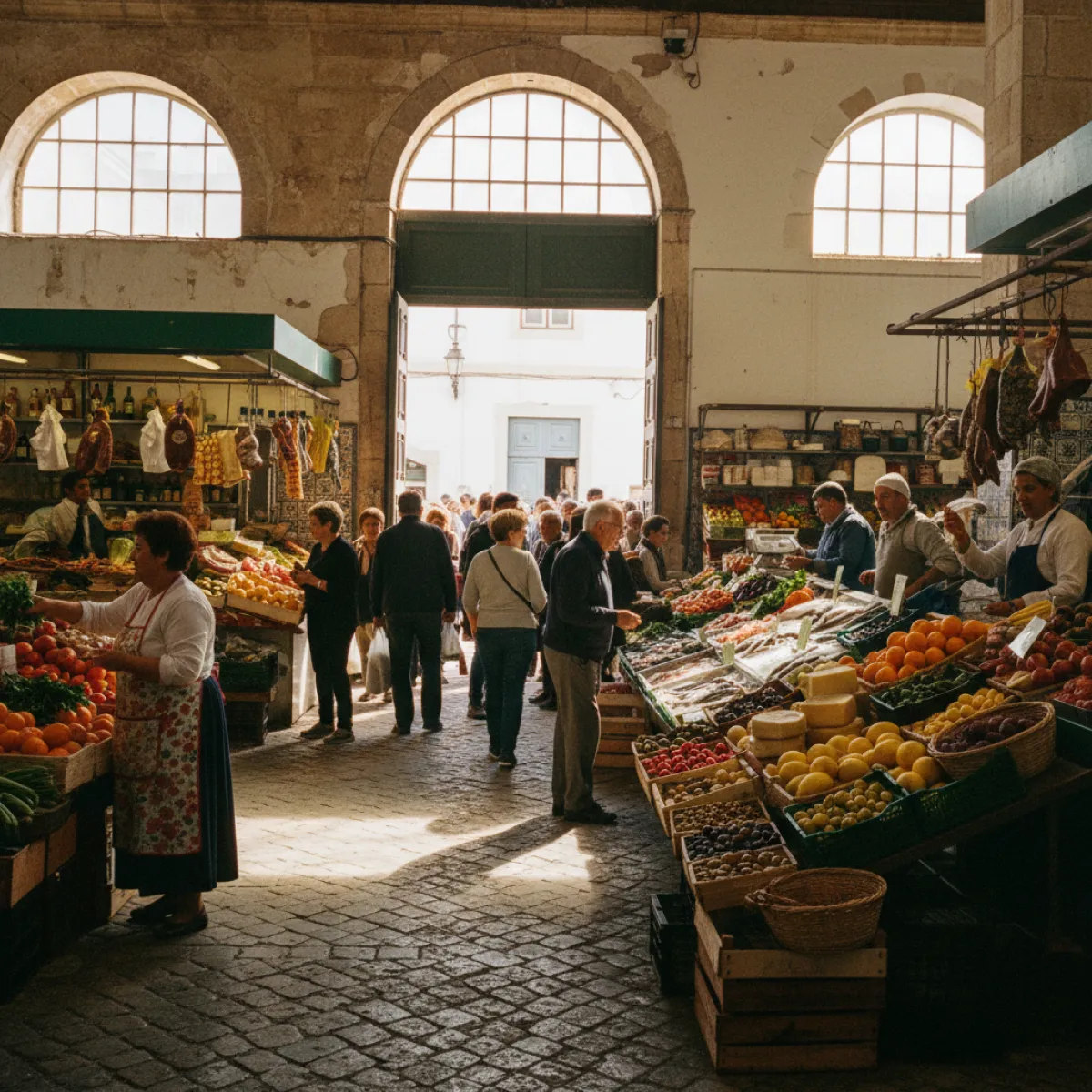
The Mercado Municipal de Silves is small. Don't expect the scale of Lisbon's Mercado da Ribeira or the polished renovation of Loulé's market. It's a functional building with no pretensions, where stallholders know the name of everything they sell, because they grew it, or their neighbour did. That's precisely why it's worth your time.
Saturday mornings are when the market comes alive. Local producers bring whatever the week yielded, and in spring that means bundles of fresh herbs (thyme, oregano, mint that perfumes the entire hall), seasonal vegetables like broad beans and peas, and the fruit that defines this region: Algarve oranges, loquats as the heat builds, and the first strawberries. Buy the oranges. They're absurdly good, sweet, juicy, and priced at a fraction of what organic markets charge in Lisbon.
For preserved goods, look for local honey. The Algarve hills produce exceptional honey, particularly the carob blossom and spring wildflower varieties. You'll also find artisanal goat cheese, fresher and milder than the Alentejo versions, and perfect with a drizzle of honey on top.
Spring Fairs: The Calendar That Matters
Spring is the best season for markets in the Algarve. The heat hasn't yet reached the point where any outdoor activity becomes an ordeal, the fruit trees are in bloom, and there's a succession of seasonal fairs worth tracking.
Silves hosts themed fairs throughout the year, with the Orange Fair being the standout, a celebration of the region's most iconic citrus fruit. Silves oranges have their own designation and a history stretching back to Moorish times. It was the Moors who turned this area into one vast orchard, and eight centuries later, orange groves still dominate the landscape between Silves and São Bartolomeu de Messines. At the fair, expect freshly squeezed juice, orange liqueurs, jams, cakes, and creative variations from orange chocolate to artisanal gin infused with citrus peel.
Outside the fixed calendar, keep an eye out for producer markets that pop up with some regularity in the historic centre, particularly along the banks of the Arade River. These are smaller, more informal, and frequently more interesting, this is where you'll find the farmer selling homemade medronho brandy, or the woman with wood-fired carob bread.
Medronho: Take This Seriously
Don't leave an Algarve fair without trying aguardente de medronho. It's the Algarve's signature spirit, distilled from the fruit of the strawberry tree, and the gap between artisanal medronho and the supermarket stuff is vast. Good medronho is smooth, fruity, with a finish that warms without burning. Bad medronho could fuel a jet engine. At markets, always ask to taste before buying, any serious vendor will offer a sample. Expect to pay between €15 and €25 for a bottle of small-batch production.
Eating in Silves: Before and After the Market
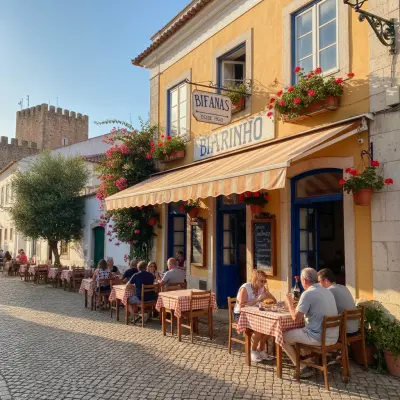
A market morning demands a proper meal. And in Silves, the recommendation is simple: stop by Bifanas do Marinho. The bifana is one of Portugal's great street food classics, pork marinated in pimentão paste, served in a bread roll that soaks up the sauce, and when it's done right, it's hard to imagine anything more satisfying after a morning of browsing market stalls. Don't overthink it. Order the bifana, order the beer, sit down.
For something more substantial, Silves has restaurants that do good work with river fish and traditional hill country cooking. Look for dishes like conquilhas cataplana (clams, when in season), wild boar stew in the cooler months, or simply a well-made piri-piri chicken, which in the Algarve is elevated to an art form.
The Hills Behind the City
What makes Silves markets special is geography. The town sits at the meeting point between the coast and the Algarve hills, which means it draws produce from two worlds: fish and shellfish from the shore, fruit and meat from the serra. This dual identity shows up on the stalls, you can buy fresh clams and black pork sausages on the same morning, at the same market.
If the markets spark your appetite for the hills, the road between Silves and Monchique is one of the most beautiful drives in the Algarve, lined with cork oaks and eucalyptus, with possible stops in small villages where things move at a different pace. But that's another article.
Practical Tips
The Municipal Market operates mornings, arrive before 11am for the best selection, and before 9am on Saturdays if you want to catch everything. Seasonal fairs have variable dates; check the Silves municipal council website or local tourist offices for exact schedules. Don't rely on outdated blog posts.
Getting to Silves is easiest by car. It's about 50 minutes from Faro via the A22, and under 20 minutes from Portimão. There is a train, the Algarve line stops at Silves, but schedules are limited and the station sits at the bottom of the hill, a walk from the centre. If you take the train, prepare your legs for the climb up to the castle.
Parking in the centre can be tricky on fair days, especially near the castle. Park by the river and walk up, it's five minutes and the view makes it worthwhile.
Exploring More of the Algarve
Silves is an excellent starting point for discovering the Algarve that exists beyond the beach. If you want to understand the region's traditions, our guide to local culture in Faro pairs well with what you'll find in Silves, Faro has its own cultural rhythm worth exploring. For those heading to the coast, our Lagos neighbourhood guide helps navigate a town that can easily eat up two or three days. And if Albufeira is on the itinerary (no judgement), it's worth reading about Albufeira's local culture and traditions that survive beyond the tourist strip.
But keep coming back to Silves. Come in spring when the orange trees are blooming and the air smells of orange blossom. Come in autumn when the medronho fruit ripens and the stalls overflow with pomegranates and persimmons. It's a town that rewards anyone who shows up hungry and unhurried.