Porto Beaches: How to Find the Atlantic Without the Crowds
Forget the Matosinhos crowds. From the mystical chapel of Senhor da Pedra to Siza Vieira’s architectural pools in Leça, here is how to survive the Nortada wind and find the freshest fish on the northern coast.
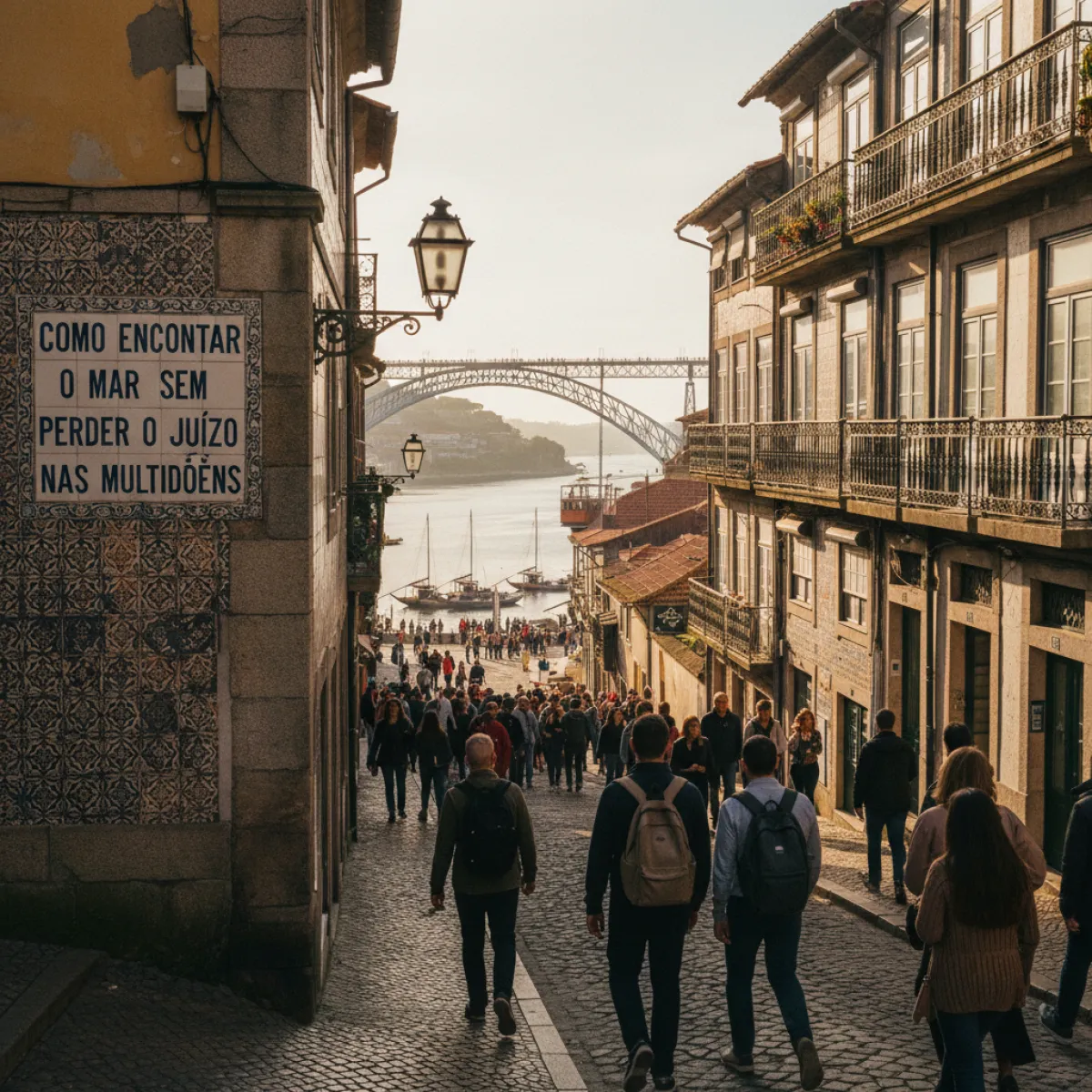
The Atlantic Misconception: Porto and the Illusion of a Beach City
Porto has a complicated relationship with the ocean. It is fundamentally a river city that, through geographical quirk and tourist insistence, feels obligated to pretend the sea is its backyard. But the Atlantic here isn't the Mediterranean. It’s raw, cold, and frequently accompanied by the Nortada, that north wind that bites your face and turns any attempt at reading on the sand into an involuntary session of facial exfoliation. If you come expecting calm waters and tropical heat, you’re in the wrong place. If you come for oxygen, grilled fish that actually tastes of the sea, and a horizon that feels like the end of the world, then welcome to Foz.
The classic visitor mistake is to hop off the bus in front of the Edifício Transparente and assume Matosinhos is the only option. Wrong. Matosinhos is great for learning to surf and eating sardines, but if you want to avoid the feeling of being at a rock concert in a swimsuit, you need a strategy. After navigating the narrow streets and dense monuments on a Porto Historic Centre Walking Tour with Living Tours, your lungs will be screaming for salt air. This is where planning comes in.
Foz: Between Elegance and Sea Fog
Foz do Douro is where Porto’s old money retired to watch the sunset. It starts at the Farol de Felgueiras (Felgueiras Lighthouse), where waves regularly crash over the pier with photogenic violence. Ignore the terraces closest to Passeio Alegre; they are traps for those too lazy to walk. Head towards Praia do Carneiro. It’s the first beach, the rockiest, and ironically, one of the most interesting for those who prefer watching the sea rather than diving into it (which, given the water temperature, is a sensible decision).
If you want to avoid the crowds, timing is everything. Arrive at 8:30 AM. By 11:00 AM, when the families from Massarelos and the tourists start setting up their umbrella camps, you should already be seated at Tavi, a historic pastry shop on Rua da Senhora da Luz, eating a 'folhado de chila'. A breakfast with a sea view is mandatory here, but flee if you see a queue of more than five people; Porto has too many corners to waste time waiting.
Matosinhos: Where the City Ends and the Fish Begins
Matosinhos Sul is a paradise for surfers and concrete lovers. The beach is massive, which helps dissipate the crowd, but its proximity to the Leixões port robs it of some romantic charm. Where Matosinhos wins is in its kitchen. Head to Rua Heróis de França. It’s a street where the smoke from charcoal grills forms a permanent haze that smells of sea salt and fish fat.
Local tip: ignore the restaurants with staff calling you at the door with plastic-coated menus. Look for the place where men in blue aprons are flipping fish with mechanical speed. Order the sardines (if in season, between June and August) or a grilled sea bass. The price should be around €15 to €20 per person with house wine. It’s rustic, it’s loud, and it’s authentic Porto.
The Escape North: Leça da Palmeira
If Matosinhos is unbearable, cross the mobile bridge. Leça da Palmeira is the poorly kept secret of those who live here. It features the Piscina das Marés, designed by Álvaro Siza Vieira. It’s a masterpiece of architecture integrated into the rocks, where seawater is filtered into a concrete pool that seems to emerge from the ocean. It costs about €6 to €8 to enter (check seasonal prices locally), but go early. The capacity limit is strict, and it’s the best way to be "in the sea" without getting sand in your eyes.
For lunch in Leça, 'O Valentim' is an institution, but prepare your wallet. If you prefer something more low-cost, any snack bar on the waterfront serves a decent 'prego no pão' (steak sandwich) for €4. The view is the same, and so is the wind.
Miramar: Senhor da Pedra and Southern Solitude
To find true peace, you have to leave Porto city limits. Take the urban train at São Bento Station towards Aveiro and get off at Miramar. It’s a 15-minute journey that costs little more than €2. Here, the population density per square meter of sand drops drastically.
The main attraction is the Capela do Senhor da Pedra, a chapel perched on a rock right on the sand. It’s one of the most mystical spots on the northern coast. On Tuesday mornings, you can have the beach almost entirely to yourself. It’s the ideal spot for anyone who wants to write, think, or simply ignore that the rest of the world exists. If the Nortada blows too hard, and it will, take refuge in one of the waterfront cafes and order a 'torrada' (thick-cut buttered toast), a classic of northern summers.
When the Sea Doesn't Cooperate: Strategic Alternatives
There are days when the afternoon fog (the famous "capacete") decides to park on the coast and won't budge. On those days, insisting on the beach is an exercise in cold masochism. Retreat to the center. The Jardins do Palácio de Cristal offer a green alternative with a view over the Douro River that rivals any oceanic sunset. It’s free, features peacocks that think they own the place, and stone benches where the wind doesn't reach with such force.
If the weather is truly miserable, it might be time to abandon the coast altogether for a day. Check out the Best Day Trips from Porto to realize that, less than an hour away by train, you can trade salt for granite history. You might opt for A Guide to Braga: Portugal's Quietly Radical Northern City if you prefer monumental churches and stairways, or dive into the foundation of the nation with A Guide to Guimarães: The City Where Portugal Learned to Be Itself.
Practical Info for Survival
- Transport: Bus 500 is your best friend. It’s a double-decker bus that runs the entire coastline from São Bento to Matosinhos. Sit on the top deck, left side going out, right side coming back. It’s the cheapest tour in the city (about €2 with an Andante card).
- The Weather: Never trust the morning sun. Always bring a windbreaker. The temperature in Porto center can be 25°C, but in Foz, it can drop to 18°C in minutes due to coastal fog.
- Timing: In Portugal, the beach is a family sport from 10:00 AM to 1:00 PM and 4:00 PM to 7:00 PM. If you want silence, your window is 8:00 AM to 10:00 AM or the late twilight at 9:00 PM in summer.
At the end of the day, the Porto coast isn't about perfect tans; it’s about the contrast between the stone city and the grey-blue mass of water that reminds us we are small. Go to Matosinhos for the fish, to Foz for the light, and to Miramar for the quiet. But please, don't order a sparkling wine sangria with canned fruit. Order a glass of chilled white wine, feel the salt on your lips, and enjoy what Porto does best: its refusal to be an obvious tourist destination.