Porto: A Survival Guide to Authentic Crafts and Souvenirs
Forget the plastic refrigerator magnets. In Porto, real craftsmanship smells like beeswax, sheep's wool, and tar soap. Discover what is actually worth packing in your suitcase.
The Refrigerator Magnet Dilemma
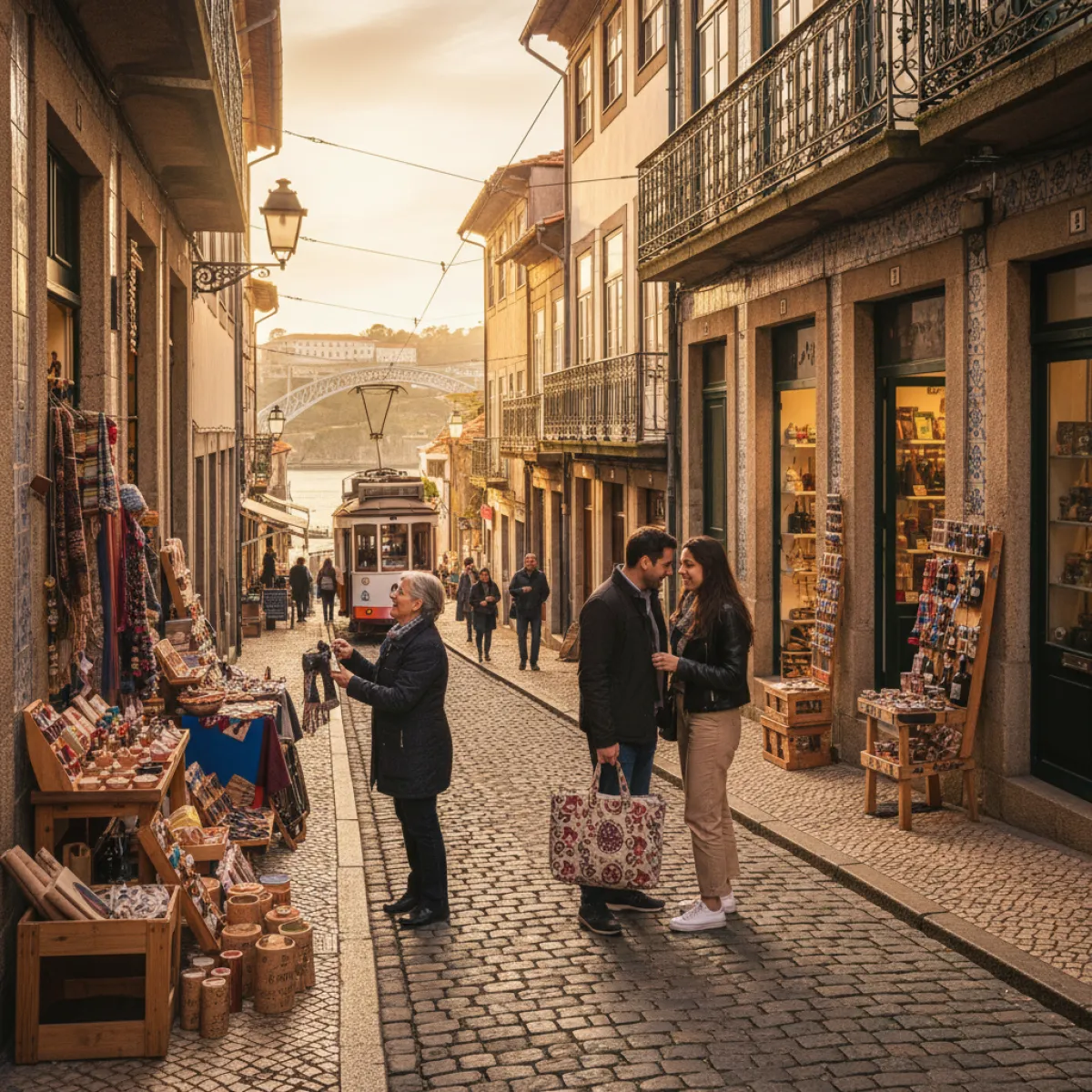
Walking down Rua das Flores in Porto is to subject yourself to a visual bombardment of Made-in-China Barcelos roosters and plastic tiles that have never seen a kiln. If your goal is to take home an object that screams "I was in Portugal" without an ounce of discernment, this article isn't for you. But if, like me, you believe an object should carry the weight of the land where it was born, then we need to talk about what’s actually worth stuffing into your suitcase before you cross the Luís I Bridge for the last time.
Porto isn't a city of subtleties. It’s a city of granite, sweat, and a level of honesty that sometimes borders on bluntness. Local crafts reflect this. Forget the idea that craftsmanship is something frozen in time, guarded by little old ladies in remote villages. In Porto, tradition is being reinterpreted by designers who prefer sandpaper to Photoshop. A good souvenir is one that has functional or aesthetic utility, doesn't fall apart in the first wash, and that ten years from now will still remind you of the smell of coffee and damp stone in the Ribeira.
The Hierarchy of the Object: What to Buy
Soaps with History (and without offensive chemicals)
It might seem like a cliché, but soap is the perfect souvenir: it's light, smells great, and actually gets used. Claus Porto, on Rua das Flores, is the ultimate example of Porto sophistication. It's not just the soap; it’s the packaging design that harkens back to the Belle Époque. If you want something less obvious, look for Castelbel. But the real secret is to visit the old grocery stores in the Baixa (downtown), where you can still find tar soaps or donkey milk soaps that cost a fraction of the price of design stores and do the same job with much more personality.
Ceramics: Beyond Blue and White
Tiles are the skin of Portugal, but taking a tile from a facade is a crime against heritage. Don't do it. Instead, look for artisan ceramics. There are dozens of studios between Rua do Almada and Rua de Miguel Bombarda where clay takes on contemporary forms. If you’re looking for the classic, Vista Alegre is unavoidable, but seek out pieces designed by modern artists. A piece of Bordallo Pinheiro, yes, the famous cabbages or the swallows, is the perfect balance between kitsch and genius. It’s a conversation piece, something people will notice on your dining table in London or New York.
Textiles: Burel and High-Quality Cotton
Portugal makes the best sheets and towels in the world (just ask the French luxury brands where they manufacture). In Porto, look for shops selling Burel blankets. Burel is a highly resistant wool fabric from the Serra da Estrela mountains that has been transformed from a shepherd's cape into a piece of urban design. It’s waterproof, warm, and virtually indestructible. It’s the antithesis of fast fashion.
The Experience Before the Purchase
Buying without context is just consumption. To understand why filigree is so expensive or why Portuguese leather is so soft, you have to walk. Before opening your wallet, I highly recommend taking the Porto Historic Centre Walking Tour with Living Tours. Seeing the facades, understanding the social structure of the city, and feeling the pulse of the neighborhoods helps distinguish what is genuine from what is just marketing for distracted tourists. Living Tours often passes through areas where traditional trade still breathes, and the guides always have an opinion (usually a strong one) on where to eat the best pastel de nata or where to buy the best leather boots.
Where are the Treasures?
Avoid the souvenir shops selling "I love Porto" t-shirts. Instead, lose yourself on Rua do Almada. It's the street of hardware, tools, and now, record stores and concept shops. This is where modern Porto intersects with industrial Porto. Another mandatory stop is A Vida Portuguesa in the Clérigos area. It’s a curated selection of the best the country produces, from Viarco pencils to tinned fish with retro design. Yes, it’s a shop geared toward an aesthetic-loving crowd, but the products are 100% real.
After an intense morning of shopping, my prescription is simple: escape the chaos. Head up to the Jardins do Palácio de Cristal. Take a book, or just your new treasures, and sit looking out over the Douro. It’s the ideal place to process the city. Access is free and, unlike the Ribeira, here the space breathes.
Leaving Porto for Better Shopping
If you have time, use Porto as a base. Some of the best craftsmanship isn't in the city, but in the surrounding areas. Footwear comes from S. João da Madeira, embroidery from Guimarães, black pottery from Bisalhães. To plan these forays, check out the guide on the Best Day Trips from Porto. It’s the difference between buying something from a reseller or going to the source.
Two northern cities are fundamental for anyone serious about Portuguese material culture. First, A Guide to Braga: Portugal's Quietly Radical Northern City shows you where to find religious items transformed into art and a retail scene that refuses to die. Braga has a slower pace of life where quality is still measured by durability. Second, A Guide to Guimarães: The City Where Portugal Learned to Be Itself is essential for those looking for cutlery (Guimarães knives are legendary) and table linens that last generations.
Practical Tips for the Discerning Shopper
- Opening Hours: Street shops in Porto usually close between 1 PM and 2:30 PM for lunch. Don't fight it; go have lunch too. A francesinha at Brasão or a prego at Gazela are cultural investments as valid as a wool blanket.
- Tax Free: If you live outside the EU, always ask for the Tax Free form. On purchases above a certain value, the VAT refund can pay for your next dinner.
- Shipping: Large ceramic pieces are a logistical nightmare. Many prestigious shops, like Vista Alegre or Claus Porto, have reliable international shipping services. It's worth paying the extra to not carry a porcelain tureen on the plane.
- Suitcase Weight: Remember that Port wine is heavy. If you plan to take bottles, leave plenty of space (and weight) in your suitcase. Or, better yet, buy them at the airport after security, but know that the selection will be more limited.
Conclusion: The Value of the Genuine
At the end of the day, the best souvenir is the one that tells a story. Not the story of the shop, but your story in the city. It’s the knife you bought in Guimarães that you now use to slice chorizo for friends; it’s the soap whose scent immediately transports you to a foggy morning in Foz; it’s the Burel blanket that warms you on the sofa while you plan your return. Porto won't ask permission to win you over, and your objects should have that same strength. Buy less, but buy better. The planet will thank you, and so will your home.