Ponta Delgada: Black Sand and Strategies to Avoid the Crowds
Forget the Algarve; in Ponta Delgada, the sand is the color of ash and the sea has a temper. Learn how to master the black sand beaches and volcanic rock corners without tripping over cruise ship excursions.
The Myth of the Azorean Beach
If you landed in Ponta Delgada expecting the endless golden dunes of the Algarve or the tepid, turquoise waters of the Caribbean, here is my advice: get back on the plane. The Azores are not a conventional beach destination, and that is precisely their strength. Here, the coastline is a constant negotiation between unforgiving basalt and a North Atlantic that never apologizes. In Ponta Delgada, the beach is not a static postcard; it is a living, temperamental organism that, for those who don’t know the local codes, can be frustratingly crowded on sunny days.
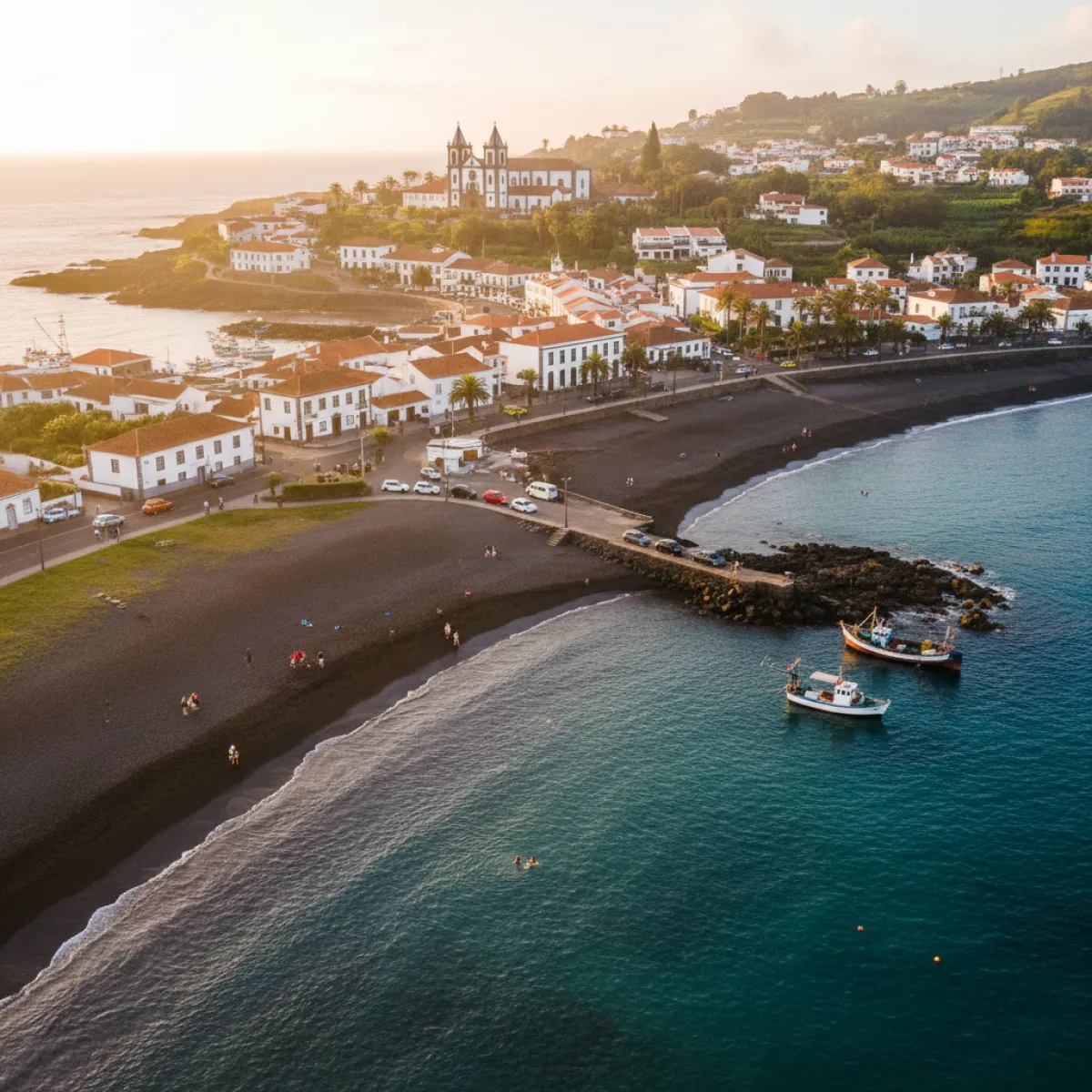
The first thing you must understand about Ponta Delgada's beaches is that the sand is black. Not dark grey, absolute, crushed-basalt black. This sand retains heat in a way that defies human biology. At 2 PM on an August afternoon, crossing Praia das Milícias without flip-flops isn't a walk; it’s a trial by fire. But there is a functional poetry to this harshness. The contrast between the deep, metallic blue of the sea and the charcoal of the shore creates an aesthetic that the rest of Portugal simply cannot replicate.
The Duality of Milícias and Pópulo
The two main protagonists of the southern coast, just minutes from the historic center, are Praia das Milícias and Praia do Pópulo. They are separated by little more than a rocky headland and a difference in attitude. Milícias is the city's living room. This is where Ponta Delgada families set up camp with monumental coolers, where the chatter is constant, and where parking becomes an exercise in Zen patience from 11 AM onwards.
If you want to avoid the human mass, the strategy is simple: the Atlantic belongs to those who wake up early. At 8 AM, Praia das Milícias is a desert of peace. The low sun hitting the water provides the perfect light for a swim that serves as your morning coffee. By 10 AM, when the tour vans and organized groups start arriving, it’s time to retreat. Pópulo, right next door, has a slightly more rebellious profile. It’s the beach for surfers and people who don’t mind sand in their hair. The local café serves a 'Galão' and toast on 'pão sovado' (local sweet bread) that justifies the trip, but the real secret to dodging the chaos is reading the sky. In the Azores, a cloud doesn’t ruin the day; it clears the beach of underprepared tourists, leaving the sea to the locals.
The Off-the-Radar Refuge: Forno da Cal
For those who despise the concept of sand in their clothes, natural pools are the answer. Forno da Cal, in São Roque, is where Ponta Delgada shows its teeth. Forget luxury infrastructure; what matters here is the iron ladder bolted into the volcanic rock and the purity of the water. It’s a transition spot for those who know what they are doing. The sea hits hard, the current is real, and the plunge is invigorating in a way fresh water can never be.
In the late afternoon, the Portas do Mar area offers a more sanitized alternative, but Forno da Cal retains the authenticity of a place where the only sound is the crash of waves against the stone wall. It’s the perfect spot to watch the city skyline while drying off in the sun, far from the Bluetooth speakers that plague the main beaches. If you get hungry after all that salt air, I recommend exploring The Volcanic Plate: A Gastronomic Trek through Ponta Delgada to find the kind of sustenance that goes beyond a standard kiosk burger.
Where to Stay: Close but Remote
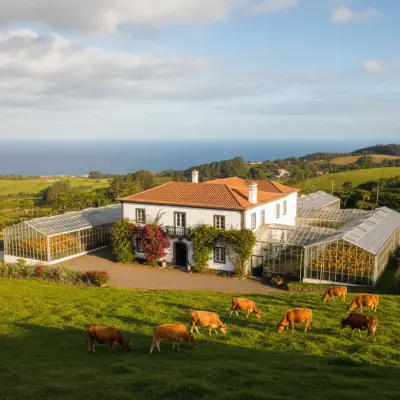
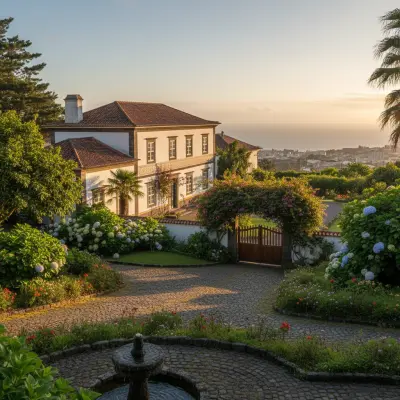
The logistics of seeking the sea in Ponta Delgada benefit from a strategic home base. Staying in the city center is convenient, but staying in a rural tourism unit is smart. Quinta da Abelheira is one of these bastions of sanity. Located on the outskirts, it allows you to reach the coast in five minutes by car, yet offers the silence of a private botanical garden when you return. It’s the ideal place to wash the salt off in a pool surrounded by greenery before planning your dinner.
Another option that avoids the obvious is Herdade do Ananás. Here, the connection to the land is literal. Not only are you a stone's throw from the coast, but you are immersed in the glass greenhouse culture that defines the landscape of Fajã de Baixo. It’s a far more authentic experience than any concrete hotel on the main avenue. And since we’re talking about pineapples, don’t make the mistake of only eating the fruit at breakfast. Look into the Pineapple Greenhouse Gastronomy: The Unique Tradition of Fajã de Baixo to understand how this fruit infiltrates local cuisine in surprising ways, from blood sausage to fish.
The Sea Beyond the Shore
Sometimes, the best way to enjoy Ponta Delgada’s coast is to leave dry land behind. When the beaches are too crowded or the heat of the black sand becomes unbearable, the deep blue beckons. There is a different electricity at the port of Ponta Delgada when the boats head out for Whale Watching in the Azores: The Season of Giants Begins in Ponta Delgada. This isn’t just a tourist trip; it’s a constant reminder that we are on an isolated speck in the middle of the ocean, where the beaches are merely the edge of a fascinating abyss.
My recommendation: book the morning slot. The light is better for photography, the sea tends to be calmer, and when you return to the harbor around lunchtime, you’ll have the whole afternoon to find a less-crowded rocky cove while the rest of the tourists are still trying to find parking at Milícias.
Survival Tips and Local Etiquette
- Water Temperature: In summer, the water is around 22-23 degrees Celsius. It’s pleasant, but it’s not the Mediterranean. The initial shock is part of the ritual.
- Currents: The Azorean sea is deceptive. If you see locals staying behind a certain point at Pópulo, follow their lead. They know the currents that can pull you into the middle of the channel in three minutes.
- The Kiosks: Do not underestimate beach kiosk food. A 'bifana' or grilled limpets ('lapas') with plenty of garlic and butter, washed down with a cold 'Especial' beer, is worth more than many fine dining experiences.
- Parking: If you see a car haphazardly parked on the sidewalk on the hill leading to Pópulo, don't copy them. Local police have a particular fondness for ticketing rental car plates.
Ponta Delgada doesn’t offer itself on a silver platter to the lazy traveler. It requires planning, waking up before the sun, and accepting that the sea is in charge. But when you find that corner of black rock between São Roque and Livramento, with transparent water and the city noise fading away, you realize that conventional white-sand beaches are actually quite a visual bore. Here, every swim is a victory over the basalt.