Penafiel: A Granite Geography for the Modern Family
Explore Penafiel through a curated guide that blends the sophistication of an award-winning museum with the nostalgic charm of Magikland and the ancient ruins of Monte Mozinho. A deep dive into the granite heart of Northern Portugal for the modern family.
The Granite Gateway: Understanding Penafiel’s Appeal
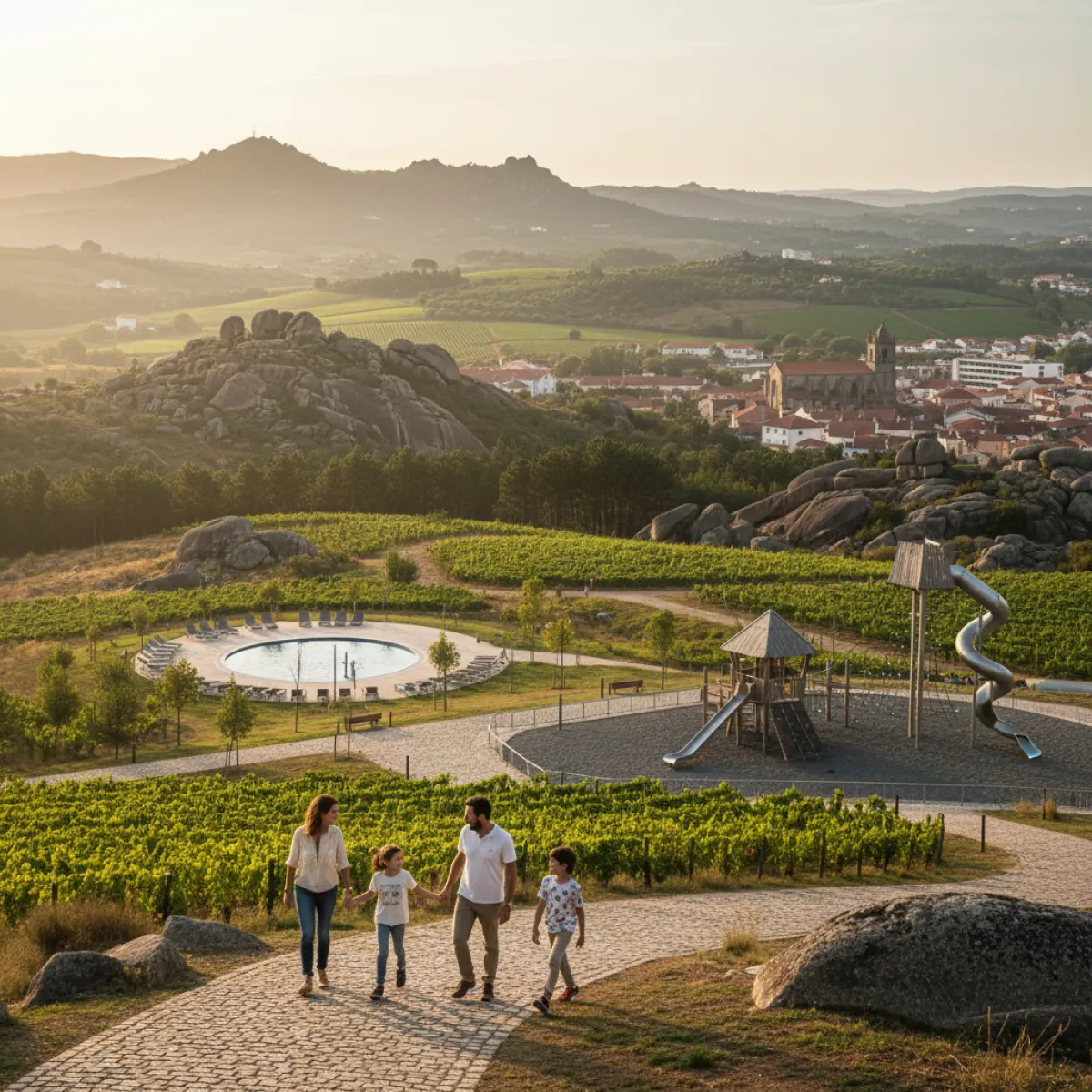
Penafiel sits at a strategic, almost tectonic intersection of the Portuguese North. It is where the Atlantic humidity that defines Porto begins to surrender to the rugged, granite-heavy geography of the interior. For families, this is more than just a transit point toward the Douro Valley; it is a destination that prioritizes substance over spectacle. When looking for the Best Day Trips from Porto, Penafiel stands out as an intellectually rewarding alternative for those who find the coastal crowds increasingly fatiguing.
The Pedagogical Power of the Municipal Museum
It is a rare feat for a local museum to win international acclaim while remaining genuinely engaging for a seven-year-old. The Museu Municipal de Penafiel managed exactly that, securing the Best European Museum award by focusing on sensory storytelling rather than dry academic displays. Housed in a beautifully repurposed 18th-century palace, the museum leads visitors through a series of darkened rooms where lighting and soundscapes bring the region’s archaeology and traditional trades to life.
For parents, the museum is a blessing of controlled exploration. The exhibits are tactile and visually arresting, allowing children to grasp the scale of Roman presence or the complexity of local weaving without the need for constant shushing. At approximately 10 euros for a family ticket, it represents some of the best cultural value in the region. It offers a grounded perspective on Northern history, contrasting with the more ornate and religiously dense narratives found in A Guide to Braga: Portugal's Quietly Radical Northern City.
Magikland: A Nostalgic Counterpoint
In an era of high-octane, digital-heavy theme parks, Magikland feels like a charmingly analog outlier. Formerly known as Bracalândia, this park has pivoted toward a family-centric scale that avoids the overwhelming sensory assault of larger European parks. The layout is divided into historical and mythical themes, from the Pirate Refuge to the Medieval Village, all shaded by a mature canopy of trees that makes even the hottest August afternoons manageable.
The pace here is decidedly slower. Queues are rarely oppressive, and the rides are designed for a wide age range, ensuring that toddlers and pre-teens are equally entertained. A family pass costs around 65 euros, and while the on-site dining options are basic, the park’s proximity to the town center allows for a more sophisticated dinner once the gates close at 6:00 PM. It is a place that values childhood whimsy over commercial efficiency, a rarity in modern leisure.
Monte Mozinho: Exploring the 'Dead City'
For families who prefer their history with a side of fresh air and exploration, the Castro de Monte Mozinho is essential. Known as the 'Dead City,' this sprawling archaeological site was one of the largest Roman-era hillforts in the Northwest of the Iberian Peninsula. There are no gift shops or ticket booths here, just 20 hectares of circular granite foundations and ancient streets that serve as a massive, open-air playground for the imagination.
Unlike the more curated historical centers discussed in A Guide to Guimarães: The City Where Portugal Learned to Be Itself, Monte Mozinho offers a raw, unmediated connection to the past. Children can scramble over stone ruins and trace the paths of soldiers and merchants who lived here two millennia ago. It is the perfect spot for an late afternoon picnic, provided you bring your own supplies and wear sturdy shoes for the uneven terrain.
Quinta da Aveleda: Botanical Magic
While Aveleda is globally recognized for its Vinho Verde, the estate is primarily an exercise in romantic landscaping. The Guedes family has spent generations cultivating a garden that feels like a portal to a different century. For children, the draw is the eccentric architecture, most notably the Three-Story Goat Tower, and the hidden follies scattered throughout the lush, moss-covered grounds.
A guided tour of the gardens, which includes a tasting for the adults, costs about 15 euros. It is an investment in aesthetic education. The level of botanical detail is staggering, and the silence of the estate provides a necessary palate cleanser from the bustle of the city. It is a sophisticated way to introduce children to the concept of heritage and land stewardship without it feeling like a lecture.
The Gastronomic Reward: Roast Lamb and Regional Sweets
Eating in Penafiel is an act of regional loyalty. For a proper family lunch, the only real choice is 'Cabrito Assado' (roast kid) served with rice and potatoes that have soaked up all the juices from the wood-fired oven. Restaurants like Rocha provide a masterclass in this vernacular cuisine. The portions are enormous, the service is brisk and grandmotherly, and the bill for a family of four will likely hover around 80 euros, a bargain for the quality provided.
Before leaving, stop at a local 'pastelaria' for Bolinhos de Amor. These are dense, sugary cakes that were traditionally sold at fairs and pilgrimages. They lack the refinement of French pâtisserie, but they possess a rustic honesty that is emblematic of Penafiel itself. It is food meant to be shared, eaten with the hands, and enjoyed without pretension.
Practicalities
Getting to Penafiel is straightforward. It is a 30-minute drive from Porto via the A4 motorway, and the train connection from São Bento is efficient, though the station is located a short taxi ride away from the historic core. To truly appreciate the outlying sites like Monte Mozinho and Quinta da Aveleda, a car is highly recommended. The city is walkable, but the surrounding hills require wheels.
Penafiel does not feel the need to shout. It is a city of granite and slow-cooked meals, of award-winning museums and nostalgic theme parks. It offers a family experience that is rooted in the reality of the Portuguese North, honest, sturdy, and deeply rewarding for those willing to look beyond the surface.
