Markets and Street Food: The Culinary Pulse of Cascais
Explore the authentic side of Cascais through its legendary Mercado da Vila and a thriving street food scene. From fresh Atlantic seafood to the perfect coastal bifana, discover where to eat like a local in Portugal's premier seaside town.
The epicenter of flavor: Mercado da Vila
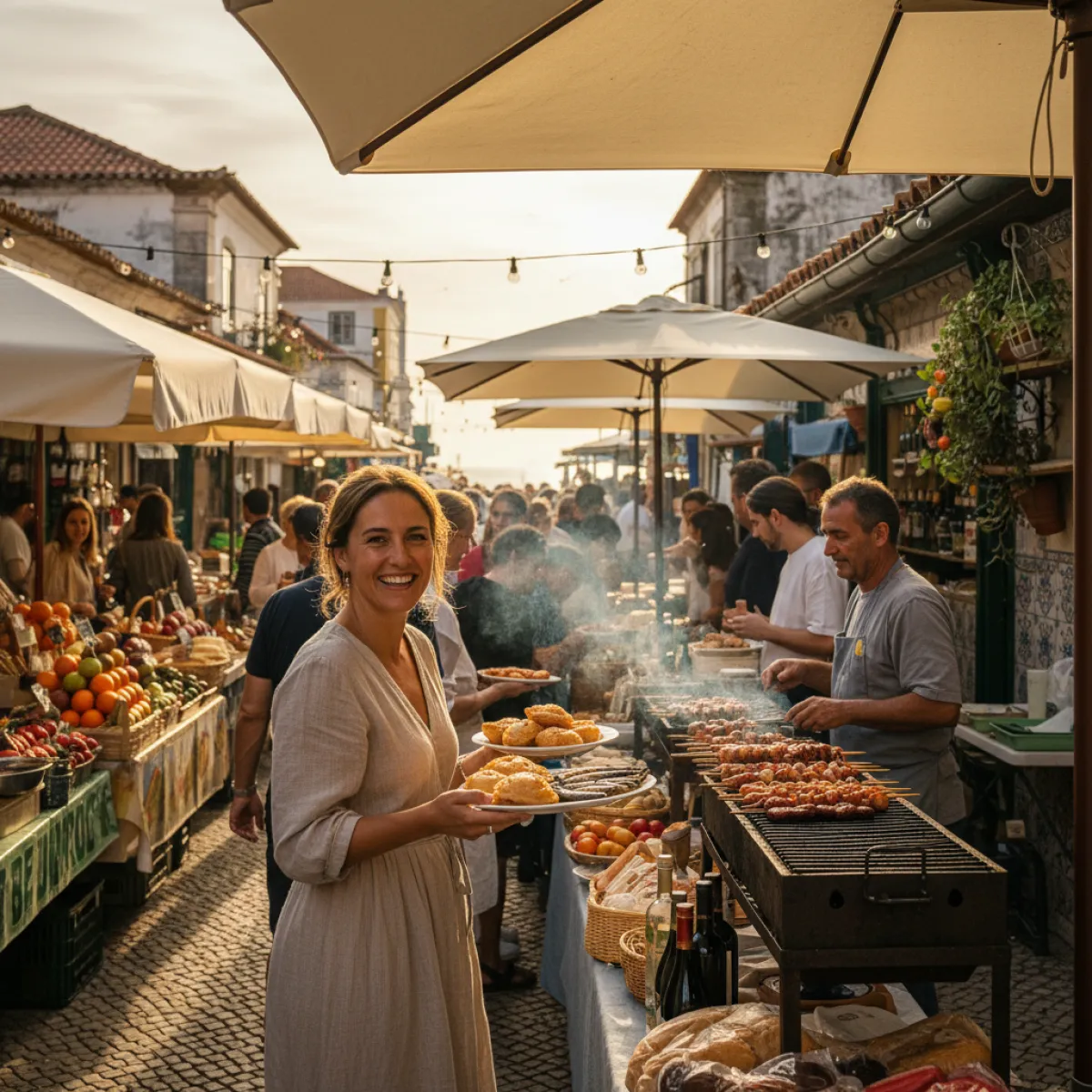
To truly understand Cascais, one must look past the polished yacht decks and the manicured lawns of the Quinta da Marinha. The real lifeblood of the town circulates through the Mercado da Vila. This is not a mere grocery stop; it is a sprawling, high-energy theater of trade where the Atlantic meets the agrarian riches of the Sintra hills. On Wednesdays and Saturdays, the market doubles in size as small-scale farmers descend upon the town, bringing with them heritage tomatoes, honey from the Serra, and cheeses that have never seen the inside of a supermarket.
The fish section is the undisputed highlight. Here, the silver-skinned sea bass and the deep-red carabineiro prawns are laid out with an aesthetic precision that would rival a gallery. The vendors, many of whom are the wives or daughters of local fishermen, possess an encyclopedic knowledge of their stock. They will tell you exactly which bream was caught by hook and line and which octopus is best for a slow braise. For those who want to bridge the gap between observing and doing, the Authentic Cooking Class in Cascais: Traditional Flavors with Meals & Memories offers a practical deep dive into these ingredients, teaching visitors how to handle the local bounty with the respect it deserves.
Street Food Culture and Coastal Rituals
Street food in Cascais is defined by its relationship with the water. The 'Paredão', the coastal promenade connecting Cascais to Estoril, is the main artery for informal dining. While you will find the ubiquitous Santini gelato in the town center, the real insider move is to grab a freshly fried 'bifana' (pork sandwich) from a coastal kiosk. These aren't the over-engineered versions found in trendy Lisbon districts; they are humble, heavy on the garlic, and meant to be eaten while your feet are still sandy.
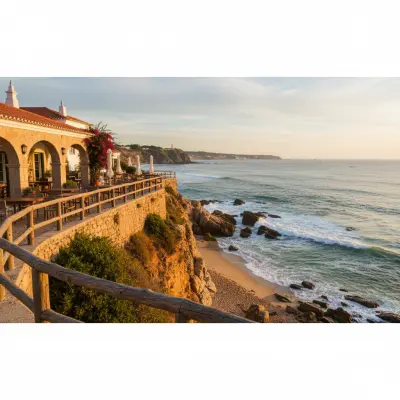
A particularly evocative spot for a takeaway bite is the Miradouro da Azarujinha. Perched above a crescent-shaped beach, it offers a dramatic vantage point that is far removed from the main tourist drag. It is an ideal place to pause with a paper bag of 'pastéis de bacalhau' (cod fritters) and watch the Atlantic rollers come in. The budget for this kind of street-level grazing is modest, expect to pay between 5 and 10 euros for a substantial snack and a drink.
The Rugged West: Boca do Inferno and Beyond
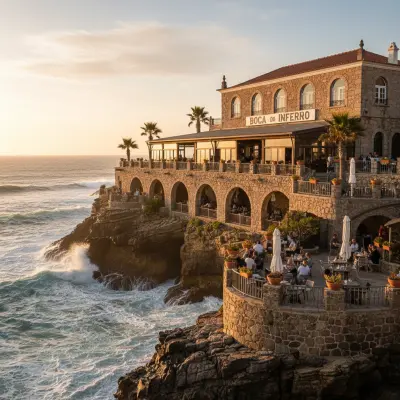
Heading west towards the Sintra-Cascais Natural Park, the scenery shifts from manicured to wild. Boca do Inferno, the 'Mouth of Hell,' is where the ocean’s violence is most visible. The street food here is as rugged as the cliffs: look for vendors selling 'tremoços' (lupin beans) and roasted nuts. These are the traditional fuel for locals taking the long walk along the coast. It is a sensory experience defined by the sound of crashing waves and the sharp tang of sea salt on the air.
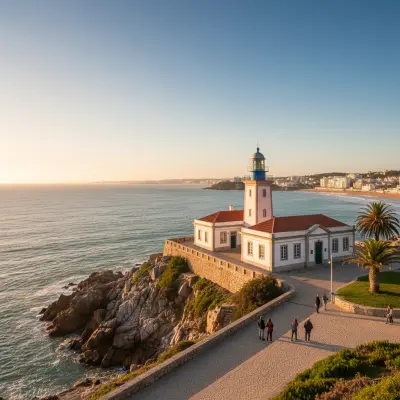
Nearby, the Farol Museu de Santa Marta provides a cultural backdrop to the culinary exploration. The lighthouse, with its iconic blue and white stripes, marks the entrance to the marina area. Around here, you’ll find several unassuming spots where the day's catch is grilled over open pits. The rule of thumb here is simple: if you can smell the charcoal and the menu is handwritten, you are in the right place. Order the 'sardinhas' if they are in season (June to September), or the 'prego no pão' (steak sandwich) if you need something more substantial after a day of physical activity.
Navigating the Region: Day Trips and Strategy
Cascais is an excellent anchor for wider gastronomic journeys. To understand the full scope of the Lisbon Riviera’s food scene, one should consult the guide on Best Day Trips from Cascais: Unmissable Destinations. It provides the necessary logistics for reaching the vineyards of Colares or the pastry shops of Sintra, where the 'travesseiro', a puff pastry filled with almond cream, is a mandatory rite of passage.
For the best experience at the Mercado da Vila, timing is everything. Arrive by 9:00 AM on a Saturday to see the market at its most kinetic. The produce is at its peak, and the interaction between the vendors and the local residents provides a masterclass in Portuguese social etiquette. Avoid the market on Mondays, as most fishermen take Sundays off, meaning the fish stalls will be largely empty. Instead, use that time to explore the backstreets of the old town, where small windows serve 'ginjinha' (cherry liqueur) in chocolate cups, a sweet, street-side end to a day of exploration.
Ultimately, the food culture of Cascais is a celebration of the Atlantic. It is unpretentious, seasonally driven, and deeply connected to the geography of the coast. Whether you are peeling prawns at a market stall or biting into a warm bifana as the sun sets over the Azarujinha, you are participating in a tradition that has remained largely unchanged despite the town’s growing international profile. It is a reminder that in Portugal, the best meals are often those eaten with the sound of the ocean in your ears and salt on your skin.