Mafra in March: A Guide to the Atlantic Shoulder Season
Experience Mafra in March, where the grandeur of the National Palace meets the raw Atlantic power of Ericeira. A complete guide to spring weather, coastal dining at Predio Ericeira, and why this is the perfect time for a crowd-free escape.
The Mood: Atlantic Resilience and Limestone Silence
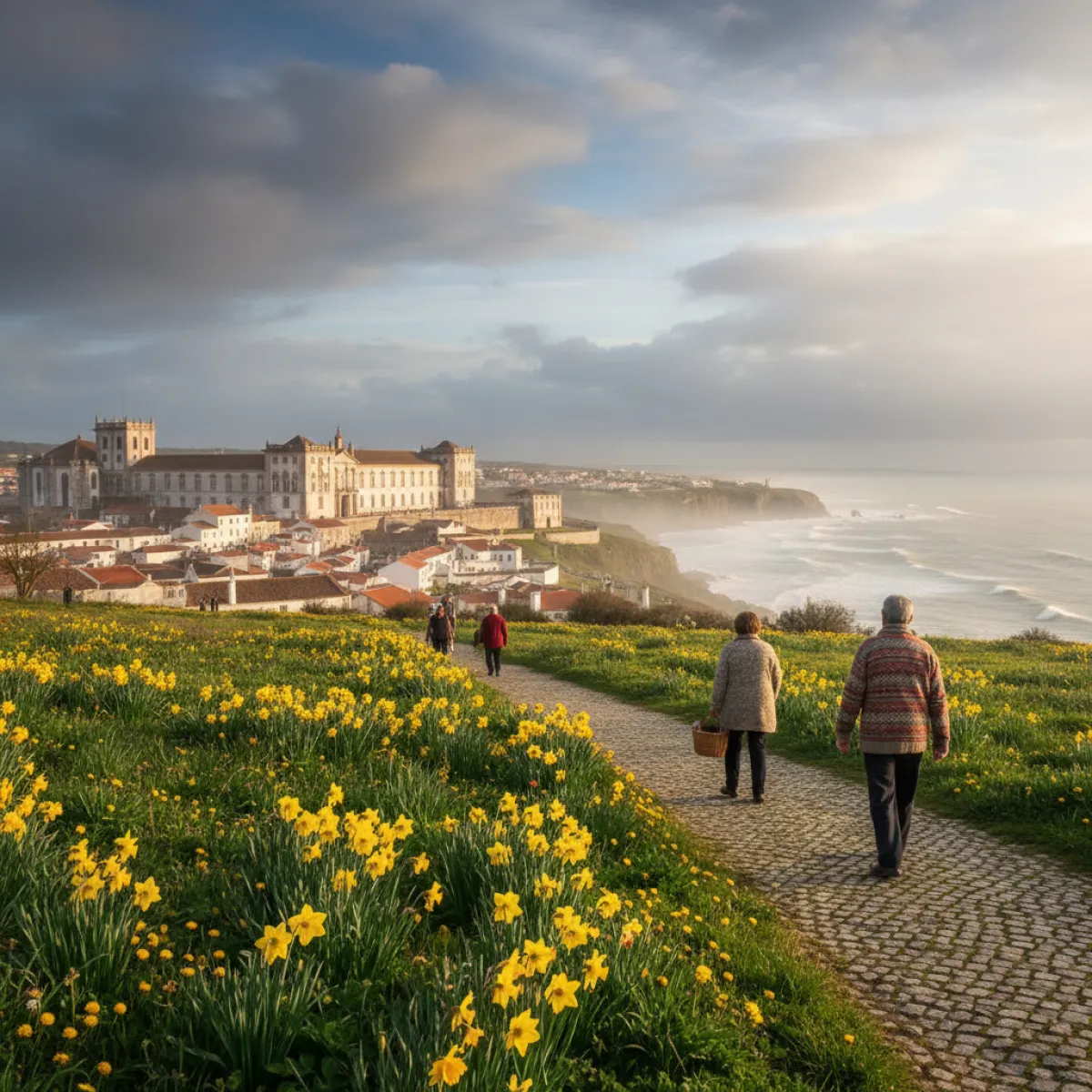
March in Mafra is a season of sharp clarity. The heavy winter rains begin to yield to the bright, scoured light of the Atlantic, and the vast limestone facade of the National Palace takes on a silvery, almost translucent quality. For the traveler who finds the heat of July oppressive and the crowds of Sintra intolerable, March offers a sophisticated alternative. This is a landscape of scale and wind, where the woodsmoke from village chimneys mingles with the salt spray carried up from Ericeira.
This is not a destination for those seeking a passive vacation. Mafra in early spring demands movement. It is about walking the empty, echoing corridors of the convent, hiking the trails of the Royal Hunting Grounds, and watching the raw power of the ocean from the cliffs. To understand the broader context of the region's identity beyond the monumental, one might look into Local Culture in Lisbon: Traditions, Neighborhoods and the City's Soul, which provides the urban counterpoint to Mafra's rural gravitas.
The Climate: Layers and Luminosity
Expect a dialogue between the sun and the clouds. Temperatures typically hover between 10°C (50°F) and 18°C (64°F). While the mercury might suggest mildness, the "Nortada", the north wind, is a constant factor. It keeps the air crisp and the views across the valleys extraordinarily clear. Rainfall is unpredictable but usually arrives in short, dramatic bursts rather than a persistent drizzle.
Your wardrobe should be pragmatic. A trench coat or a high-quality shell is essential for the palace’s drafty galleries and the Ericeira waterfront. Footwear should be sturdy; the cobblestones of Mafra and the sandy paths of the Tapada can be slippery when damp. The reward for braving the occasional shower is the lack of queues and the ability to photograph the Royal Building without a single person in the frame.
The Real Edifício: Architecture as Absolute Power
The Mafra National Palace is an exercise in architectural megalomania. Built by King João V to fulfill a vow (and to compete with the grandeur of Versailles), it is one of the world's largest buildings. In March, the sheer scale of the place is even more palpable. The lack of tour groups means the silence is absolute, broken only by the chime of the carillons or the occasional distant footfall on the marble floors.
The Library is the intellectual heart of the palace. It is a Rococo masterpiece, housing over 36,000 volumes, many of them rare and leather-bound. The resident colony of bats, which eats the insects that would otherwise destroy the books, is a fascinating piece of natural pest control. Spend time here observing the play of spring light on the gilded wood. The Basilica, with its six pipe organs, is equally impressive. If you can time your visit to a Sunday service or a scheduled concert, the acoustics are among the finest in Europe.
The Tapada Nacional: Nature Unfolding
The Tapada Nacional de Mafra, the former royal hunting grounds, is a 800-hectare walled forest that feels like a world unto itself. In March, the deer, fallow deer, and wild boar are particularly active as the vegetation begins its spring growth. The air here is noticeably cooler and fresher than in the town, scented with pine and cork oak.
For a rigorous morning, take the blue hiking trail. It is well-marked and offers several vantage points over the palace and the distant ocean. The entry fee is modest, but the value is in the solitude. Budget around €15 for a guided tour on an electric vehicle if you prefer a less strenuous exploration. It is a disciplined environment; visitors are encouraged to be quiet to avoid startling the wildlife. It is the perfect antidote to the sensory overload of modern travel.
Ericeira: The World Surfing Reserve
Ten minutes west of Mafra lies Ericeira, a fishing village turned global surfing mecca. In March, the town retains its traditional character before the summer surf camps take over. The waves are at their most consistent and powerful during this shoulder season, attracting professionals to breaks like Coxos and Ribeira d'Ilhas. Even if you don't surf, the spectacle of the Atlantic swells crashing against the cliffs is worth the trip alone.
Ericeira is an excellent strategic base. It feels more connected to the elements than the sheltered valleys of Sintra. Travelers often combine a stay here with explorations of the surrounding coast; for instance, many choose to take Best Day Trips from Cascais: Unmissable Destinations that loop through Ericeira and Mafra, showcasing the diversity of the Lisbon region's shoreline. The blue-and-white architecture of the village is impeccably maintained, and the narrow streets are perfect for aimless wandering.
Gastronomy: The Purity of the Sea
Seafood in the Ericeira region is a matter of pride, not performance. The local catch in March is exceptional, with sea bass (robalo) and sea bream (sargo) being the highlights. For an uncompromisingly authentic meal, book a table at Predio Ericeira. This is a restaurant for those who value ingredients over artifice. The fish is grilled simply over charcoal with sea salt, served with local potatoes and greens.
Order the grilled octopus if it’s on the menu, and do not miss the chance to try the Mafra bread, which is famous throughout Portugal for its thick crust and airy center. A meal here will cost between €30 and €50 per person, depending on your wine choice. The atmosphere is unpretentious and focused, reflecting the local fishing heritage. It is the kind of place where the quality of the olive oil on the table tells you everything you need to know about the kitchen’s standards.
Regional Logistics and Context
Mafra is often overshadowed by its more famous neighbor, Sintra. However, the two are inextricably linked. A stay in Mafra offers a more grounded, less theatrical experience than the Sintra hills. To understand the different vibes of the nearby towns, consult the Sintra Neighborhood Guide: Discover Every Corner of the Enchanted Town. It will help you decide whether to base yourself in the misty forests of Sintra or the sun-drenched (and wind-swept) coast of Ericeira.
A car is highly recommended for this region. While there are buses from Lisbon (Campo Grande station), they lack the flexibility needed to explore the smaller villages and the hidden beaches along the coast. Driving in the area is straightforward, and the roads are generally in excellent condition. Parking in Mafra is rarely an issue in March, with a large lot right next to the palace.
Practicalities and Budget
- Accommodation: Boutique guesthouses in Ericeira or rural retreats near Mafra range from €80 to €120 per night in March.
- Dining: A casual lunch costs around €15, while a high-end seafood dinner at Predio Ericeira will be closer to €45 per person.
- Palace Entry: €6. It is one of the best value-for-money cultural sites in the country.
- Timing: Arrive at the palace when it opens at 9:30 AM to have the best light in the library.
Visiting Mafra in March is an opinionated choice. It is a choice for the traveler who values the architectural ego of kings, the raw power of the Atlantic, and the quiet dignity of a town that refuses to be a mere tourist backdrop. Bring a warm sweater, an inquisitive mind, and a healthy appetite for seafood; the region will reward you with an authenticity that is becoming increasingly rare in southern Europe.