Loulé's Beaches in July: The No-Nonsense Guide
In July, any beach with easy parking is full by 11am. From wild Garrão to Vilamoura's marina, here's the honest guide to Loulé's beaches: when to arrive, where to eat cheaply, and where to escape when the sun turns brutal.
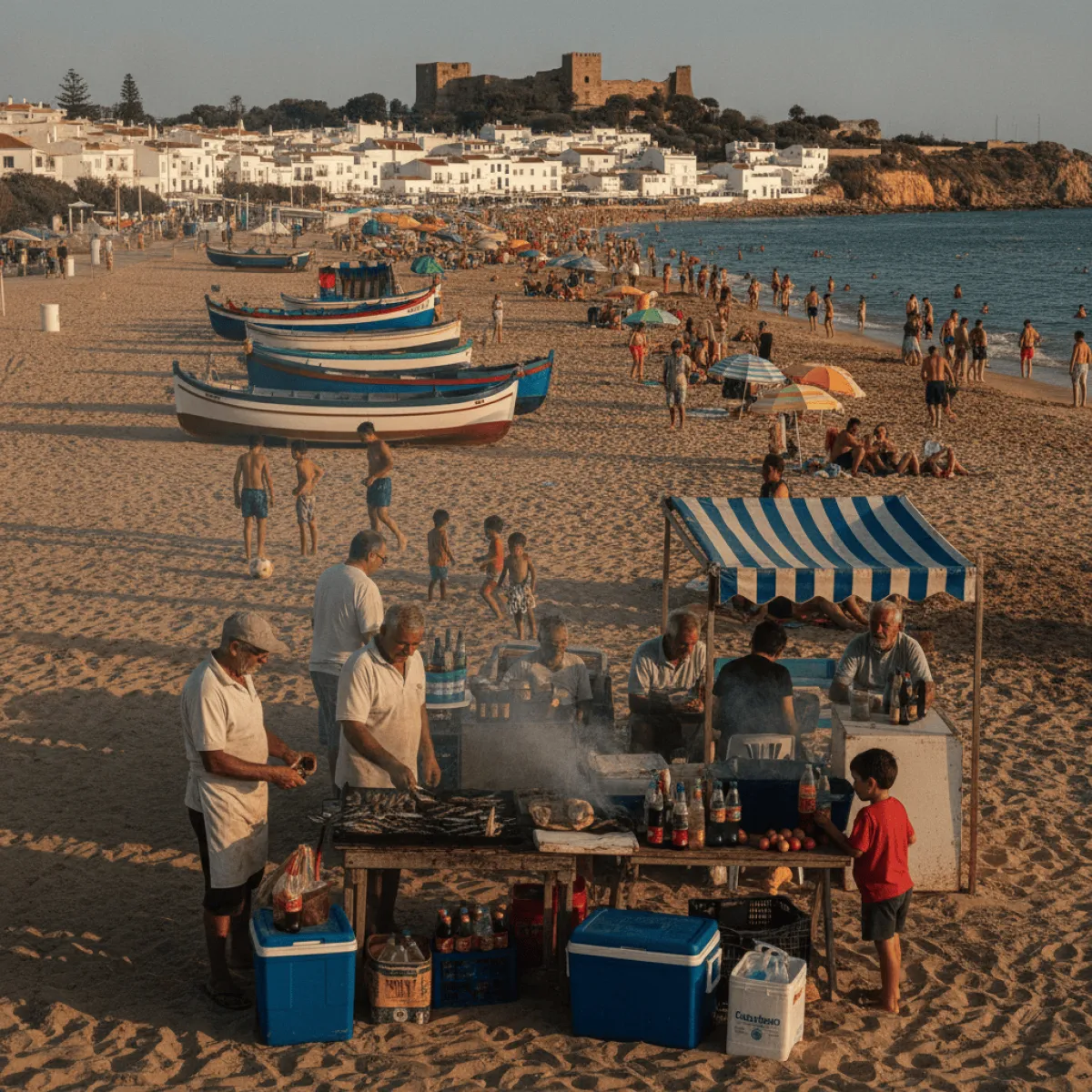
There's a truth about the Algarve in July that the brochures would rather you didn't know: by eleven in the morning, any beach with easy parking is already full. The sand vanishes under a quilt of towels, the queue at the beach bar hits fifteen minutes, and the guy next to you fires up a Bluetooth speaker. The good news is that the Loulé municipality holds one of the most varied stretches of coast in the Algarve, from protected wild dunes to marinas pouring champagne by the glass. The trick is knowing what time to show up and which beach suits the day you want to have.
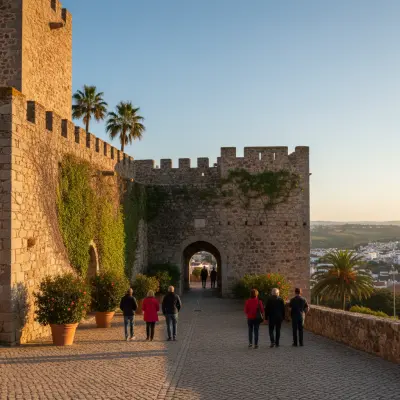
Forget the idea that Loulé is just the inland town with its Sunday market and the Moorish walls of Castelo de Loulé. The municipality runs all the way to the sea and takes in some of the most sought-after beaches in the country: Quarteira, Vilamoura, Vale do Lobo, Quinta do Lago and the seemingly endless Praia do Garrão. Each has its own character, its own crowd and its own price tag. Here's the honest map.
The golden rule of July: arrive early or arrive late
In July the sun is up around 6:20am and the comfortable cool of the morning burns off fast. Get to the popular beaches before 9:30am and you park at the edge, pick your spot and still catch the fresh sand. Roll in at noon and you pay for the sin: laps around the car park, heat pushing 33 degrees and every patch of shade already claimed.
The alternative, and arguably the better one, is the late beach. From about 5:30pm the crowd starts to thin, the light turns golden and the water, warmed all day, is at its best. Bring a snack, stay for sunset and eat dinner later. That's how you do July without resentment in your heart.
Praia do Garrão and Praia do Ancão: the wild side
If your idea of a beach involves dunes, pine woods and the sense that the concrete is behind you, this is where you go. Praia do Garrão and the neighbouring Praia do Ancão sit inside the Ria Formosa Natural Park, which means a wide expanse of sand, wooden boardwalks over the dunes and not a building in sight. The water is clear and the beach is so long that even in July you can find space if you walk a few minutes away from the bar.
The catch is parking: free but limited, and full by 10am. Get there early. There are beach restaurants around Quinta do Lago and Garrão, but priced for people who know you're on holiday: a lunch of grilled fish with a drink rarely comes in under 30 to 40 euros a head. Bring water and fruit so you're not at the mercy of the bar.
Quinta do Lago: the most photographed boardwalk in the Algarve
Quinta do Lago's beach connects to land via a long wooden bridge across the lagoon, a five-minute walk that separates the car park from the sand. It's beautiful, it's Instagram bait and it's also the reason families with pushchairs think twice. But the reward on the far side is one of the cleanest, breeziest beaches in the municipality. Calm water, great for kids, even if the walk back with everything on your shoulders is the least romantic part of the day.
Vilamoura: beach by morning, marina by night
Vilamoura is the philosophical opposite of Garrão. Here you get a marina full of yachts, cocktail bars, a casino and a beach, Praia da Marina, with every facility you could want: showers, lifeguards, loungers for hire. It isn't wild and it doesn't pretend to be. This is the beach for people who want convenience and like to round off the afternoon with a drink in hand watching the boats.
The practical tip: Praia da Falésia starts here, next to Vilamoura, and runs for kilometres eastward beneath its ochre cliffs topped with pine. It's one of the most spectacular beaches in the Algarve. Park on the Vilamoura side or at the clifftop viewpoints, take the steps down and walk. The further you go, the emptier the sand. Late-afternoon photos, with the reddened cliff against the blue, are worth the effort.
Quarteira: the honest, unpretentious beach
Quarteira is the beach the Algarve snobs turn their noses up at, and the one I defend without embarrassment. It's an old-fashioned seaside town with a tiled promenade, proper fishmongers and restaurants where grilled fish costs what it should rather than what the view can justify. The beach is large, it's held a Blue Flag for years, and the atmosphere is family-friendly, noisy and genuinely Portuguese. In July it fills with families from Lisbon and the interior, and that's precisely what gives it life.
Have grilled sardines at one of the seafront restaurants in Quarteira, pay half what you'd pay in Quinta do Lago, and understand why this beach is still the favourite of the people who actually live here.
Where to stay: the right base changes everything
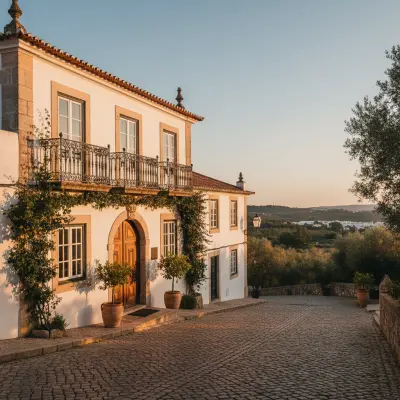
The classic mistake people make when visiting Loulé's beaches is booking right on the water, in faceless resort complexes where you pay a fortune for a pool identical to your neighbour's. I do the opposite: I stay around Loulé town or up in the hills, with a car, and drive down to the beach when I want. It's cheaper, you sleep better and you actually get to know the real Algarve.
The CASA BRAVA vacation rental is exactly that kind of smart base: minutes from central Loulé, away from the chaos of the seafront, with the quiet you'll be grateful for after a day of sun and sand. From here the coastal beaches are twenty to thirty minutes by car, and at the end of the day you come home to a place where you can actually hear the silence instead of the next beach bar's playlist.
Beachless days: because July has clouds (and too much heat) too
There will be a day when the north wind picks up, or when the heat at two in the afternoon makes the beach unbearable. For those days, the municipality has alternatives most tourists ignore. Heading up to Loulé town to work through its museums is one: the marathon around Loulé's seven museum hubs is a surprisingly good way to spend a hot morning, from the convent to the market, always in the shade.
For anyone wanting a radical escape from the crowds, the hills above Loulé run ten degrees cooler than the coast. An early-morning session of yoga in the Loulé mountains with the Wild View is the perfect counterweight to too much beach, and sends you back to the sea in a different frame of mind.
When to take the kids somewhere else
If you're travelling as a family and the children are sick of sand, it's worth getting in the car and driving to Silves, half an hour away, where the red castle and the river make for a completely different day. Our guide to Silves with kids spells out exactly what works and what's a waste of time with little ones in tow.
Eating well after the beach
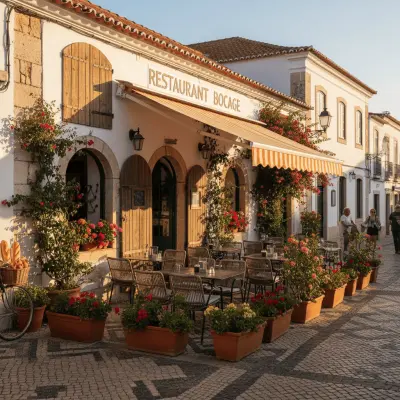
Burnt skin and a sharpened appetite call for a table. In Loulé town, away from the seafront mark-up, Restaurante Bocage is my pick for dinner without the throngs: honest Portuguese cooking in the historic centre, ideal for closing out a beach day with a plate of fish or meat and none of the marina-restaurant theatre. Book ahead, especially in July.
If you want to understand the Algarve beyond the beach, it's worth crossing the municipal line. Faro, the capital, has a cultural life the touristy coast hides, and our piece on local culture in Faro and the traditions of the authentic Algarve shows that side. Further west, Lagos rewards a day trip, and the Lagos neighbourhood guide helps you navigate the town without falling into the obvious traps.
The practical summary that matters
- Wild beach and dunes: Garrão and Ancão. Arrive before 10am for parking.
- Families and calm water: Quinta do Lago, across the wooden boardwalk.
- Convenience and a sunset cocktail: Praia da Marina in Vilamoura.
- Cliffs and photography: Praia da Falésia, walk away from the bar.
- Honest, affordable beach: Quarteira, and the grilled fish on the seafront.
- Extreme heat day: Loulé's museums or yoga in the hills.
The Algarve in July doesn't have to be a battle for a square metre of sand. It has to be planned with the cunning of someone who knows the ground: get up at dawn or wait for the afternoon, choose the beach by the day you want to have, and use the hills and the town as a refuge when the sun gets too fierce. Do that, and you'll take home the Algarve everyone else swears no longer exists.