Lisbon’s Red Carnations: A Guide to the 1974 Revolution Sites
Forget the dry history books; Lisbon’s revolution is written in the cobblestones of Largo do Carmo. From the 00:20 AM radio signal to the carnations in the rifle barrels, here is how to walk the path of Freedom Day like a local.
Morning Echoes: The Signal That Changed Everything
At 00:20 on April 25, 1974, Radio Renascença broadcast "Grândola, Vila Morena." In a country muffled by nearly five decades of authoritarian silence, this wasn't just a folk song; it was the firing pin of a revolution. If you want to understand Lisbon, you have to look past the sun-drenched tiles and the postcard-perfect viewpoints. You need to walk the streets where history was written in the span of twenty-four hours. Lisbon isn’t a static relic; it’s a living city that, on that Thursday morning, finally drew its first free breath.
My advice? Start where the tension reached its breaking point: Largo do Carmo. Today, it’s a tranquil square where tourists queue for the Santa Justa Lift and locals sip overpriced coffee. But in 1974, this was the epicenter. The Carmo Barracks, where the dictator Marcello Caetano took refuge, was surrounded by rebel troops led by the legendary Captain Salgueiro Maia. The air wasn't filled with the static hum of tour guides, but with a palpable electricity. Stand in the center of the square, look up at the GNR barracks, and imagine the tanks rolling in. Skip the souvenir shops and the generic magnets; the real story is in the bullet marks and the collective memory of the square.
The Descent to the Tagus: Following the Steel and the Flowers
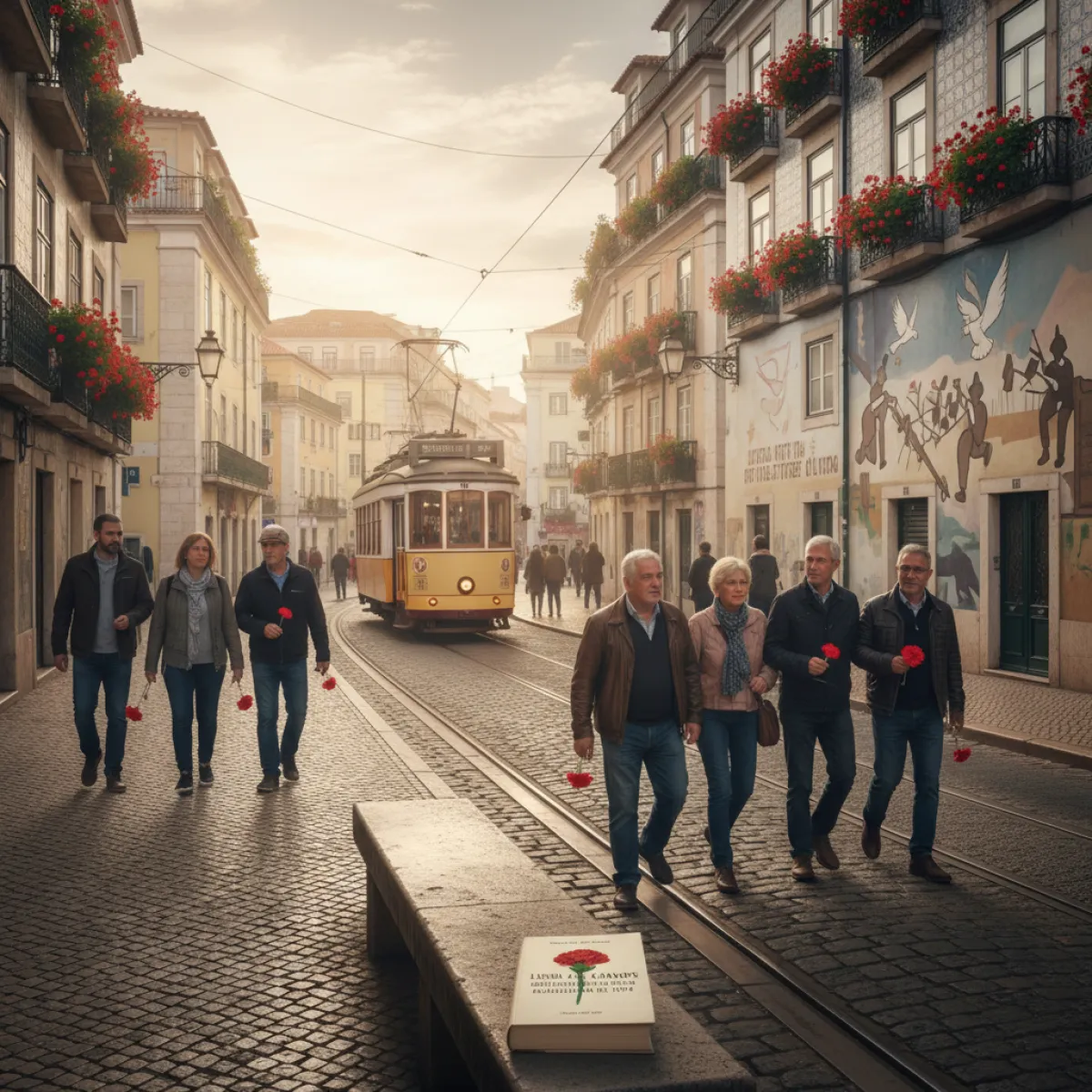
After absorbing the weight of the Chiado, head down Rua Garrett. Ignore the international fashion chains and focus on the cobblestones beneath your feet. On that day, the people of Lisbon ignored military orders to stay indoors and flooded the streets. It was here that Celeste Caeiro, a restaurant worker with no cigarettes to offer the soldiers, handed out red carnations instead. The soldiers tucked the blooms into the muzzles of their rifles. This single gesture transformed a military coup into the Carnation Revolution.
Your next stop should be Terreiro do Paço. This massive, riverfront square was the stage for a standoff between rebel forces and regime-loyalist troops. Imagine Salgueiro Maia’s columns facing down the threat of naval warships anchored in the Tagus. Today, the square is best enjoyed by the water, away from the overpriced bistros under the arches. For a better perspective, consider Cycling the Lisbon Waterfront: The Riverside Tour with Bike a Wish. It follows the same path the troops took to secure the riverside, offering a sense of the city’s scale and its vital connection to the sea.
Culture, Resistance, and the Rebirth of Fado
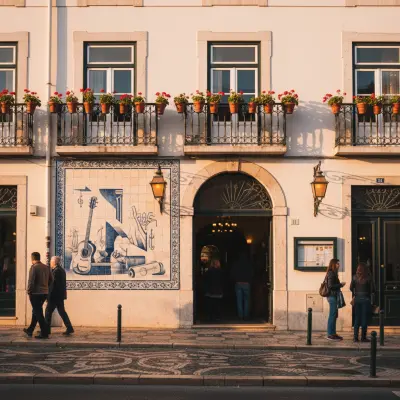
The dictatorship was gray, stifling, and obsessively controlled. Fado, often unfairly pigeonholed as a tool of the regime (the famous "Three Fs": Fado, Fátima, and Football), had to fight for its artistic soul after 1974. Legends like Amália Rodrigues and political exiles like José Afonso represented different sides of the same Portuguese identity. To feel this transition, a night in the Bairro Alto is non-negotiable. But avoid the places with neon signs and touts outside. Head to O Faia - Casa de Fados. This is where tradition is treated with the respect it deserves, proving that fado isn't just about sadness, it’s about the grit and dignity of a people who refused to be silenced.
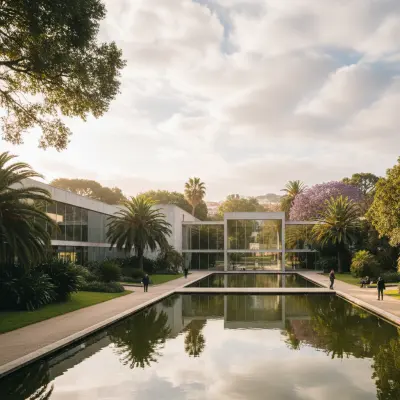
The revolution also liberated the city’s intellectual spaces. Museums that once felt like fortresses for the elite became open houses for the public. The Museu Calouste Gulbenkian is a prime example. Set in a brutalist masterpiece of a building, it houses an incredible collection that reflects the city’s global reach. It’s a place to reflect on how Lisbon balances its complex past with a fiercely independent present. If you want to dive deeper into the city's identity, read up on Local Culture in Lisbon: Traditions, Neighborhoods and the City's Soul to understand why certain districts still feel like independent villages.
A Local’s Survival Guide to Freedom Day
If you find yourself in Lisbon on April 25th, be prepared. It is a massive national holiday. Most shops will be closed, and Avenida da Liberdade will be packed with a vibrant, noisy, and unashamedly political parade. It’s a fascinating spectacle. Watch the elderly men with carnations pinned to their lapels and the younger generations shouting slogans. It’s democracy in its rawest form.
For lunch, do as the locals do. Forget the Michelin stars for one day. The revolutionary fuel of choice is the bifana, a simple pork sandwich that is more iconic than any fine dining dish. Head to Beira Gare near Rossio Station. Order it at the counter, douse it in mustard and spicy piri-piri oil, and wash it down with a cold imperial (a small draft beer). It’s fast, chaotic, and entirely authentic. This is the Lisbon that survived decades of austerity and came out smiling.
Escape the Capital: Contrast and Context
While Lisbon was the stage, the spirit of the revolution ignited the entire country. If the holiday crowds in the city center become too much, use the time to explore the outskirts. Many locals head to the beaches of Cascais or the misty forests of Sintra. If you’re looking for a change of pace, check out the Best Day Trips from Cascais: Unmissable Destinations. It’s a reminder that Portugal is more than just its capital; it’s a mosaic of coastal towns and mountain retreats that all shared in the newfound freedom of '74.
In short: April 25th in Lisbon isn't just a date on a monument. It’s the reason people speak their minds in the kiosks, why the art is so bold, and why the city feels so intensely alive. Walking these sites isn’t just a history lesson; it’s an act of respect for a city that traded bullets for flowers and never looked back.