Lisbon’s Red Carnations: A Grit-and-Glory Walk Through 1974
Forget the dry history books; the real story of the Carnation Revolution is written in the steep cobblestones of Largo do Carmo and the lingering silence of the old PIDE headquarters. From the first chords of 'Grândola' to the red flowers in rifle barrels, this is a Lisbon walk where every corner holds a ghost of 1974.
The Dawn of a Grey Thursday
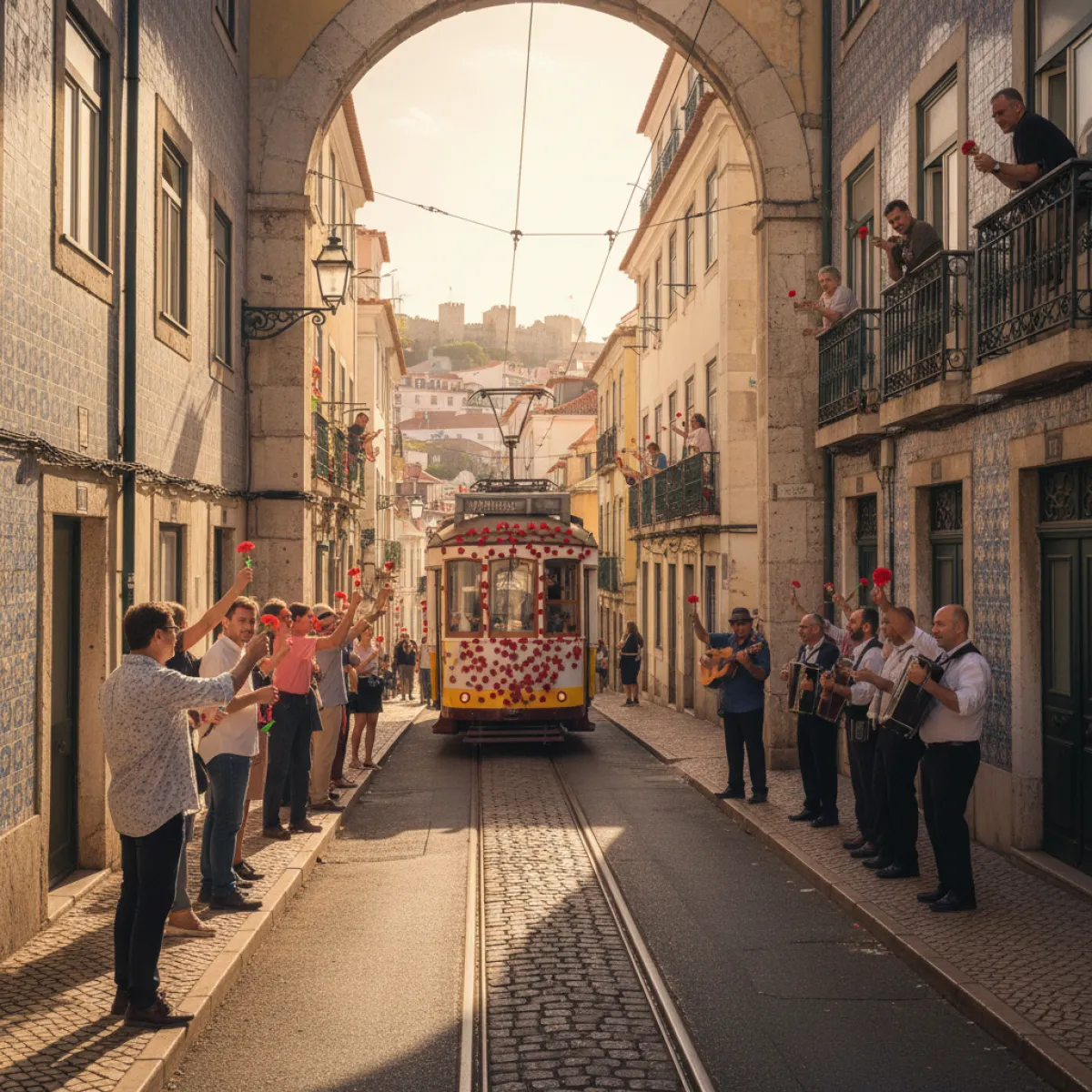
At 12:20 AM on April 25, 1974, Lisbon wasn't the city of bright lights and digital nomads we know today. It was a place of shadows, whispers, and a secret police (PIDE) that heard everything. When the radio announcer on Rádio Renascença read the first verse of "Grândola, Vila Morena," it wasn't just music; it was the starting gun for the end of a 48-year dictatorship. If you want to understand the Lisbon of today, you have to walk through these ghosts. Forget the guides selling only sun and seafood; the true identity of this city was forged in the iron of armored cars and the scent of red carnations that a waitress named Celeste decided to hand out to soldiers in Chiado, quite by accident.
Terreiro do Paço: Where the Empire Wavered
We begin at Terreiro do Paço. Today, tourists photograph the yellow facades and passing trams, but in '74, this was the stage of maximum tension. It was here that Salgueiro Maia, a 29-year-old captain from Santarém, faced down the regime's tanks. Imagine the roar of diesel and the smell of hot metal as soldiers, many of them just kids, were ordered to fire on their own colleagues. The bravery here wasn't the shot, which never happened, but the tense silence of the refusal.
Walking up Rua do Ouro toward Chiado, the atmosphere shifts. It is essential to dive into the Local Culture in Lisbon to understand how Fado, which for decades was the soundtrack of conformity, transformed after this day. If you pass through Baixa, avoid the tourist menus with faded food photos. Instead, go to Ginjinha Sem Rival, order a glass "com elas" (with cherries), and drink to democracy for less than 2 euros. This is where Lisboetas lean against the counter to talk politics, just as they did in the weeks following the revolution when everything seemed possible.
Rua António Maria Cardoso: The Shadow of PIDE
A few minutes' walk away in Chiado is Rua António Maria Cardoso. Today it’s a luxury area, but the building that housed the PIDE headquarters still makes the stomachs of many locals tighten. It was here that the regime’s final shots were fired, killing four protesters. No brass plaques can erase the memory of the interrogations. It’s a reminder that freedom in Portugal wasn’t a gift; it was a conquest.
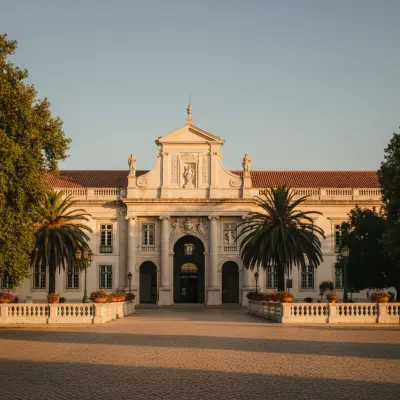
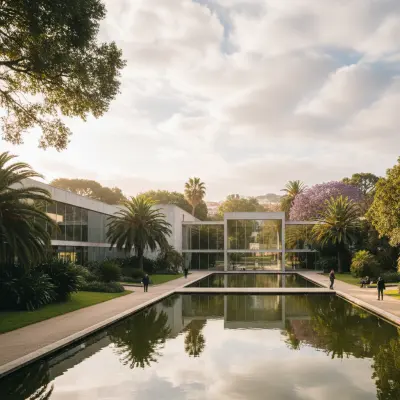
After this historical weight, I recommend a visual detour. Lisbon isn't just about politics; it’s about how it views beauty. The Museu Nacional de Arte Antiga holds treasures that survived monarchies and dictatorships, offering a perspective of continuity that helps digest the jolts of recent history. Entry is about 6 euros, and the garden overlooking the Tagus is the perfect spot for a reflective coffee away from the Chiado crowds.
Largo do Carmo: The Final Siege
Head up to Largo do Carmo. This is where the GNR barracks are located, where Marcelo Caetano, Salazar's successor, took refuge. The square is beautiful, with its fountain and the ruins of the Carmo Convent, but on April 25, it was bursting at the seams. Thousands of people surrounded the military, ignoring radio pleas to stay home. If the walls of Carmo could speak, they would tell the story of the surrender at dusk, when the dictatorship fell without Lisbon having to burn.
For those who prefer to explore the city more dynamically after so much history, I recommend the From Peak to Pier experience. It’s a descent that takes you from the top of Eduardo VII Park down to Belém, passing the river where the Navy also played its crucial role in the revolution. It’s a way to clear the historical palate with the river breeze.
The Fado of Freedom
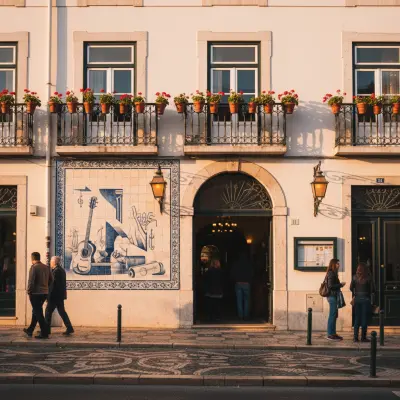
End the day in Alfama. During the Estado Novo, Fado was monitored; lyrics had to be approved by censorship. After April, Fado had to reinvent itself, shedding the label of "the regime's music." A visit to O Faia - Casa de Fados is imperative. Don't expect a cheap dinner, budget around 60-80 euros per person, but expect the truth. O Faia is one of those places where Fado isn't for tourists to see, it's for locals to feel. Order the house cod and let the guitars do the rest.
Practical Tips for the April Traveler
- When to go: The April 25th holiday is the obvious date, with parades on Avenida da Liberdade, but any day with low sun is ideal for this route.
- Getting around: On foot. Lisbon is conquered by the legs. Use shoes with good grip for the Portuguese pavement; the granite polished by time is unforgiving to the distracted.
- What to avoid: Don't waste time in the endless lines for the Santa Justa Lift. Go to the Carmo Convent terrace for a similar view at a fraction of the price and without the stress.
- Don't miss: If you have time for more, check out the Best Day Trips from Cascais, especially to see where the regime's elites spent their weekends while the country stagnated.
Lisbon is a city of contrasts. Where tanks once marched, there are now terraces. Where people shouted for freedom, twenty different languages are now heard. But the spirit of April is still there, somewhere between a red carnation and the silence of a well-sung Fado. It is a deliberate journey, yes, but necessary for those who want more than just a selfie at the Discoveries Monument.