Lagos: A Wine and Petiscos Itinerary for Real Food Lovers
Forget the plastic-menu terraces on the waterfront. In Lagos, the real flavor is found in the narrow backstreets, where house wine flows freely and the clams taste of the Atlantic.
Beyond the Postcard: The Real Flavor of Lagos
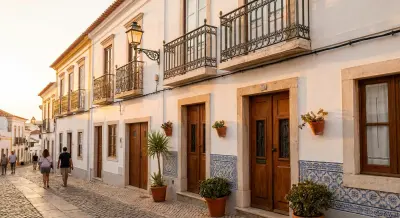
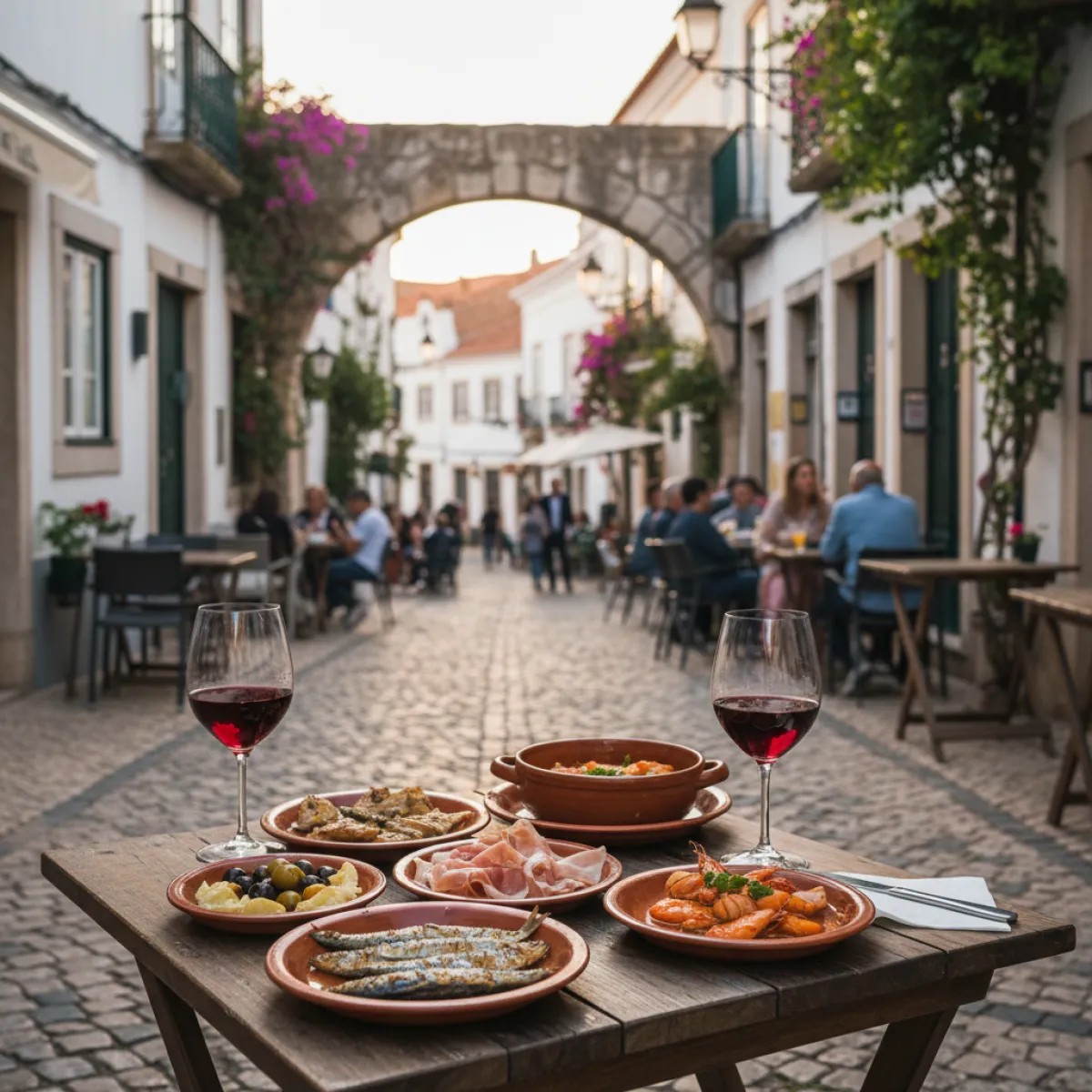
Lagos has an annoying habit of marketing itself solely through its coastline. Open any generic travel magazine and you'll be hit with an industrial-strength dose of Ponta da Piedade photos and bronzed people leaping off catamarans. It's beautiful, sure, but it's a postcard-set piece that exhausts itself in twenty minutes. The real Lagos, the one that smells of fried garlic, Lagoa red wine, and the loud banter of retired fishermen, isn't on the waterfront where the menus feature laminated photos of paella. It's three or four streets back, where the pavement is uneven and the streetlights feel like they were forgotten in the late 90s.
For those who live to eat, Lagos is a minefield of tourist traps. If you hear someone calling out to you in English from a restaurant doorway, keep walking. If you see a chalkboard advertising "Traditional Tapas," run. In Portugal, we don't eat tapas; we eat petiscos. The difference isn't just semantic; it's philosophical. While a tapa is often a mere accessory to the drink, a petisco is the protagonist of a social ritual that can last for hours. Before you dive into the adegas, it's worth knowing where you stand. Our Lagos Neighborhood Guide: Discover Every Corner of This Algarve Gem is the ideal starting point to ensure you don't end up eating frozen burgers in a soulless plaza.
The Warm-up: Commerce with a Human Face
A proper evening starts around 5:30 PM. This is the hour when the sun loses its bite and the sea breeze, the famous Nortada, decides whether it's going to be merely refreshing or if it's going to try and steal your hat. Before opening the alcoholic hostilities, do yourself a favor and wander through the Traditional Shops of Lagos. Step into the grocery stores that smell of dried figs and almonds. Observe the wooden counters worn smooth by decades of service. This is where you buy the medronho honey or the sea salt from Castro Marim that you'll inevitably take home and fail to use properly.
This walk isn't just for shopping; it's to prime your palate. Lagos lives in a strange duality: on one hand, it wants to be a cosmopolitan hub for digital nomads; on the other, it refuses to give up the habit of buying bread at the corner bakery where the owner knows every customer's grandchildren by name. It's this tension that makes the historic center interesting for those who know how to look.
The Petisco Protocol: What to Order (and What to Skip)
The time has come. Look for a tavern where the tables are wood or, better yet, covered with those paper tablecloths that double as a bill. If the floor is slightly tacky, that's a good sign. Your first petisco should always be light. Order *conquilhas à Bulhão Pato* (clams with garlic and cilantro). In the Algarve, conquilhas are treated with near-religious reverence. They should taste of the sea, garlic, and excessive amounts of cilantro. The bread provided must be used to mop up every last drop of the sauce. If the waiter brings you sliced white bread, leave. The bread must have a crust; it must offer resistance.
Next, move to the heavy artillery. *Salada de ovas* (roe salad), *muxama* (dried tuna, often called the ham of the sea), or *carapaus alimados*. The latter is a litmus test for a cook's patience: after being boiled and salted, the small mackerel are cleaned of skin and bones, one by one, and served in olive oil, vinegar, and plenty of onions. It's a dish that demands time, something in short supply at tourist joints but abundant in houses that respect tradition.
Pro tip: ignore the giant tiger prawns in the display cases. They are expensive and usually imported. Focus on the small and local. *Búzios* (sea snails) with beans or *chocos fritos* (fried cuttlefish) in their own ink are far smarter choices that won't leave a hole in your wallet.
Liquid Lagos: The Regional Wine Revolution
For decades, Algarve wine was a bad joke. It was the stuff tourists drank to get a sunburn with style, but no one took it seriously. That has changed. Today, we have whites made from Negra Mole that are genuine slaps of freshness. When ordering the house wine, always ask if it's regional. If they bring you a full-bodied red from Lagoa, treat it with respect. It's a wine built to handle the fat of roasted *morcela* (blood sausage) and the intensity of cured goat cheese.
Drinking in Lagos requires rhythm. We aren't here to get drunk by 7:00 PM; we are here to maintain a constant fluidity. Your glass of wine should be accompanied by conversation and people-watching. If you're lucky, you'll catch a group of locals debating football or the price of sea bass at the market. That's the background noise you should seek out, not the Deep House playlist leaking from the marina bar speakers.
Lagos vs. The Rest: Why This City?
You might argue that Faro or Albufeira also have food. They do, but the spirit is different. If you compare it to Local Culture in Faro: Traditions and Experiences of the Authentic Algarve, you'll realize Faro is more institutional, more serious. Faro is the capital; it has the weight of administration. Lagos is more rebellious, more oriented toward the ocean in an adventurous way. Meanwhile, Local Culture in Albufeira: Traditions, Festivals and the Algarvian Soul is, these days, an exercise in resistance against the monoculture of mass tourism. Lagos still manages to walk that tightrope between a European holiday destination and a fishing town that refuses to grow up.
Perhaps it's the history. Lagos was the jumping-off point for the Age of Discovery. There's a certain historical arrogance here, a feeling that the world started in this small corner. This reflects on the plate: we aren't afraid of bold flavors, spicy peppers brought from afar, or spices that mingle with the freshest fish the Atlantic can offer.
The Final Ritual: Where the Night is Decided
After three or four stops, hunger should have given way to a warm satisfaction. This is where many make the mistake of heading to the clubs. Don't. Find a jazz bar or a small adega where Fado might happen spontaneously, which is rare in Lagos, but possible if you know where to look (check the streets near the Santo António Church). Fado here isn't for show; it's for those who stayed for the last round.
If you have an early boat trip along the caves and coast of Lagos tomorrow, you'll thank yourself for choosing quality wine over questionable cocktails. The Lagos sea does not forgive a low-quality hangover.
The Fine Print
- Timing: Start early. 6:00 PM for the first petiscos. The good spots fill up fast and rarely take reservations for petisco tables.
- Payments: Cash is king. Many of the most authentic taverns have an allergic relationship with card terminals. Don't be the person trying to pay for 5€ worth of snails with a platinum credit card.
- Pricing: A three-stop itinerary with wine and two petiscos at each shouldn't cost more than 30-40€ per person if you avoid the obvious traps.
- Attitude: Be patient. Service in petisco joints usually moves at the pace of the kitchen, not the pace of your hunger. Use the time to drink.
Lagos is a city that demands you drop your guard. Forget the guidebook, forget Instagram, and let your nose lead you. If it smells of charcoal and the sea, you're on the right track. Everything else is just scenery.