Holy Week in Faro: Processions, Traditions and the Real Algarve
On Good Friday, the Sé Cathedral bells mark the start of the Passion celebration and Faro's Old Town streets fall silent. From the Flower Torches of São Brás to fennel-scented folar, this is the Algarve the resorts don't show you.
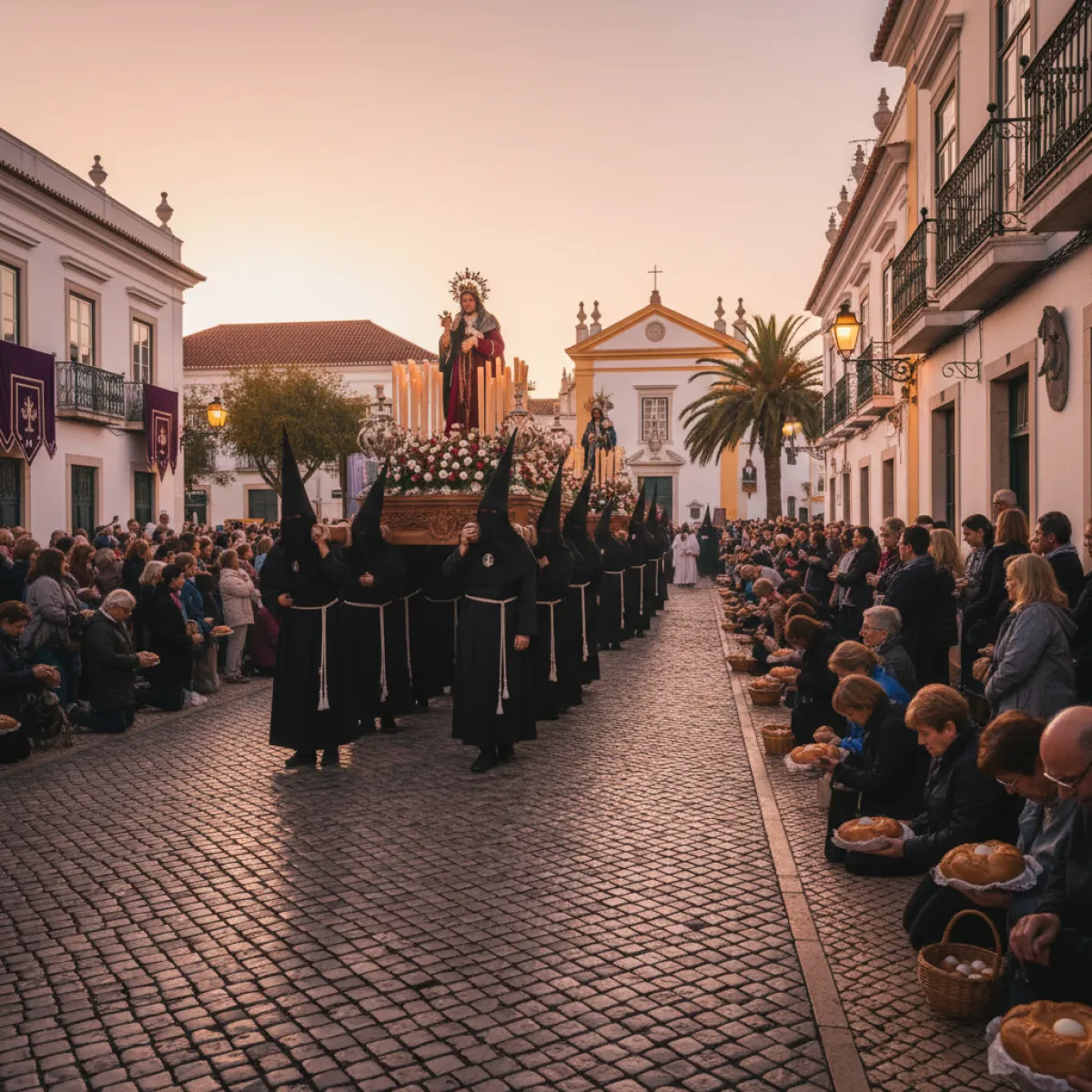
Most people think of the Algarve at Easter as beach holidays and early-season sunburns. Fair enough, but if that's all you see, you're missing the most compelling version of this region. On Good Friday afternoon in Faro's Old Town, when the bells of the Sé Cathedral mark the start of the Passion celebration and the cobblestone streets go quiet, you'll understand: the Algarve has a depth that the resort brochures will never show you.
The Calendar: What Happens and When
In 2026, Holy Week runs from March 29 (Palm Sunday) to April 5 (Easter Sunday). The key days, the ones with processions, ceremonies, and that particular atmosphere, are Holy Thursday, Good Friday, and Easter Sunday. If you only have a weekend, aim for Friday and Sunday. If you have the whole week, even better: you can alternate between faith and the Ria Formosa.
The Diocese of the Algarve publishes celebration schedules for every parish each year, check their website or ask directly at the churches. Times shift slightly from year to year, but the essentials haven't changed in centuries.
Good Friday in Faro: The City Stops
On Good Friday, Faro transforms. The Sé Cathedral, which has been the Algarve's cathedral since 1577, when Bishop Jerónimo Osório transferred the episcopal seat from Silves, hosts the Celebration of the Lord's Passion, usually in the early afternoon. It's an austere ceremony: no festive music, no flowers on the altar. Just the reading of the Passion and the silence of those present.
As evening falls, tradition brings the Procissão do Enterro do Senhor (Procession of the Lord's Burial). In Faro, the Brotherhood of the Misericórdia has maintained this tradition for centuries. Religious figures are carried through the narrow streets of the Old Town, lit by candlelight. If you've never witnessed a Holy Week procession in southern Portugal, the intensity will catch you off guard, this isn't staged for tourists, it's a collective expression of faith that has survived earthquakes, invasions, and modernity.
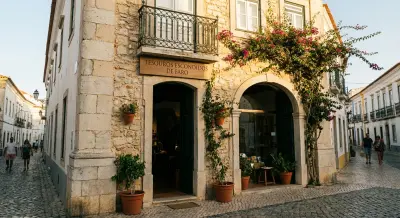
For those wanting to explore Faro beyond the religious celebrations, spend a morning discovering the hidden gems of Faro, the Old Town has corners that most visitors walk right past, from the Chapel of Bones to the Arco da Vila.
Where to Eat the Folar Algarvio (Seriously)
There's no Algarve Easter without folar. And the Algarvian folar isn't the same as the northern Portuguese version, forget about the meat-stuffed variety. Down here, folar is sweet: a dough perfumed with fennel seed and cinnamon, lightly sweetened, eaten at breakfast, at tea time, and, if nobody's watching, at eleven at night with a glass of moscatel. Every Algarvian family has their own recipe, and every Algarvian family is convinced theirs is the best.
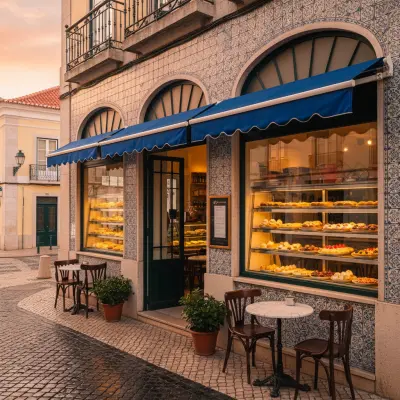
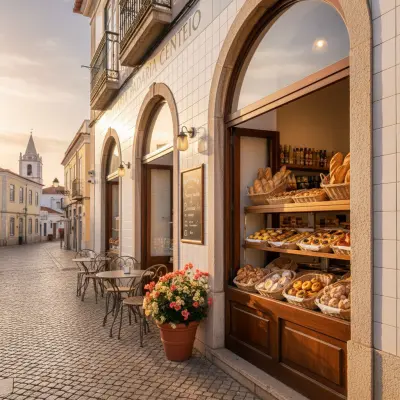
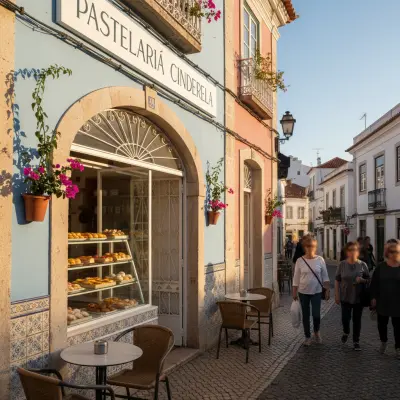
In Faro, traditional pastry shops prepare folar for the season. Pastelaria Gardy is a reference, it's not modern or Instagram-worthy, it's a neighbourhood pastry shop with decades of history and sweets that taste exactly as they should. Order the folar and, while you're at it, try the pastries. If Gardy is full (and at Easter it might be), Pastelaria Padaria Centeio is another solid option, it's a bakery and pastry shop, which means the folar comes straight from the oven right there. For a different setting, Pastelaria Cinderela is another Faro classic keeping the Easter pastry tradition alive.
Beyond folar, look for Easter almonds, the Algarve is almond tree country, and coated almonds (chocolate, sugar, and confectioned varieties) are part of the Easter tradition. You'll find them in any pastry shop and market.
São Brás de Alportel: The Flower Torches
If you can only attend one Easter event in the Algarve, make it the Festa das Tochas Floridas in São Brás de Alportel on Easter Sunday. There's nothing quite like it in Portugal.
The concept: men carry enormous flower-decorated torches through the streets, keeping rhythm with chants and refrains, while the ground is covered in petals and floral carpets. It's a folk expression of faith celebrating the Resurrection with colour, scent, and contagious energy.
The 2026 programme starts with street openings and a food showcase at 09:30, the Resurrection Mass at 10:00, and the Procissão da Aleluia at 11:00, that's the one you cannot miss. In the afternoon, the churchyard of the Igreja Matriz hosts folk music and regional snacks.
São Brás is just 20 minutes by car from Faro, via the N2 or A22 (São Brás exit). Go early, parking fills up fast and the best spots to watch the procession are claimed quickly. No tickets needed, everything is free and outdoors.
Loulé: The Mãe Soberana Descends
The Festa da Mãe Soberana in Loulé is considered the largest religious celebration south of Fátima. And it begins on Easter Sunday.
The Festa Pequena (Small Festival) happens at 5:00 PM: eight men dressed in white carry the heavy image of Nossa Senhora da Piedade from the hilltop hermitage down to the Church of São Francisco in central Loulé. The descent down the steep slope, with the Artistas de Minerva brass band setting the pace and the crowd shouting "Vivas!" and waving white handkerchiefs, is a moment of rare intensity. The Festa Grande follows two weeks later, with the image's return to the hilltop, that's when Loulé fills with thousands.
Loulé is 15 minutes from Faro via the A22. Combine the Tochas Floridas in the morning in São Brás with the Mãe Soberana in the afternoon in Loulé, and you have an unforgettable Easter Sunday, and a portrait of the Algarve that few tourists ever see.
What to Do in Faro Between Celebrations
Holy Week is also an excellent excuse to explore Faro at a relaxed pace. The weather in late March and early April is typically mild, between 17 and 22 degrees, and the city hasn't yet switched to summer mode.
In the morning, before celebrations begin, take a boat trip through the Ria Formosa. The lagoon is spectacular in spring, with migratory birds returning and the vegetation at its best. Trips depart from the quay near Jardim Manuel Bívar and last between ninety minutes and three hours depending on the itinerary, check times and prices locally, as they vary by season.
For those who prefer adventure, kayaking the Ria Formosa is the most direct way to reach the islands without depending on tour boats. It's a different experience, quieter and more intimate with the landscape.
To understand the cultural context behind all of this, why the Algarve celebrates Easter this way, what history lies behind these traditions, I recommend our guide to local culture in Faro, which digs deeper into the traditions you'll encounter during the week.
Practical Tips for Holy Week in the Algarve
- Accommodation: Book ahead. Holy Week is high season in the Algarve, not August levels, but prices rise and the best places sell out. Faro is the best base, with easy connections to São Brás, Loulé, and Tavira.
- Transport: A car is practically essential if you want to do the procession circuit. Faro Airport has direct flights from across Europe and car rental desks are right at the exit. Faro train station connects to the Algarve line, but weekend schedules are limited.
- Dress code: Processions are religious events. Formal attire isn't required, but avoid beachwear. A light jacket for evening processions is wise, early April nights still get cool.
- Photography: You can freely photograph outdoor processions, but use common sense, keep flash off and don't block the way. Inside churches, follow local guidance.
- Restaurants: On Good Friday, many Algarvians follow the tradition of not eating meat. Restaurants offer special fish and bacalhau menus. Don't be surprised if your usual restaurant has a limited menu that day.
Beyond Faro: Other Easter Traditions in the Algarve
If you have more time, the Algarve has Easter traditions scattered across the region. In Tavira, the Procissão do Enterro do Senhor departs from the Igreja da Misericórdia on Good Friday, Tavira is one of the towns where this tradition has its strongest expression. In several interior Algarve villages, Festas do Folar take place, genuine community celebrations with folar bread, music, and togetherness.
If you're planning to explore more of the Algarve during this period, our guide to Albufeira's traditions and festivals gives more context on how the rest of the region lives these celebrations. And if Lagos is on your itinerary, the Lagos neighbourhood guide helps you navigate the city corner by corner.
The Truth About Holy Week in the Algarve
There's a tendency to romanticise these traditions, to treat them as quaint, folkloric, "authentic." The reality is more interesting than that. The Holy Week processions in the Algarve aren't living museums or performances staged for visitors. They're real communities living a tradition that belongs to them, with the intensity and naturalness of people who've been doing this for generations.
That's exactly why it's worth going. Not to photograph something exotic, but to be present at a moment when an entire region, from fisherman to business owner, from grandmother to teenager, stops and shares something. In Faro, in the streets of the Old Town, with the smell of candles and fennel-scented folar in the air, you'll understand without anyone needing to explain it.