Easter in Tomar: Templar Knights, Processions, and Perfect Lamb
Forget the crowds in Braga; Easter in Tomar is an intimate affair of Templar history and wood-fired ovens. Discover where to find the perfect roast kid and why the Friday night procession remains the most visceral experience in the Ribatejo region.
The Austere Elegance of Ribatejo's Heart
Forget the Baroque flamboyance of Braga for a moment. If you want to understand the raw, unpolished essence of a Portuguese Easter, you need to board a train at Lisbon's Santa Apolónia and head north to Tomar. The city of the Knights Templar doesn't just stage its faith; it wears it like a suit of armor, shaped by the stones of the Convent of Christ and the steady flow of the Nabão River. Arriving here on Maundy Thursday is like stepping into a narrative where time hasn't stopped, but rather slowed to a more meaningful pace.
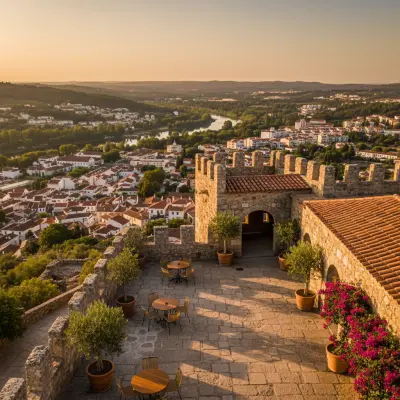
My first ritual is always the same: the climb. While the tourist buses discharge their passengers at the main gate of the Convent, I take the side path toward the Miradouro do Castelo de Tomar. From this vantage point, the city’s logic becomes clear. Below lies the grid-like historic center; surrounding it, the dense greenery of the Mata dos Sete Montes. At 9 AM, the only sound breaking the silence is the bell of the Church of São João Baptista down in Praça da República. If you are integrating Tomar into a broader journey, it’s a non-negotiable stop on any Portugal Itinerary: A Week in the Heart of the Country, providing the medieval context that many coastal routes lack.
Good Friday: The Procession of Silence
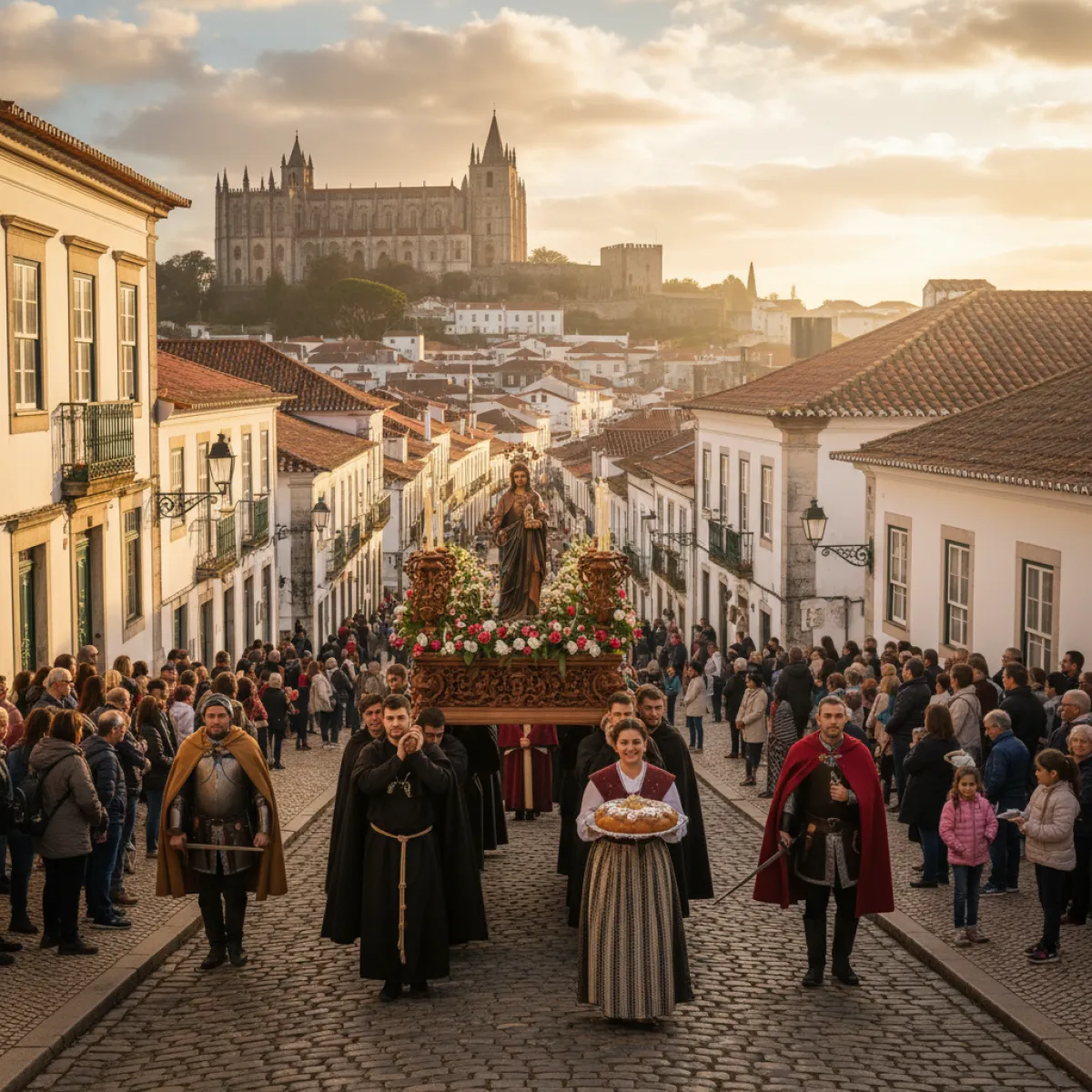
The climax of Holy Week in Tomar isn't a celebration, but a profound silence. The "Enterro do Senhor" (Burial of the Lord) procession on Good Friday night is a visceral experience. Put your phone away. When the streetlights are extinguished and Rua Serpa Pinto, known to locals as the Corredoura, is lit only by torches and hand-held candles, the atmosphere thickens. The scent of burning beeswax mixes with the cool night air, and the rhythmic clatter of wooden ratchets replaces the church bells. It’s a choreography of shadows crossing the old bridge over the Nabão, reflected in the still waters near the Mouchão Garden.
For those on a longer trek, perhaps following The Measured Pace: A Seven-Day Passage from Lisbon to Porto via the Ria, the shift from Lisbon's cosmopolitan energy to Tomar's solemnity is striking. It’s a similar pivot one feels when visiting Coimbra: The Grammar of Time in Portugal’s Intellectual Capital, though Tomar feels more grounded in the soil than the academic heights of the Mondego.
What to Order: Templar Fare and Egg-Based Alchemy
You cannot live on spirituality alone, and Easter in Tomar is a feast for the discerning palate. Easter Sunday is dedicated to *cabrito* (roast kid). Avoid the restaurants with laminated English menus on the main square. Instead, look for Casa das Ratas for a rustic tavern experience or Restaurante O Tabuleiro for the real deal. The meat should be falling off the bone, roasted in wood-fired ovens with potatoes that have soaked up every drop of fat and rosemary-scented juices. Expect to pay between €25 and €30 for a meal that will make you rethink everything you thought you knew about roast lamb.
But the true alchemical secret of Tomar lies in its sweets. Do not leave without trying the *Fatias de Tomar*. They are cooked in a unique, locally invented copper pot, steamed for hours and consisting of nothing but egg yolks and sugar. The texture is impossible to describe, spongy, damp, and intensely rich. Visit Pastelaria Estrela de Tomar or Colonial for the authentic version. Also, try the "Beija-me Depressa" (Kiss Me Quick). The name is kitsch, but the almond and egg filling is world-class.
Practicalities and Local Intelligence
Tomar is easily reached by train (Intercidades or Regional), and the station is a five-minute walk from the center. If you drive, don’t even attempt to park in the historic core during Holy Week. Use the large lot near the Municipal Market; it’s free and will save your sanity.
The Convent of Christ entry is €10, and while the Manueline window is the star, the real magic is in the cloisters, there are seven of them, each with a different mood. However, the best of Tomar is free: walking along the river, watching the wooden waterwheel at Mouchão Park turn, and feeling the weight of the Templar legacy. If you have a car, drive 5 minutes to the Aqueduto dos Pegões. It’s a massive 17th-century aqueduct that most tourists miss, and you can actually walk along the top if you don't suffer from vertigo.
- When to go: Arrive by Maundy Thursday to see the city's transformation.
- What to avoid: Any restaurant right on the Praça da República on Easter Sunday lunch unless you have a reservation made weeks in advance.
- Pro Tip: The local *folar* bread is different here, sweet and spiced with cinnamon and anise, rather than the savory versions found in the north. Buy one at Padaria Rosa to take home.