Decoding Lagos: The Local Events That Actually Matter
Forget the obvious tourist maps. In Lagos, the true pulse of the city is felt during the midnight dip of Banho 29 and the smoky chestnut stalls of the São Francisco Fair.
The Real Pulse of Lagos
Lagos is not a museum piece or a theme park designed for outsiders. It’s a city with an internal clock that doesn’t tick to the rhythm of yacht schedules in the marina, but rather to traditions that stubbornly survive Algarvian gentrification. If you want to know the city, forget July. The real Lagos reveals itself when the tourist dust settles or when the locals decide the streets belong to them, and no one else.
To navigate this human geography, the Lagos Neighborhood Guide: Discover Every Corner of This Algarve Gem is your survival map. But to understand what makes these people tick, you have to look at the calendar. There are moments in the year when Lagos stops being a destination and starts being a community. That’s where the magic, the real stuff, not the brochure version, happens.
August: The Ritual of Banho 29
If there is one event that defines Lagos, it’s Banho 29. Forget generic music festivals you can find in any European capital. On the night of August 29th, Lagos returns to its roots. Tradition dictates that a midnight dip is worth 29 baths and washes away all evils. Long ago, country folk would arrive in carts with wine and food for their annual encounter with the ocean.
Today, the setting has changed, but the spirit remains. There are bonfires on Meia Praia, snacks that smell of the sea, and, of course, the collective plunge. It’s a spectacle of social democracy: from ten-year-old kids to eighty-year-old grandfathers, everyone hits the cold Atlantic water under the moonlight. If you’re in town, don’t watch from the sidelines. Grab a bottle of local white wine, some cheese from the Traditional Shops of Lagos, and join the crowd at Praia da Batata. Cost? Zero. Value? Incalculable.
October: The Pragmatic Fair of São Francisco
When the heat begins to fade and the terraces on Rua 25 de Abril are no longer packed with people ordering industrial sangria, the Feira de São Francisco emerges. It’s the fair of fairs. Located in the grounds near the stadium, this is where Lagos shows its most practical and least cosmopolitan side.
Don’t expect delicate trinkets for tourists. Here, you buy everything: from heavy-duty leather boots to fruit trees for the backyard, from garden furniture to cured cheeses that smell for miles. It’s the perfect place to see the interaction between the coastal Algarve and the deep inland Algarve. Insider tip: find the 'farturas' stalls, the original Portuguese doughnuts, fried to order, and don’t leave without a bag of roasted chestnuts, the season’s first. It’s noisy, chaotic, and utterly authentic. If you’ve already explored the Local Culture in Faro: Traditions and Experiences of the Authentic Algarve, you’ll notice that while the spirit is similar, Lagos has a more relaxed, maritime vibe.
Lagos Sweets: Art in Sugar and Almond
You can’t talk about events in Lagos without mentioning 'Arte Doce' (Sweet Art). Usually held in July, this competition and fair celebrates the best of almond and egg-based confectionery. The Dom Rodrigo is the absolute king. Forget the supermarket versions. A real Dom Rodrigo from Lagos must be moist, with perfectly defined 'fios de ovos' (egg threads) and that hint of cinnamon that lingers in your memory.
Walk through the stalls and look for the women who still make these sweets by hand, molding almond paste into flowers or animals. It’s a work of patience that contrasts with the fast pace of summer. This is the kind of detail that separates a superficial visit from a real experience. A word of advice: avoid the opening days; they are a chaos of queues. Go mid-week, in the late afternoon, when the light hits the city walls just right.
Spring: Solemnity and the Sea
Easter in Lagos is a moment of introspection before the summer madness. Processions through the historic center, with the muffled sound of drums and the scent of incense, turn the narrow streets into a stage from another time. It’s an excellent time for a Boat Trip Along the Caves and Coast of Lagos; the sea is calmer, the light is softer for photography, and there isn’t the endless line of boats vying for access to Ponta da Piedade.
Compare this experience with the Local Culture in Albufeira: Traditions, Festivals and the Algarvian Soul and you’ll see that Lagos maintains a more classic tone, less focused on pure entertainment. Here, tradition still matters not because it’s profitable, but because it’s part of the land’s identity.
Practical Tips for the Traveler
- When to go: For traditional festivals, late August or October. For gastronomy, July (Arte Doce).
- Costs: Most street events are free. A meal at an event like Feira de São Francisco (roasted chicken or a bifana) will cost between €8 to €12.
- How to get there: Lagos' historic center is walkable. During Banho 29, parking is almost impossible; use peripheral lots and walk in.
- What to avoid: Overly modern food courts during these festivals. Look for where the locals are queuing, that’s usually where the food is real and the price is fair.
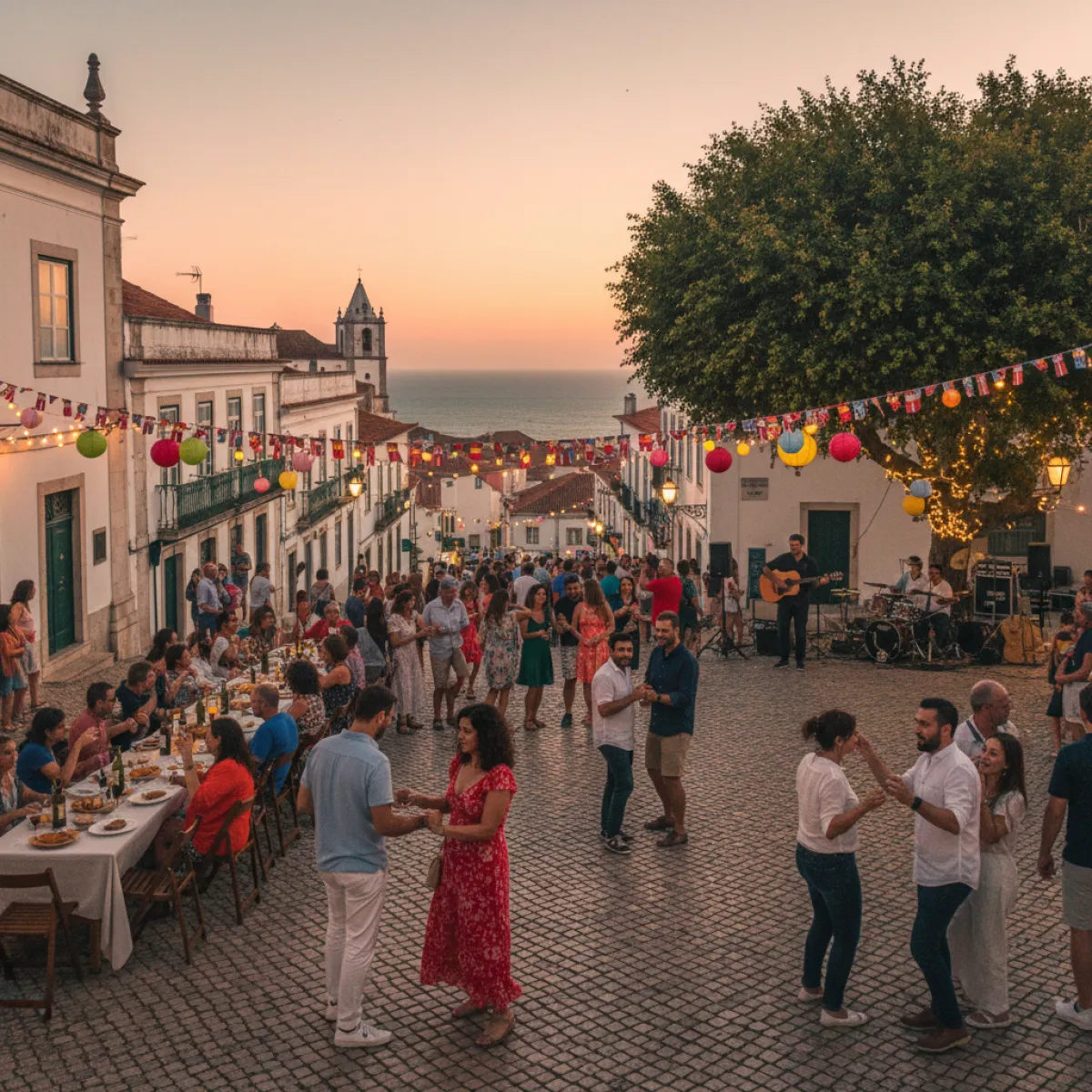
Lagos is a city of contrasts. It can be cosmopolitan by day, but at night, during a traditional event, the weight of history and the scent of the sea reclaim their place. Don’t just come for the beach; come for the people and the moments when the city decides to celebrate itself. It’s in that organized chaos that you’ll find the true Algarve.