Belmonte Market Crawl: Buy, Taste, and Skip
At Belmonte's market, cheese still comes wrapped in cloth, alheira carries 500 years of Jewish history, and nobody tries to sell you an experience. An honest guide to what's worth buying, tasting, and skipping in this Serra da Estrela village.
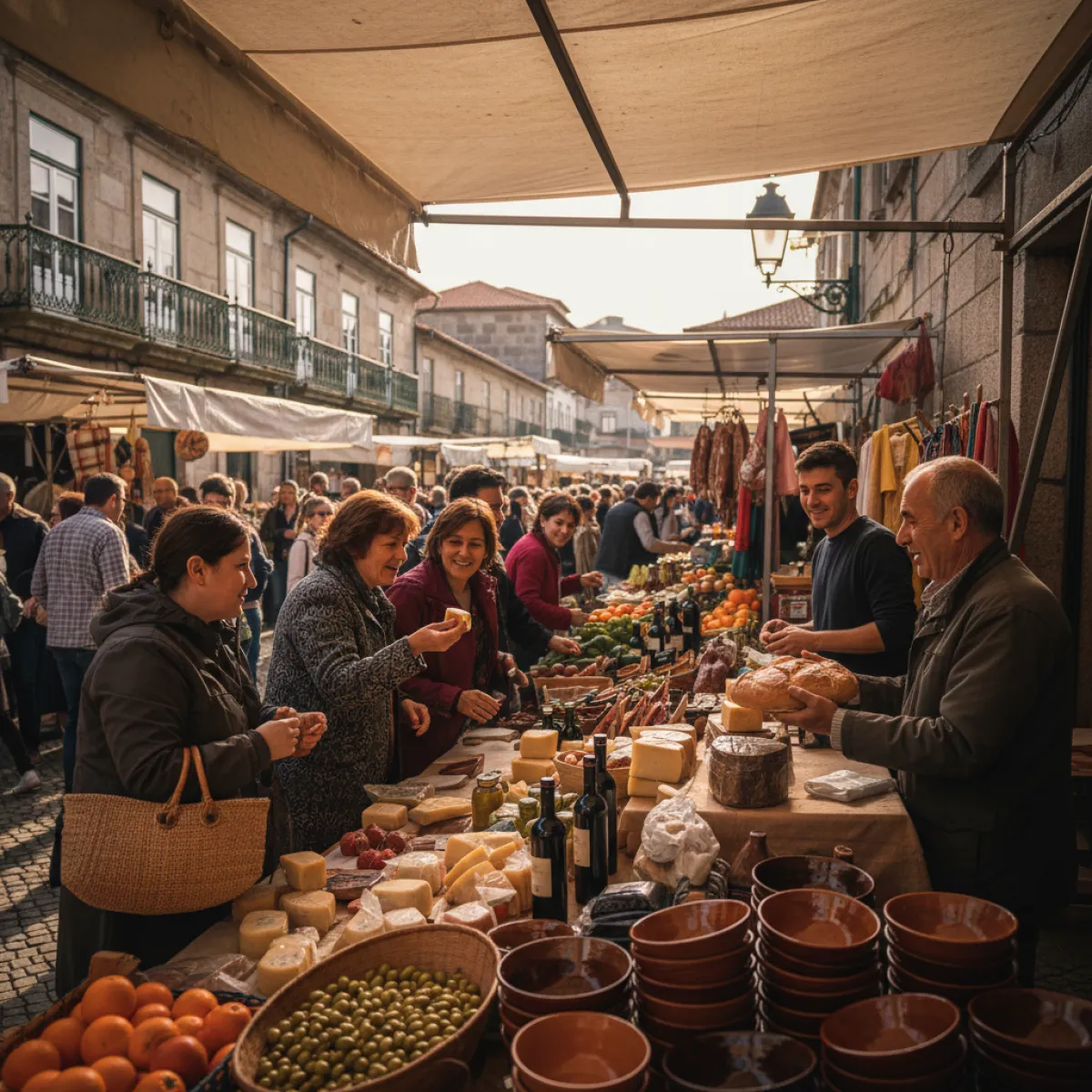
Belmonte won't show up on anyone's shopping itinerary. There are no design stores, no concept shops, no one hawking tote bags with inspirational quotes. That's precisely why the market is worth your time. Commerce here works the way it did decades ago: a woman in an apron sells you fresh cheese for two euros, a man in a flat cap lets you taste his aguardente without asking for anything in return, and nobody tries to sell you a curated experience.
The Municipal Market: where it starts
The Mercado Municipal de Belmonte sits on Largo dos Bombeiros Voluntários, a name that tells you everything about the village's scale. It's small. Don't expect a Mercado da Ribeira or anything close. Expect half a dozen stalls with local produce, a persistent smell of fresh herbs and coriander, and the kind of commercial honesty that vanished from cities years ago.
If you're in Belmonte on the first or second Monday of the month, you'll catch the weekly fair in the same square. This is when things get interesting. The stalls multiply, producers from the surrounding Serra da Estrela hills turn up, and parking becomes a genuine problem in a village that usually has more spaces than cars.
What to buy (seriously)
Queijo Serra da Estrela
Don't leave Belmonte without a cheese. Queijo Serra da Estrela DOP is made between November and April from raw sheep's milk using thistle rennet. When it's good, it's one of the best cheeses on the planet: you cut off the top and the inside oozes out, creamy and intense. When it's bad, it tastes like old rubber.
The difference is the producer. At the market, look for cheeses without fancy packaging. The best ones arrive wrapped in cloth or brown paper. Ask if it's their own production. If the answer is a shrug and a "well, they're my sheep," you're in the right place. Expect to pay between 10 and 20 euros for a whole cheese, depending on size and ageing.
Serra honey
Serra da Estrela is beekeeper territory. Heather honey, dark and intense, is the most interesting variety. Rosemary honey, milder, works well if you just want to sweeten your tea without drama. Buy directly from producers. Jars between 5 and 8 euros are standard. Above 12, someone's charging you for the label.
Cured meats, with a historical footnote
Belmonte is home to one of the last crypto-Jewish communities on the Iberian Peninsula, people who kept their faith in secret for over 400 years. That history lives in the cured meats. The alheira, a sausage made with bread and poultry instead of pork, was born as a survival strategy: Jewish families hung them on their doorways to deceive inquisitors who looked for houses without pork sausages as evidence of hidden Judaism. If you want to go deeper into this story, a private tour of Belmonte's Sephardic community is one of the best things you can do in the region.
Buy alheiras at the market. Fry them in olive oil with a fried egg on top. It's a three-euro plate that beats most tasting menus.
Beira Interior olive oil
The region produces olive oil with protected geographical indication. It's not as famous as Alentejo oil, but the good ones are exceptional: fruity, with a bitter green almond finish. At the market, expect bottles of a litre between 8 and 15 euros. Taste before buying. Any decent vendor will let you dip a piece of bread.
What to taste on site
Roast kid goat
Serra da Estrela is kid goat country. Roasted in a wood-fired oven with potatoes and rosemary, it's the dish that defines Beira Interior cooking. It isn't sophisticated. It doesn't need to be. In Belmonte, ask at local tascas if they have cabrito. On fair days, you're more likely to find it.
Ervilhas com ovos
A dish attributed specifically to Belmonte. It looks simple, and it is. Stewed peas with poached eggs on top, generous olive oil, garlic. It's the kind of food nobody puts on Instagram but that you eat to the last spoonful, in silence, with bread to mop up the sauce.
Bolos de soda
A Belmonte specialty, made with baking soda and aguardente. They're not pretty. They're irregular, dry on the outside, and taste like something made by someone who doesn't measure ingredients precisely. If you find them at the market, buy them. They're cheap and pair with coffee better than most Portuguese sweets.
What to skip
"Artisanal" products with too much packaging. If the label has more design than the product has flavour, walk away. Belmonte is not the place to buy gourmet jams with Port wine reductions. That's for airport shops.
Serra da Estrela cheese out of season. If you're in Belmonte in July or August, any fresh cheese sold as "Serra" is suspect at best. Traditional production runs November to March. What's sold in summer is either industrial or has spent too long in cold storage. Check locally.
Generic souvenirs. Fridge magnets, plastic tiles, miniature roosters. Don't buy junk when you can take home a jar of honey that'll last months and remind you of this mountain range every time you sweeten your tea.
After the market
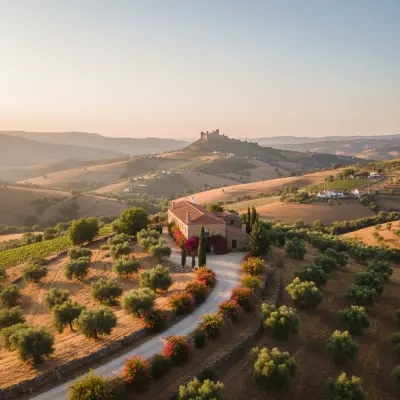
Belmonte has more going on than it seems. The castle is real, not a tourist reconstruction, and the view over the valley is worth the ten-minute climb. The Jewish quarter, centred around the old synagogue, is one of the few places in Portugal where you feel the weight of 500 years of religious resistance without anyone trying to sell you an overpriced ticket.
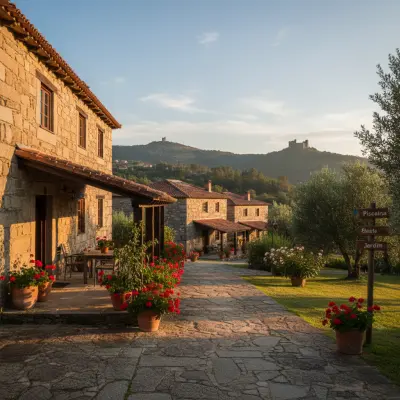
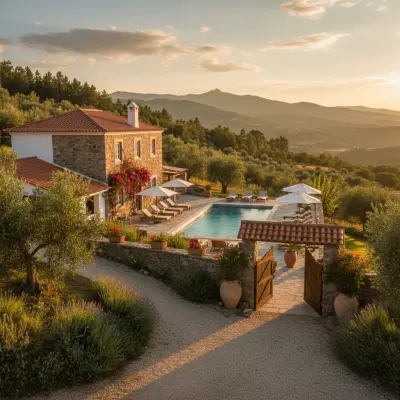
If you stay more than a day, and you should, there are solid options. Kazas do Serado is rural tourism done right: no excess, no giant TVs, no marble lobbies. TheVagar Countryhouse works for anyone who wants more isolation and waking up with the mountains outside the window. And Quinta do Rio has the advantage of being near the Zêzere river, which on hot days makes all the difference.
From Belmonte, Serra da Estrela is right there. If you have a car, Manteigas is under an hour away, and the Snow Wells trail is worth the drive if you like hikes with history. To the south, Fundão is cherry country, and seeing the cherry blossoms on the Gardunha slopes between March and April is a spectacle that justifies the trip on its own.
When to go
The best time for Belmonte's market is between November and March. That's when the cheese is in season, the honey is fresh, and the cured meats have just been made. The first and second Monday fair is when you'll find the most producers. Arrive early. By 10am the best stuff is gone.
If you're driving, park by the square and explore on foot. Belmonte is small enough to walk in half an hour but interesting enough to keep you all day. Bring an insulated bag if you want to take cheese home without your car smelling like sheep for a week.
That's it. No pretensions, no filters, no "immersive gastronomic experiences." A market in a Beira Interior village where you still buy food from the people who make it. If that doesn't appeal to you, Belmonte isn't your place. If it does, go next Monday.