Almada's Beaches: Where to Go, When to Skip Crowds
Thirteen kilometres of beach and half of Lisbon fighting over the first 500 metres. Costa da Caparica has far more to offer if you know where to go. This guide tells you exactly when to arrive, which beaches to pick, and what to do in Almada once you leave the sand.
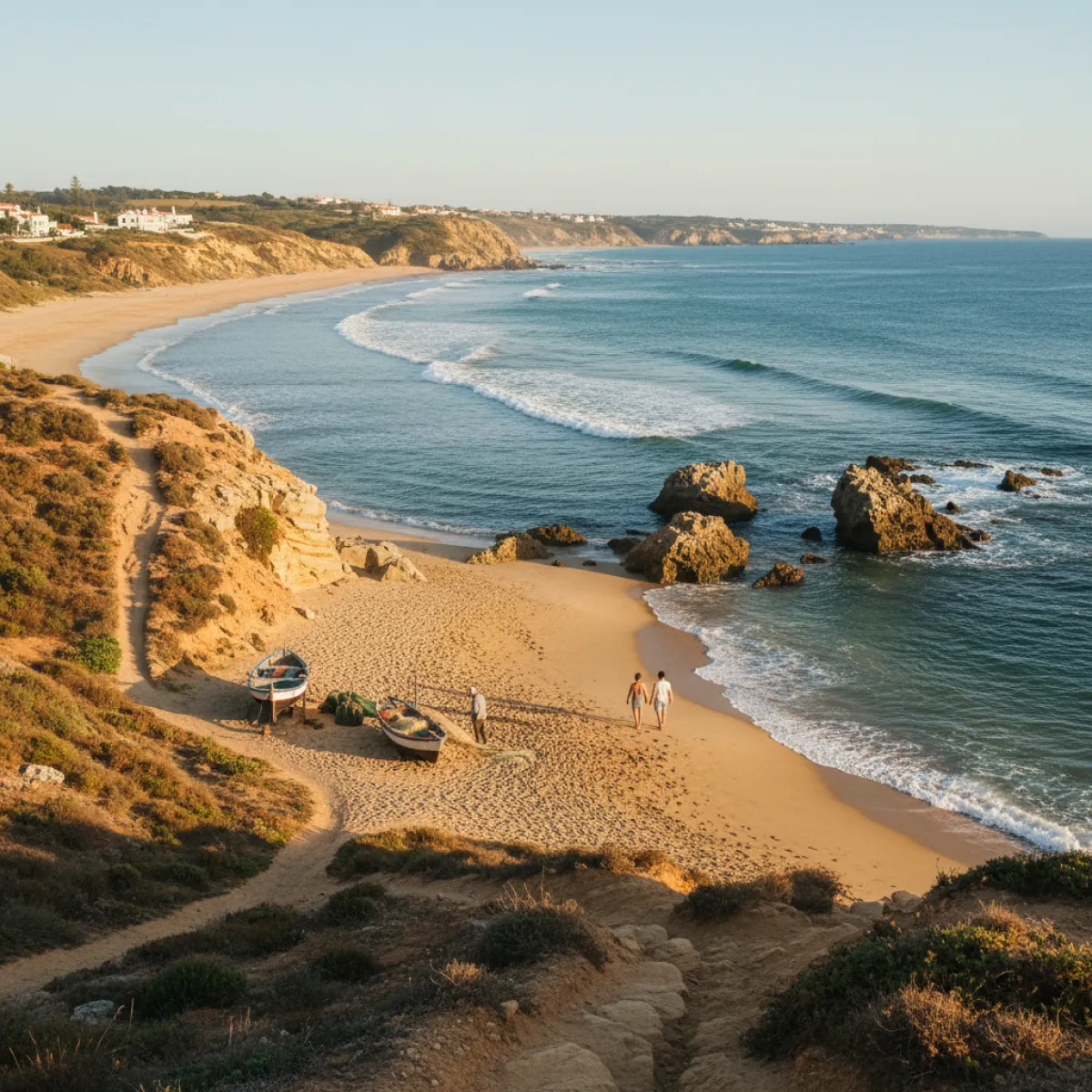
Let's cut to it: Costa da Caparica is one of the best stretches of sand in Europe. Thirteen kilometres of beach, consistent surf, cold-but-honest Atlantic water, and a sunset that makes the ocean look oil-painted. But from June to September, half of Lisbon crosses the 25 de Abril Bridge to pile onto the first 500 metres of sand. The trick isn't to avoid Almada. It's knowing exactly where and when to show up.
The geography nobody explains
Costa da Caparica works like a corridor. The northern beaches, closest to the town centre, are the most accessible and therefore the most packed. Praia de São João, Praia do CDS, Praia de Santo António: after 11am on a July Saturday, good luck finding a free square metre. The solution is simple: walk south.
The Transpraia, a small tourist train that runs along the coast in summer, is your best weapon. Catch it at the stop near the main car park and get off at the higher-numbered beaches. Praia da Mata, Praia da Riviera, Praia da Bela Vista: the further from town, the fewer people. The ticket costs a few euros and saves you a half-hour walk in the sun.
Praia da Fonte da Telha
If you want the most crowd-free experience without needing a car, Fonte da Telha is the destination. It sits at the southern end of Costa da Caparica, right on the Arriba Fóssil, a protected geological formation that prevents uncontrolled development. The result: fewer beach bars, fewer portable speakers, more space. The sand is wilder, the wind can be strong, but this is where locals come when they can't take the circus of the central beaches any longer. There's parking at the top of the cliff and a path down to the beach. Check access conditions locally, as erosion changes the trails.
The central beaches: what they're actually worth
I won't lie: the central Caparica beaches have their merits. Praia de São João has the best beach bars, with terraces where you can eat grilled fish with your feet in the sand. The area around the Costa da Caparica market buzzes with fishmongers and no-nonsense restaurants. The seafood rice at the beachfront restaurants is generally solid, but you pay tourist prices. If you want to eat well and spend less, go one street inland from the waterfront.
The secret to enjoying these beaches without losing your mind: arrive before 9:30am or after 4:30pm. By mid-morning, the TST buses start dumping people and chaos sets in. Late afternoon, the beach empties, the light turns golden, and the water temperature even seems more bearable.
Praia do CDS and surfing
Caparica is one of the best surf spots near Lisbon, and Praia do CDS is the epicentre. Several surf schools operate here year-round. A 90-minute group lesson typically costs between €25 and €40, equipment included. Even if you don't surf, it's worth watching: the level among locals is surprisingly good.
For surfers with some experience, the beaches further south, like Praia da Riviera, offer less crowd in the water. The peaks are beach breaks, so they shift with tides and sandbars, but the consistency of northwest swells guarantees waves almost year-round.
Praia de São João de Caparica: the crowd favourite
This is probably the most popular beach among families and groups of friends. And it makes sense: the infrastructure is good, there's lifeguard service during summer, the beach restaurants are accessible, and parking, though chaotic, exists. But that's precisely why it becomes impossible on weekends. My recommendation? Come during the week. A Tuesday or Wednesday in July at São João de Caparica is a completely different experience from a Sunday.
Beyond the sand: what to do in Almada off the beach
This is where Almada surprises. Most people treat Costa da Caparica as an extension of Lisbon and ignore everything between the beach and the bridge. Mistake.
The historic centre of Almada Velha, on top of the hill, has a view over Lisbon that rivals any miradouro in the capital. The Castelo de Almada, what remains of it, is a short free walk that very few people take. And Cristo Rei, of course, which needs no introduction. The climb to the top of the monument costs a few euros and the view from 80 metres is the kind that justifies the visit. Check the current price on the official website.
Almada after dark: cocktails and wine
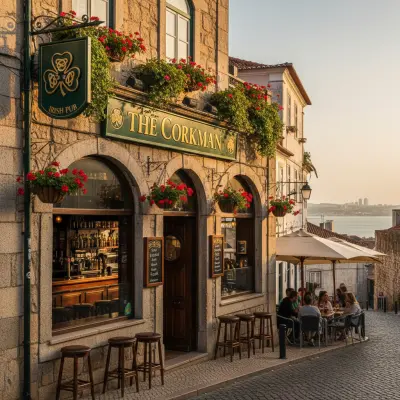
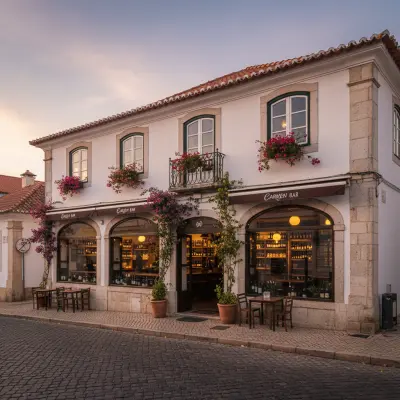
After a beach day, nightlife in Almada has more character than you'd expect. Ophelia Cocktail Bar is the kind of place where the bartender actually knows what they're doing. Author cocktails, a polished atmosphere, and a menu that changes with the seasons. If you prefer wine, Carmen Wine Bar is the right call: a well-curated Portuguese wine list, snacks that pair well, and a relaxed vibe that invites you to stay. And for those who just want a pint and a football match on the telly, The Corkman Irish Pub delivers without fuss.
Getting there and getting around
From Lisbon, there are two main ways to reach Costa da Caparica. The first is by car, over the 25 de Abril Bridge and then via the A2/IC20. It takes about 30 minutes without traffic, but on summer weekends it can easily double. The alternative, which I recommend, is the ferry from Cais do Sodré to Cacilhas, followed by the TST 135 bus to Costa da Caparica. The total journey takes 45 minutes to an hour, but you avoid the parking nightmare.
Another option is the 161 bus from Praça de Espanha directly to Costa da Caparica. It's practical, but on summer weekends it gets packed.
Within Costa da Caparica, the Transpraia is essential for reaching the southern beaches. It generally operates from June to September, but check locally for schedules and operating dates.
When to go: the honest calendar
June is the ideal month. Days are long, temperatures hover around 25-28°C, and school holidays haven't started yet. July is good on weekdays, chaotic on weekends. August is complete madness: avoid weekends unless you enjoy crowds. September is underrated: the water is at its warmest all year (still cool, but bearable), the crowds vanish, and the weather usually holds until mid-month.
For the more adventurous, Costa da Caparica in winter has its own appeal. The beaches are deserted, the sea is rough, and the town's restaurants serve fish stews and açordas that warm up any grey afternoon.
Worth the detour
If the beach day has left your body tense from sun and saltwater, consider a spa day at Costa da Caparica to recover. And if Caparica has whetted your appetite for more exploration in the Lisbon region, our guide to local culture in Lisbon is a good starting point for understanding what's across the river. For those thinking of extending the trip, Sintra is an hour's drive away and our Sintra neighbourhood guide covers every corner worth visiting.
The practical summary
- Best beach to avoid crowds: Fonte da Telha or any beach south of Praia 19
- Best beach with infrastructure: São João de Caparica (but come on weekdays)
- Best time to arrive: before 9:30am or after 4:30pm
- Best month: June or late September
- Recommended transport: ferry to Cacilhas + TST bus
- Estimated daily budget: transport (€5-10), beach lunch (€12-20 per person), Transpraia (a few euros)
Almada doesn't need marketing. It needs people to stop going to the same spot at the same time. Now you know how to do it differently.