Albufeira: Best Day Trips Nearby and How to Get There
The best thing you can do in Albufeira is sometimes leave Albufeira. Silves at twenty-five minutes, Lagos at forty-five, Monchique at nine hundred metres of altitude. An honest day-trip guide with motorways, tolls, and where to have lunch.
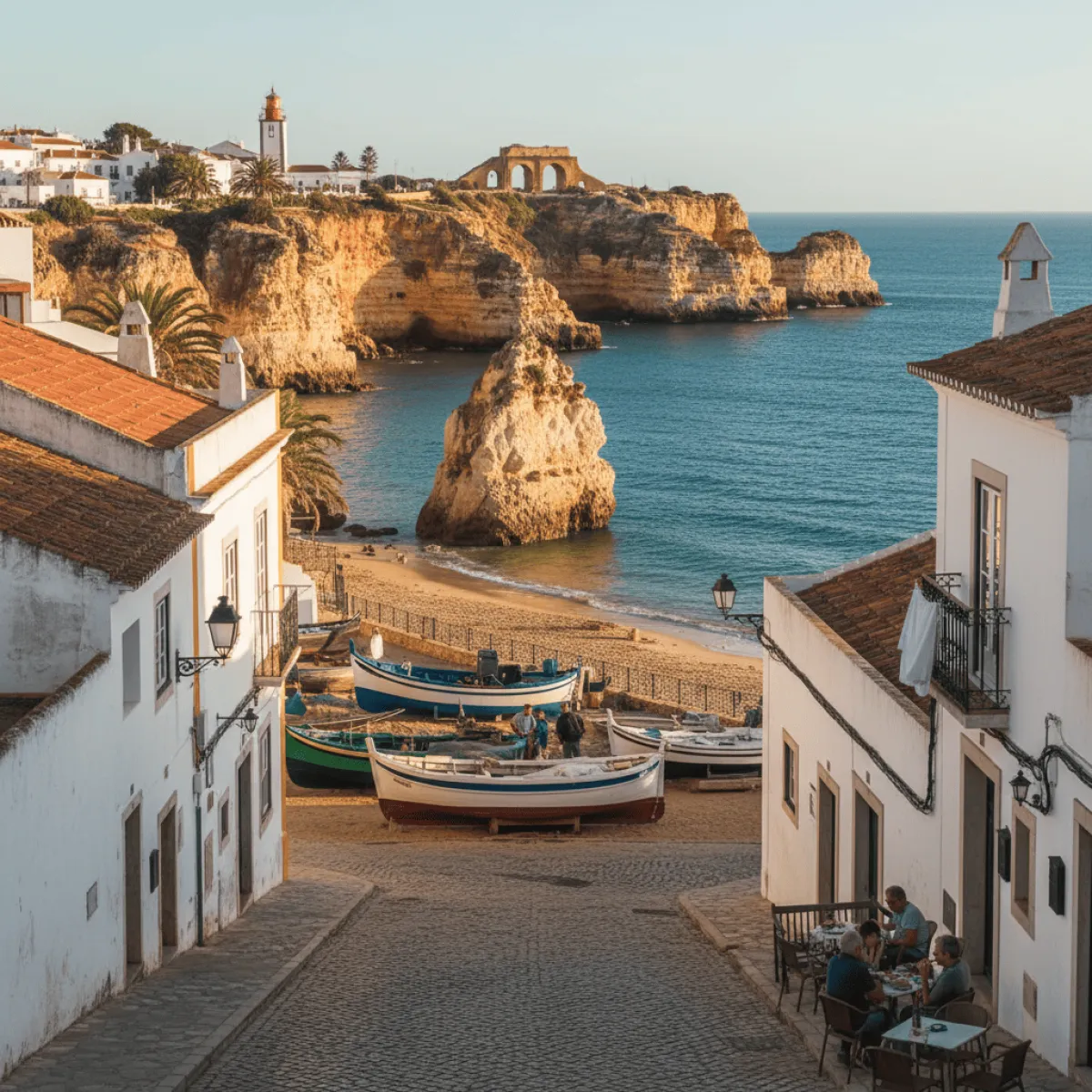
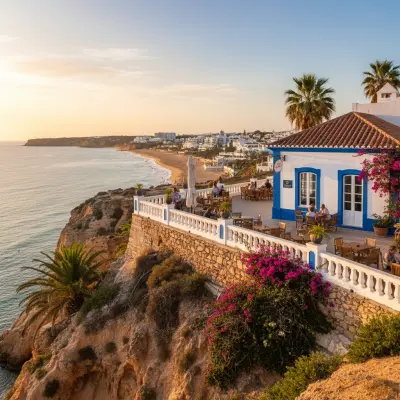
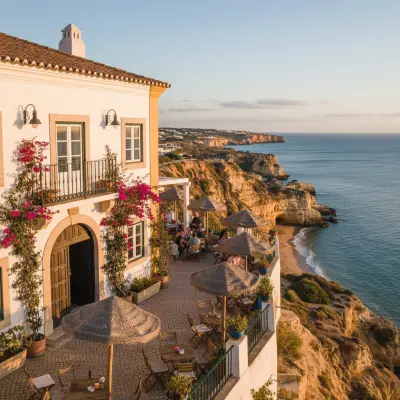
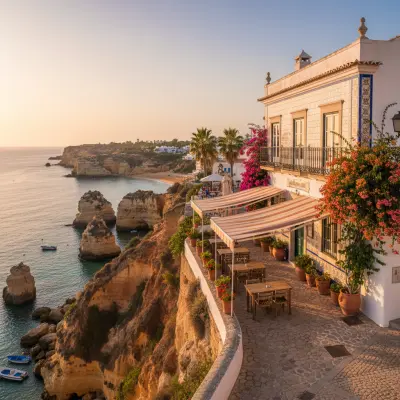
Here's an uncomfortable truth about Albufeira that no brochure will print: the best thing you can do here is sometimes leave. Don't get me wrong. The old town has that faded-tile charm that still works at nine in the morning, before the hotel crowds spill onto the cobblestones with flip-flops slapping. But the Algarve is a small region, and Albufeira sits inside a one-hour driving radius that covers almost everything that matters: forgotten Moorish towns inland, fishing villages that still smell of sardines and diesel, district capitals nobody visits because they think they're just the airport.
This guide is for people who've figured that out. For people who rented an apartment with a kitchenette in Olhos de Água and want to escape the hotel buffet at least three days a week. I'll tell you what to take, what to drive, where to park (yes, that matters), and where to eat when you get there. No padding.
Before You Leave: Use What's at Home
A note before I send you to the motorway. If you haven't done the Albufeira viewpoint circuit, don't leave town without it. The Miradouro do Pau da Bandeira is the official postcard, with ochre cliffs dropping onto the sand of Praia do Peneco. Do it at sunrise, before seven-thirty, and you'll have the place almost to yourself. Then walk down to the Miradouro Rossio, more discreet, with that bench shared by retirees who've been playing cards there for thirty years. To close the loop, the Miradouro Rua Latino Coelho is the most intimate of the three, perfect for late afternoon when the sun drops over the whitewashed rooftops.
If you'd rather see Albufeira in motion before your day trips, consider the Bikesul e-bike tour: it covers the cliffs, the beaches, and the old town without the sweat the topography would demand on foot. And on a rainy night, or on a day you don't want to leave Albufeira at all, there's the Portuguese cooking class at MIMO Algarve, worth the money just for learning to make proper seafood rice, not the tourist-canteen version.
Silves: The Moorish Capital Everyone Forgets
Silves is twenty-five minutes from Albufeira via the A22, tolls included (about two euros, use Via Verde if you can). By car it's the obvious route. By public transport, Vamus buses stop at the bus station, but they run spaced out and take almost an hour. Drive.
What makes Silves different from the rest of the Algarve is the colour. While the coast is white, Silves is red, terracotta everywhere, a direct inheritance from eight centuries of Moorish rule. It was the capital of Moorish Algarve, they called it Xelb, and it had more inhabitants than Lisbon in the twelfth century. Today it has sixteen thousand people and one of the best taverns in the south of the country.
Start at the castle. Entry around three euros (check locally), open nine to six in winter and until seven in summer. It's not the most spectacular castle in Portugal, but the red walls against the blue sky are worth the photograph, and the Moorish cisterns inside are genuinely impressive. Then walk down the main street to the cathedral, with that awkward mix of Gothic and Baroque that only makes sense in Portugal.
For lunch, skip the restaurants on the cathedral square. Try Café Inglês, yes the name is horrible, but the courtyard with its bougainvillea earns its keep. Or cross the old bridge and find the small tascas near the municipal market. Order grilled squid and a jug of house red. Don't order anything else. It's enough.
If you're travelling with kids, and this is a critical warning, wear sensible shoes. The cobblestones are murder with strollers. For an honest take on Silves in family mode, I recommend this honest family guide to Silves that covers the traps and the small victories.
Faro: The Capital Nobody Visits
Faro is forty minutes via the A22. Everyone passes through Faro, nobody stays. That's a mistake. Faro has the best historic centre in the Algarve after Tavira, a lagoon with pink flamingos, and the best bone chapel in the country south of the Tagus.
Start at the Cidade Velha, entering through the Arco da Vila, which has a stork nest on top year-round. Inside you'll find the cathedral cloister (entry around four euros, worth it just for the view from the tower over the lagoon), the municipal museum in a former Renaissance chapel, and narrow cobbled streets where cats sleep in doorways. It's small, you can walk it in an hour.
The real treasure is the Capela dos Ossos, attached to the Igreja do Carmo, outside the walls. One thousand two hundred and forty-five skulls of Carmelite friars arranged as wall mosaics. There's an inscription at the entrance that reads: "Stop here and consider that to this state you must come". Baroque memento mori in its purest form. Entry is symbolic, two euros and change.
For lunch, avoid the marina and head up toward the cathedral district, where small tascas hide in alley-like streets. Order tuna with onions, the most underrated dish in the Algarve. To understand the local cultural life beyond the tourist clichés, this guide to local culture in Faro is the best starting point I know.
Lagos: For the Day You Want Beautiful Sea
Lagos is forty-five minutes west via the A22. It's the Albufeira that Albufeira can't manage to be: a genuinely historic town with sixteenth-century walls still standing, breath-stopping beaches a five-minute walk from the centre, and a marina that doesn't feel like a nineties real-estate operation.
The basic plan: park at the stadium lot (free, twenty minutes' walk to the centre) or the paid lot near the marina (about a euro an hour). Walk up Rua da Barroca, cross Praça Gil Eanes with its eccentric statue of King Sebastian who looks like an astronaut, and head down to the municipal market. That's coffee time: order a bica and a pastel de feijão, which here tastes of marzipan and grandmother.
Then go to Ponta da Piedade. You can drive (parking difficult in August, easy in May) or walk along the coast, about thirty minutes with mandatory photo stops. The cliffs here are the most spectacular in southern Portugal, even better than Albufeira's, and saying that hurts a little.
For lunch, skip the seafront restaurants. Come back to the centre and try the tascas near the market. Grilled sardines if you're there June to September, red tuna out of season. If you want to understand the town like a local, not like a tourist passing an afternoon, this Lagos neighbourhood guide breaks the city into its four or five distinct characters. Worth reading in the car on the way back.
Olhão and Tavira: The Algarve That Still Works
Olhão is fifty minutes east, Tavira an hour and ten. Do both in the same day, it's perfectly doable, or pick one if you'd rather not rush.
Olhão is a fishing town that still smells of fish. The municipal markets, twin red-brick pavilions on the waterfront, open eight to noon, Monday to Saturday. Go on a Saturday morning. The left pavilion is fish (mackerel still jumping out of the ice box), the right one is fruit and vegetables. Ask the vendors to clean and gut your fish, they do it for free. Drive back to Albufeira with a cooler bag full.
Tavira is more polished, more touristy, but earns the trip. It has thirty-seven churches (twenty-one still active), a Roman bridge, and the Convento das Bernardas converted into apartments. The ferry to Ilha de Tavira leaves from Cais das Quatro Águas, round trip about two euros, and takes you to one of the widest, wildest beaches in the Algarve. If you go June to September, bring industrial sunscreen and water. There's no shade. There's one beach restaurant, it's expensive, bring sandwiches.
Monchique: The Mountain That Exists
For the days when the sea makes you nauseous, climb the mountain. Monchique is forty-five minutes on roads that wind through eucalyptus groves, then chestnut trees, finally reaching the nine hundred metres of Fóia, the highest point in the Algarve. On clear days you can see Lagos bay to the west and the Moroccan coast to the south, but check locally whether the Saharan haze isn't blurring everything.
The plan: early breakfast in Albufeira, drive to Caldas de Monchique, a small spa town tucked in a valley with century-old plane trees. You drink the spring water straight from the public tap, it tastes of copper and salt. Then climb to Monchique village, lunch on piri-piri chicken (yes, even inland, it's the local tradition) or goat stew, and finish at Fóia for sunset. Come back via Portimão, it gives you a circular route and saves the up-and-down.
How to Move: The Logistics Without Romance
Let me be blunt. Without a car, the Algarve is frustrating. CP trains run the Lagos-Faro-Vila Real de Santo António line, stopping at Albufeira-Ferreiras (note, the station is seven kilometres from the centre, there's a connecting bus). Schedules are reasonable at peak hours, miserable off-peak. Ticket to Faro around three-fifty euros, journey of forty minutes.
Vamus buses cover the rest, but with limited frequency and long times. For Silves, Monchique, Olhão, forget public transport if you're travelling with family or in any hurry.
Car rental: book ahead in August, there are weeks when the Faro rental depots run dry. Expect to pay between twenty-five and forty euros a day in low season, double that in August. Driving is easy, the A22 is almost always flowing, but watch out for the electronic toll motorways, some rental cars have their own systems, others force you to stop at payment points. Confirm at the counter.
Fuel: petrol is around one euro seventy a litre. Fill up before heading to Monchique, there are stations on the way but the detour costs you more than it saves.
Mistakes Not to Make
First: don't try to see Sagres and Cabo de São Vicente as a day trip from Albufeira in July or August. It's nearly two hours each way on roads that get congested. Do it in May, or sleep in Sagres.
Second: don't drive to Seville. I know you've considered it. Forget it. Three hours each way, and Seville in July is a forty-five-degree sauna. Save it for another trip.
Third: don't drive west on the A22 at sunset. Accidents happen for exactly this reason every day. Leave thirty minutes earlier or thirty later.
Fourth: don't eat at the restaurants facing the sea in fishing villages. They're there for tourists and they charge accordingly. The small tascas hidden two streets inland are half the price and twice the quality. This is the one general rule that works across the entire Algarve.
Albufeira deserves your days. But the rest of the Algarve deserves them too, and it's closer than you think.