Whale Watching in the Azores: The Start of the Great Migration
Witness the world's largest mammals as they pass through the Azores during their spring migration. Join a Futurismo expedition from Ponta Delgada to see Blue and Fin whales in their natural habitat.
Witnessing the Great Migration in the Mid-Atlantic
As spring settles over the Azores, the deep sapphire waters surrounding São Miguel island become a bustling highway for the world’s largest mammals. Known as the Great Migration, this period marks the transit of baleen whales from their winter breeding grounds in the south to the nutrient-rich feeding waters of the North Atlantic. For those standing on the docks of Ponta Delgada, it represents a rare window of opportunity to see creatures of mythic proportions in their natural habitat.
The most authentic way to experience this phenomenon is through Futurismo Azores Adventures. Operating out of the Portas do Mar marina, Futurismo has spent decades bridging the gap between tourism and marine biology. Their tours are not mere sightseeing trips; they are educational expeditions led by professionals who treat every sighting as a data point for conservation. During the peak months from March to June, the focus shifts from the resident sperm whales to the migratory giants: the Blue Whale, the Fin Whale, and the Sei Whale.
The Role of the Vigia: A Tradition Reborn
One of the most unique aspects of whale watching in Ponta Delgada is the use of "Vigias." Long after the era of commercial whaling ended, the Azores repurposed the skills of land-based lookouts. These expert observers sit in small towers along the coastline, scanning the horizon with high-powered binoculars. They can identify the distinct blow patterns of different species from miles away.
Before you board, the marine biologists at Futurismo provide a briefing that explains this system. You’ll learn that the boat doesn’t just wander aimlessly; it follows the precise instructions of the Vigia. This method significantly increases the success rate of sightings while reducing the time spent searching, which is less intrusive for the animals. Understanding this connection between the land and the sea adds a layer of cultural depth to the journey before you even leave the harbor.
The Experience: Meeting the Blue Giant
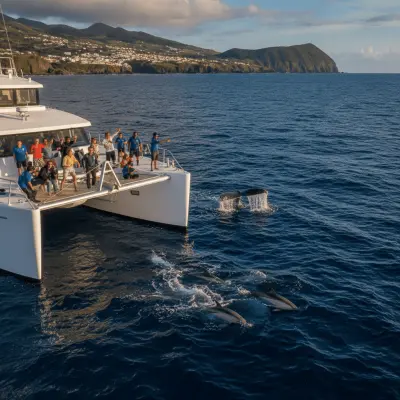
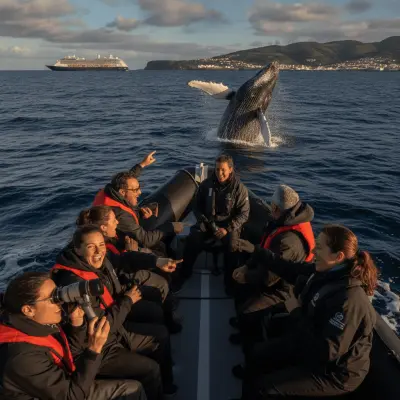
Leaving the Portas do Mar, the boat heads into the open Atlantic. The transition from the sheltered harbor to the rolling swells of the ocean is immediate. Depending on your preference, you might be on a high-speed RIB (Rigid Inflatable Boat) for a thrill-seeker’s perspective or a larger catamaran for a more stable platform. The air is crisp, and the anticipation builds as the biologist keeps a close ear to the radio.
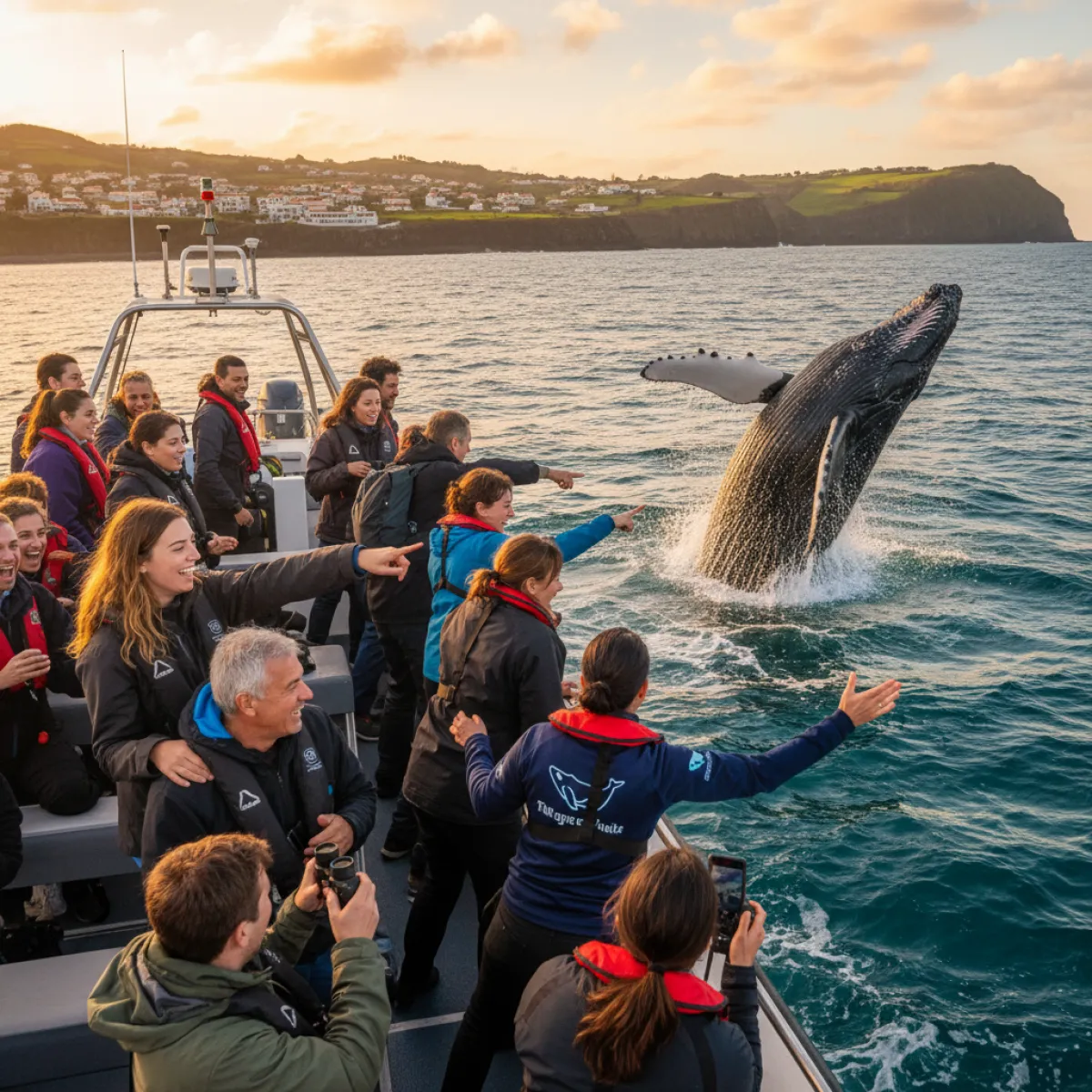
When a sighting occurs, the atmosphere changes. A Blue Whale, reaching lengths of up to 30 meters, is a sight that requires a few moments for the brain to process. The sheer scale of the animal, longer than three school buses, is humbling. You might first see the vertical spray of its blow, reaching nearly 30 feet into the air. As the boat approaches at a respectful distance, according to strict safety codes, the massive blue-grey back breaks the surface like an island in motion. Watching the smooth, muscular movement as it prepares for a deep dive is a masterclass in grace and power.
Practical Advice for Your Trip
Success on the water depends as much on your preparation as it does on the whales. The Atlantic can be unpredictable, and even on a warm day, the wind chill on a moving boat can be significant. Layering is the golden rule. Start with a base layer and always bring a high-quality waterproof jacket.
- Footwear: Wear rubber-soled shoes with good grip. The deck can get wet, and stability is key when moving to catch a glimpse of a whale.
- Photography: If you are bringing a camera, a telephoto lens (at least 200mm-300mm) is necessary. The boats maintain a legal distance from the animals, so you’ll want that extra reach to capture the details of the skin and fins.
- Sea Sickness: Even if you consider yourself a "sea dog," the swells around São Miguel can be tricky. Natural ginger supplements or local over-the-counter options from a Ponta Delgada pharmacy can save your day.
After a morning spent navigating the deep, you will inevitably return to shore with a sharp appetite. Ponta Delgada offers a wealth of dining options that reflect the volcanic nature of the soil and the freshness of the sea. To plan your post-expedition meal, we recommend reading The Volcanic Plate: A Gastronomic Trek through Ponta Delgada, which highlights the most authentic local eateries within walking distance of the marina.
Booking and Logistics
Futurismo’s half-day tours typically last about three hours and cost 70.00 € per adult. This price includes the expert guide services and a contribution to ongoing marine research. Tours depart twice daily, usually at 09:00 AM and 01:30 PM. It is highly recommended to book in advance during the migration season (April and May), as these spots fill up quickly with researchers and wildlife photographers from around the world.
Choosing a reputable provider like Futurismo ensures that your experience is ethical. The Azores are one of the few places on earth where whale watching is governed by such strict proximity laws, ensuring that these migratory paths remain safe for the giants for years to come. It is a profound privilege to be a guest in their blue world, even if only for a few hours.