Whale Watching in the Azores: The Season Kicks Off in Ponta Delgada
Experience the thrill of the spring whale migration in Ponta Delgada. Learn how to spot Blue whales with Futurismo, including expert tips on booking, what to wear, and the best time to visit the Azores.
The Great Atlantic Migration
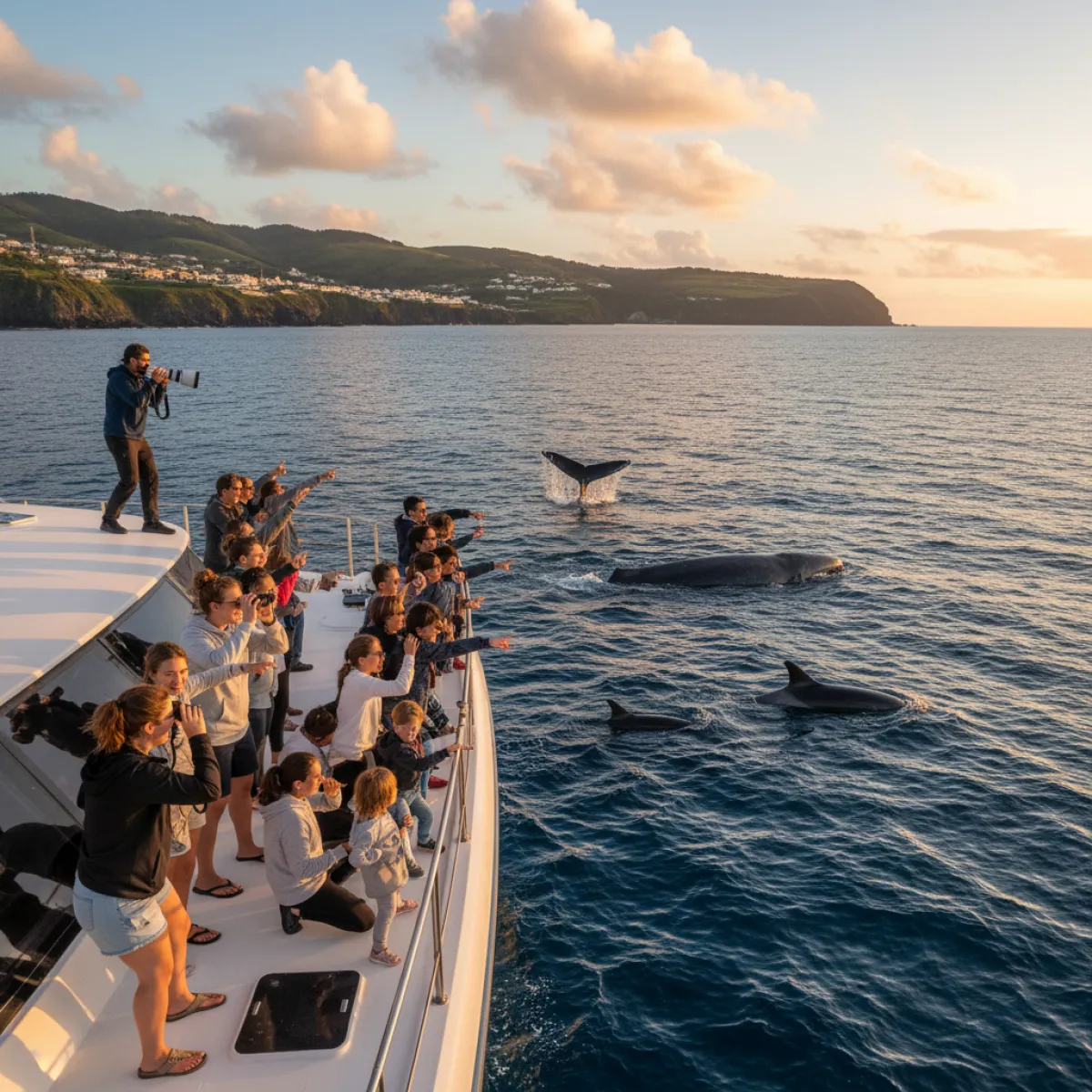
As spring settles over the North Atlantic, the waters surrounding the Azores archipelago become a theater for one of nature’s most impressive spectacles. In Ponta Delgada, on the island of São Miguel, this season signals the arrival of the great baleen whales. For travelers staying at local retreats like Herdade do Ananás, the proximity to the harbor makes it easy to join the early morning expeditions that often yield the best sightings of Blue, Fin, and Sei whales as they journey north.
Whale watching in the Azores is far removed from the mass-market tours found in other parts of the world. Here, the industry is built on a foundation of scientific observation and strict environmental regulations. The experience is designed to educate as much as it is to thrill, providing a rare window into the lives of these deep-sea giants without disrupting their natural behavior.
The Provider: Futurismo Azores Whale Watching
Futurismo is the primary operator for serious wildlife enthusiasts in Ponta Delgada. Established as a leader in sustainable marine tourism, they operate from their main check-in point at Portas do Mar (Shop 26), conveniently located in the city’s modern marina. What sets Futurismo apart is their dedicated team of marine biologists who lead every tour, collecting data for ongoing research while providing expert commentary to guests.
A standard half-day expedition lasts approximately 3 hours and is priced at €65 to €70 per adult. Children aged 6 to 11 receive a 50% discount, and infants under 5 go free. The price includes a pre-trip briefing, life jackets, and a sighting guarantee. If no whales or dolphins are spotted during your journey, the company offers a voucher for a second trip at no additional cost, ensuring that everyone has the chance to connect with the island's marine life.
The Experience Step-by-Step
The adventure begins on land with a comprehensive safety and educational briefing. In the Futurismo classroom, biologists use visual aids to explain which species are currently in the area and how the "vigias" (on-shore lookouts) assist the boats in finding them. These lookouts use high-powered binoculars from coastal towers to spot the distinctive blows or splashes of whales miles away, a method that dates back to the historical whaling era but is now used exclusively for conservation and tourism.
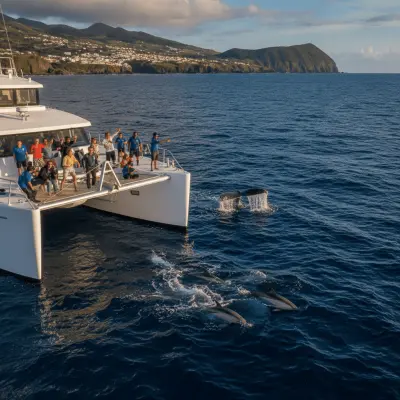
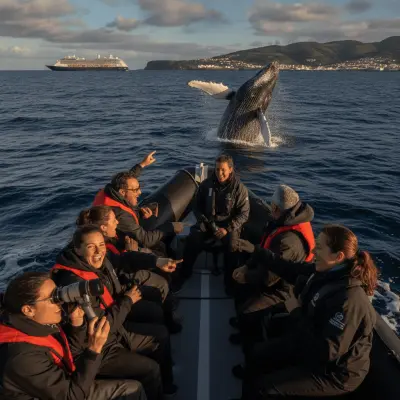
Once briefed, guests board either a large, stable catamaran or a high-speed RIB (Rigid Inflatable Boat). The catamaran offers more amenities, including bathrooms and a bar, making it the preferred choice for those who value comfort. The RIB, on the other hand, is for the adventure-seeker; it sits low in the water and can move quickly between sighting locations, providing a more visceral connection to the ocean.
As the boat navigates into the open sea, the excitement builds with every radio call from the vigias. The biologists help guests distinguish between the different types of "blows" and teach how to identify species by their dorsal fins or fluke patterns. During the spring migration, it is not uncommon to see multiple species in a single trip, ranging from the resident sperm whales to the massive blue whales that can reach up to 30 meters in length.
Practical Tips for Your Trip
The Atlantic can be unpredictable, even on a sunny day. The temperature drops significantly once the boat is at speed, so dressing in layers is essential. A waterproof jacket is highly recommended, as sea spray is common, particularly on the RIB boats. Footwear should be flat and provide good grip on a wet deck.
If you are prone to motion sickness, take a preventative remedy at least 30 minutes before departure. Once on the water, try to stay in the center of the boat where the motion is least felt and keep your eyes fixed on the horizon. Sunscreen and polarized sunglasses are also vital; the sunglasses not only protect your eyes but also help cut through the surface glare, making it easier to see the animals underwater.
For those looking for a peaceful base to return to after a morning on the water, accommodations such as Quinta da Abelheira or Quinta da Casa Grande provide the perfect blend of traditional Azorean charm and modern comfort, set amidst lush gardens just outside the city center.
Beyond the Sea
After three hours of scanning the horizon, you’ll likely return to shore with a newfound appreciation for the ocean, and a healthy appetite. Ponta Delgada’s culinary scene is the perfect place to decompress. Our guide, The Volcanic Plate: A Gastronomic Trek through Ponta Delgada, offers curated recommendations for the best local eateries where you can enjoy traditional Azorean flavors in the heart of the city.
Booking and Best Time to Visit
While whale watching is a year-round activity in the Azores, the migratory season from late March to early June is the only time you can reliably see the great baleen whales. Tours should be booked in advance via Futurismo’s official website (www.futurismo.pt) to ensure availability, especially during the spring months when demand is high. Early morning departures (9:00 AM) are often preferred as the sea conditions tend to be calmer than in the afternoon.