Olhão Ferry to Ilha da Armona: What to Expect
The public ferry runs from Olhão to Armona in 15 minutes for around 4 euros return. Take the morning boat: fewer people and better light over the lagoon. One warning: tickets are sold only at the dock kiosk, often cash only.
There is one mistake almost everyone makes the first time they take the ferry from Olhão to Armona: they show up five minutes before departure and find the ticket office already closed. Tickets are sold only at the kiosks by the dock, they open around 30 minutes before each crossing, and payment is usually cash only. Write that down if you have to. It is the only catch in a trip that is otherwise one of the best ways to spend a day in the Algarve with no car, no stress, and for less than the price of a coffee on a Lisbon terrace.
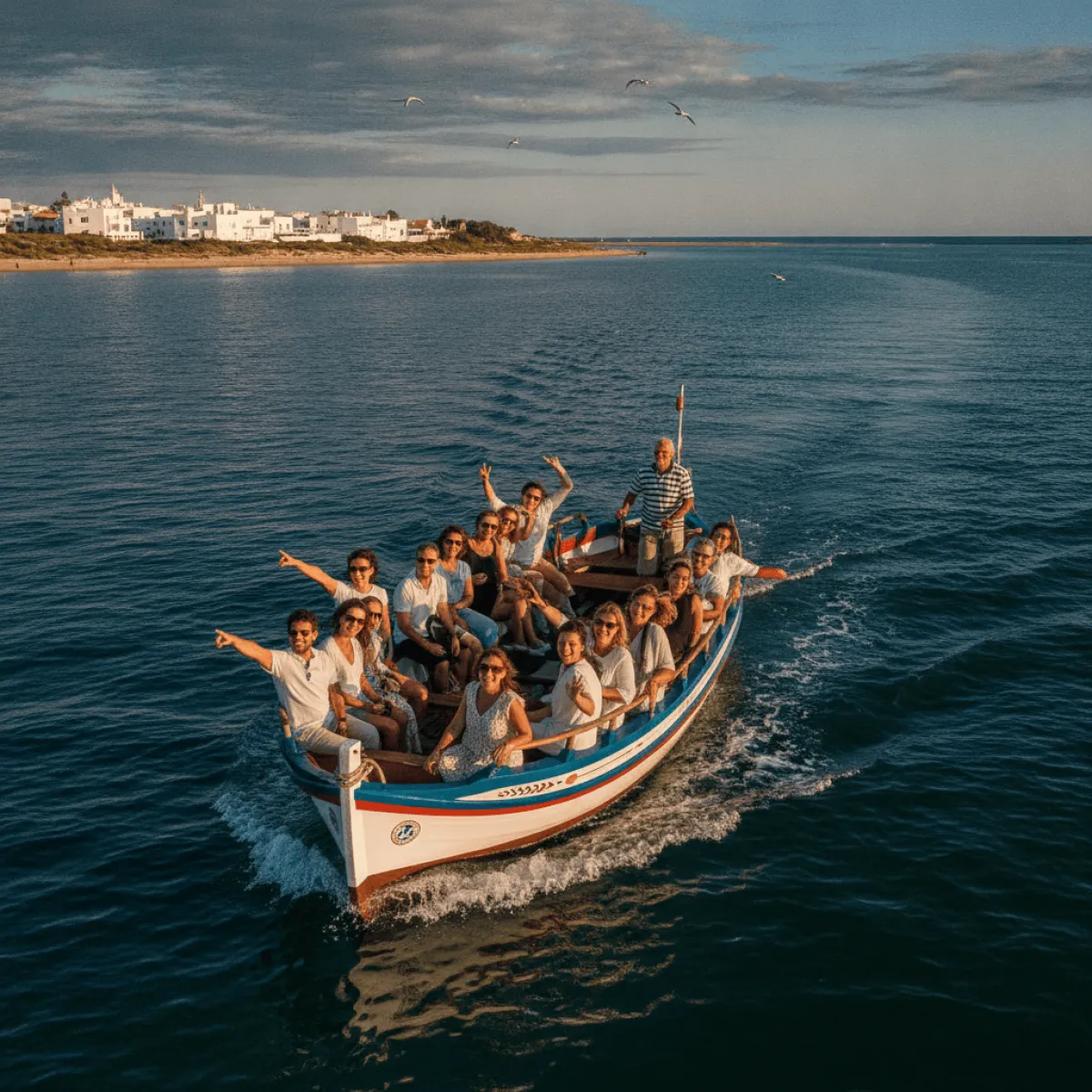
The public ferry line leaves from Porto de Recreio de Olhão, the recreational marina right next to the two red-brick municipal markets, off Avenida 5 de Outubro. This is the carreira, the regular scheduled boat that links Olhão to the Ria Formosa islands: Armona, Culatra and Farol. It is not a guided tourist cruise, it is real transport, used by island residents, fishermen and people with holiday houses out there. And that is exactly what makes it good.
What it costs and how it works
A ticket to Armona costs around 2.00 euros per adult one-way and roughly 4.00 euros return (fares get small updates, so confirm directly with the provider). Children aged 4 to 10 pay half. The service is run by Barcos da Carreira de Olhão, and the official, up-to-date timetables live on the Amo-te Olhão site and in the NextFerry app, which shows departures by date and time. For the ticket office, the number is +351 964 123 878.
Frequency swings hugely with the season. In winter (October to March) there are typically four crossings a day, with an early departure around 08:30 and a late-afternoon return. At the height of summer, July and August, there are more than twenty daily crossings and you barely need to plan: turn up and there will be a boat soon. In the shoulder months of May, June and September you get the best of both worlds, plenty of boats and an empty island.
The crossing, minute by minute
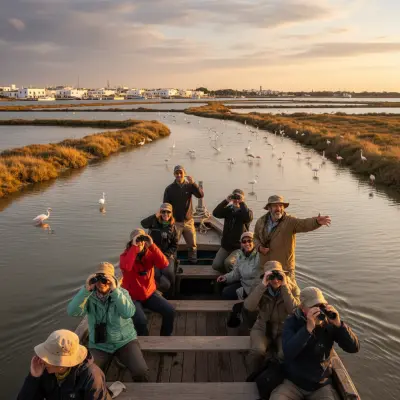
Do not be fooled by how short it is: 15 to 20 minutes on the water, but 15 minutes that earn their place. The boat pulls out of the marina and cuts across the Ria Formosa channel, that maze of salt marsh, mudflats and tidal creeks that changes shape with the tide. Sit on the right-hand side on the way out if you can. It has the better view of Olhão shrinking behind you, all flat-roofed cubist houses and the church tower marking the skyline. If you have not yet climbed the Torre da Igreja Matriz de Nossa Senhora do Rosário, save it for another day: you will recognise the whole lagoon from up there after this crossing.
The best time to go? The morning session, no contest. The light on the water sits lower, herons and spoonbills feed on the exposed mudflats at low tide, and you reach the island before the midday crowd. There is a second lovely window in the late afternoon, with the return run heading into the sunset, but by then you are sharing the boat with everyone who spent the day on the beach.
What to do once you land on Armona
Armona is a long spit of sand with no cars and no big hotels, just a cluster of low houses, a handful of restaurants and sandy paths between them. The dock is on the lagoon side, the calm side, and the ocean beach, the one truly worth the trip, is on the far side. It is about a 10 to 15 minute walk across the island on a boardwalk and sandy trails. Wear shoes you do not mind filling with sand, or just go barefoot like the regulars do.
On the lagoon side the water is warm, shallow and clear, ideal for families with small children. On the open-sea side you get surf, golden sand stretching for kilometres, and a quiet that vanishes on the Algarve's more famous beaches. There are beach bars for a simple grilled-fish lunch, but if you plan to stay all day bring water and some food, especially outside high season when many places close.
Practical tips that make the difference
- Bring cash for tickets. The kiosk does not always take cards, and you do not want to miss a boat over it.
- Photograph the return timetable as soon as you arrive, or check it in the app. Missing the last boat means paying for a water taxi, which is fast but far more expensive.
- Check the tide. At low tide the crossing can take a little longer and the lagoon side almost drains, great for birdwatching, less good for swimming.
- Hat, sunscreen and water. There is little shade on the island and summer heat here is serious.
- Get to the ticket office early, especially in August. The first morning departures fill up fastest.
How to fit this into a day in Olhão
The crossing is short, so it pairs well with a morning in town. Start with coffee and a proper breakfast: Cantaloupe Cafe is a safe bet a few minutes from the dock, as I explain in the guide to Olhão's coffee and brunch scene. Then walk down to the marina, catch the morning boat and spend the day on the island. If you still have energy at the end of the day, the Miradouro do Cerro de São Miguel hands the whole Ria back to you from above, every island lined up at sunset. To understand the cubist town you leave behind at the dock, the guide to Olhão's urban archaeology is the best travel companion.
It is one of those experiences that costs almost nothing and stays with you far longer than it should. A plain little boat, fifteen minutes of water, and on the other side an island where time slows down. Always confirm the day's timetable before you go, and bring cash. The rest takes care of itself.