Historic Horta: A Walking Journey Through Faial’s Layers of Time
Discover Horta’s fascinating history on a walking tour with Endemic Azores. From the superstitious murals of the marina to the legacy of global telegraph cables, explore Faial through the eyes of local experts.
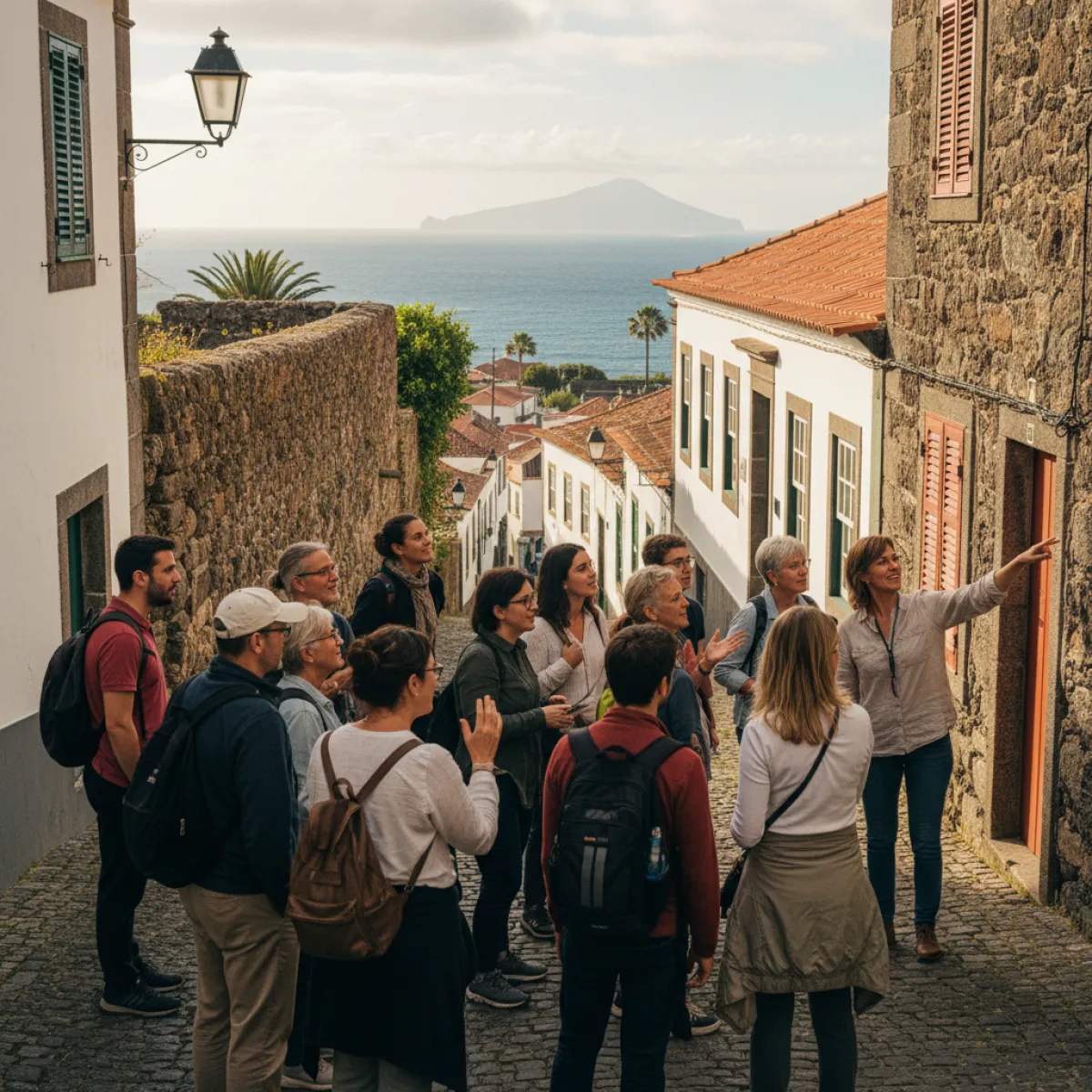
Uncovering the Soul of the Atlantic’s Crossroads
Walking through Horta is like reading a living history book where the chapters are written in basalt, tiles, and the salt-spray of the Atlantic. Unlike many other island capitals, Horta has never been a secluded outpost; it has functioned for centuries as a vital bridge between continents. To truly grasp the significance of this small city, the cultural walking tour offered by Endemic Azores is an essential experience. Led by professionals with a background in local history and science, the tour peels back the layers of Horta’s complex identity.
The journey typically begins at the waterfront, where the influence of the sea is inescapable. For those looking to maximize their time on the island, our guide 24 Hours in Horta: Cosmopolitan Soul in the Heart of the Atlantic provides the perfect framework for understanding how this walking tour fits into a broader Faial itinerary.
The Marina: A Gallery of Superstition
The first stop is the world-renowned Horta Marina. This is not just a place for boats to dock; it is a sprawling outdoor art gallery born from sailor’s lore. Your guide will explain the tradition where every crew must paint a mural on the harbor walls to ensure divine protection for their onward journey. Walking past these colorful testimonies, you see names of vessels from every corner of the globe, reinforcing Horta’s status as the most international city in the Azores.
The Telegraph Era and Architecture
As you move inland, the architecture begins to reflect the city’s economic booms. The tour highlights the period of the submarine telegraph cables. At the turn of the 20th century, Horta was one of the most important communication hubs in the world. Companies from the UK, USA, and Germany built grand residential and administrative complexes here. The influence of these expatriate communities is still visible in the city's layout and the cosmopolitan flair of its older districts. To appreciate how these historic buildings sit within the city's topography, check out Atlantic Vantage: The Finest Rooftops and Panoramic Views in Horta for the best perspectives on the skyline.
The Dabney Legacy and Porto Pim
The walk then leads towards the iconic bay of Porto Pim. This area is deeply connected to the Dabney family, American consuls who arrived in the 1800s and transformed the island's economy and culture. The tour includes insights into their involvement in the whaling industry and the local wine trade. Standing on the sands of Porto Pim, looking towards the whaling station, you feel the weight of a history that balanced industrial progress with the raw power of the ocean.
Practical Information and Booking
- Provider: Endemic Azores
- Website: https://endemicazores.com
- Pricing: €50 per person (for groups of 2–3); €80 for solo travelers.
- Duration: 3 to 4 hours, depending on the group's pace.
- Meeting Point: Usually at the Horta Marina or a central hotel pickup point.
What to Bring and Best Time to Visit
Preparation is key for any outdoor activity in the Azores. We recommend wearing sturdy walking shoes with good grip, as the traditional Portuguese pavement (calçada) can be uneven and occasionally slick. A light rain jacket is a must, even if the sky looks clear when you set out. The tour includes a tasting of a local sweet, but carrying a bottle of water is always advisable.
Booking in advance is highly recommended, especially during the summer months when the island sees more visitors. The morning slots are generally better, as the air is fresher and the lighting on the historic facades is ideal for photography. This tour isn't just a walk; it's an immersion into the stories that made Horta the unique, open-minded harbor it remains today.