Cork Trekking in Redondo: Watch the Harvest Up Close
Herdade da Maroteira in Redondo offers 2-hour guided walks through cork oak forests, with the chance to watch tiradores stripping bark between June and August. One of the Alentejo's most authentic cork experiences, half an hour from Arraiolos.
I'll be upfront: I could not verify a specific organised cork harvesting experience based in Arraiolos itself. But less than 40 km away, in Redondo on the slopes of the Serra d'Ossa, there's one of the best ways to get into the world of Portuguese cork, Corktrekking at Herdade da Maroteira.
What Is Herdade da Maroteira
Herdade da Maroteira is a 330-acre estate that has belonged to the same Anglo-Portuguese family for over five generations, since the mid-19th century. The farm has always centred on cork and cattle, and in recent decades added vineyards producing the award-winning Cem Reis wine. Philip Mollet, the current owner, developed the Corktrekking experience as the estate's main tourism offering.
What You'll Actually Do
There are three formats, all roughly two hours long:
- Cork Trekking on foot, a guided hike through the montado (cork oak forest), with stops to explain the lifecycle of cork oaks, local flora and fauna, and a climb to a 360° panoramic viewpoint over the serra.
- 4x4 Jeep tour, an off-road route through the estate's dirt tracks, good for those with limited mobility or who prefer less physical effort.
- Classic Land Rover tour, same route in a vintage vehicle, with extra charm.
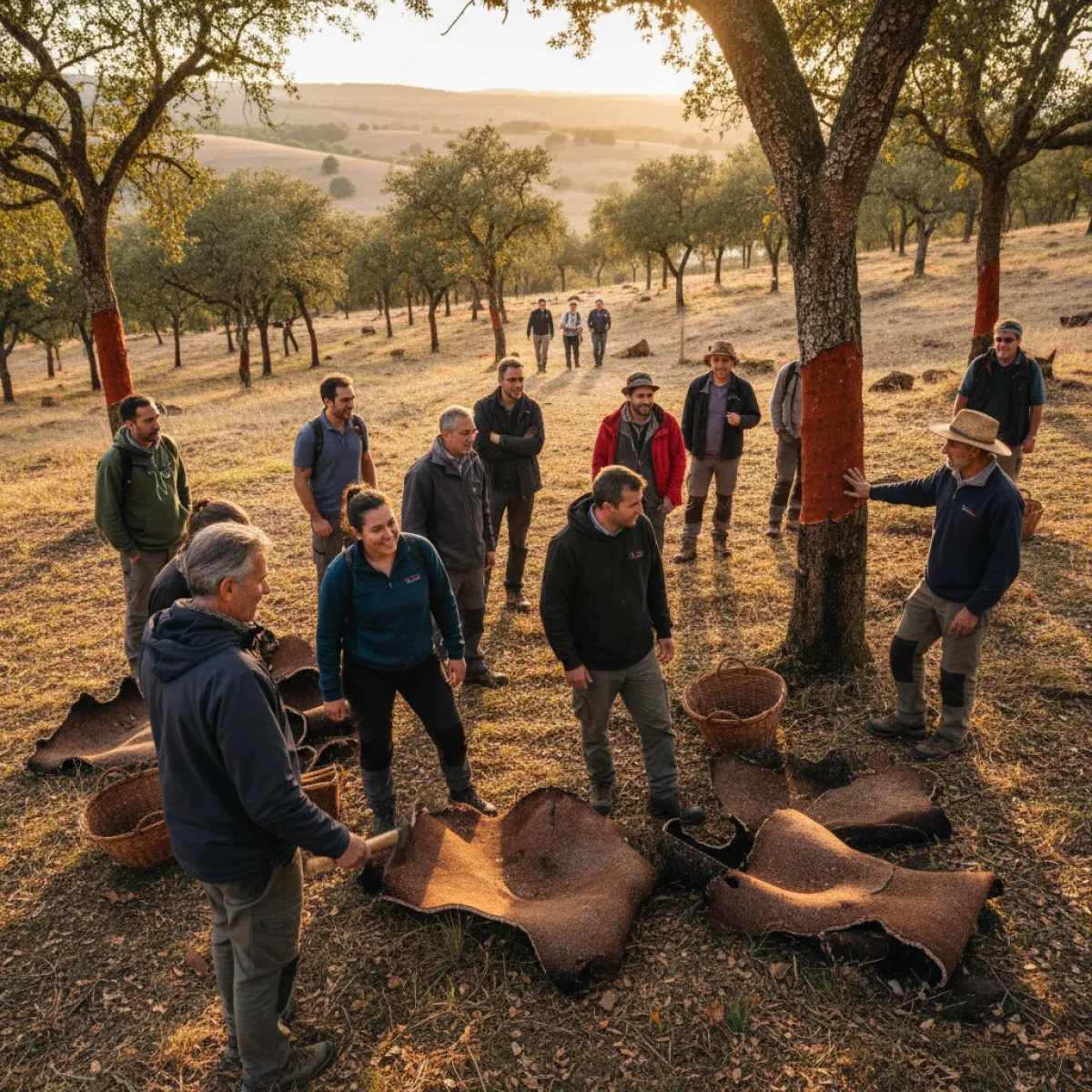
If you visit between June and August, cork stripping season, there's a real chance of watching the tiradores at work. These specialists operate in pairs, one on the ground and one in the tree, using handheld axes to peel the bark from the trunk without damaging the living tree. It's work that takes years to master and remains one of the best-paid rural jobs in Portugal. But note: the tiradores' presence depends on the estate's harvesting schedule. Confirm directly with the operator whether your visit coincides with active cork stripping.
What Makes This Worth Doing
What sets Corktrekking apart from a cork factory visit (those exist too, in the Algarve and elsewhere) is context. You're on a working estate with active production. The cork oaks around you have numbers painted on their trunks, the last digit of the year they were last stripped, and the guide explains how to read that numbering system, why the first cork (the "virgin" bark) isn't suitable for wine stoppers, and how a single cork oak can produce cork for 150 years or more.
The best moment of the walk, for me, is reaching a freshly stripped cork oak. The exposed trunk is an intense orange-red that darkens over the following months. If you catch it fresh, you'll understand why the Portuguese call the process "undressing" the tree, the trunk looks genuinely bare.
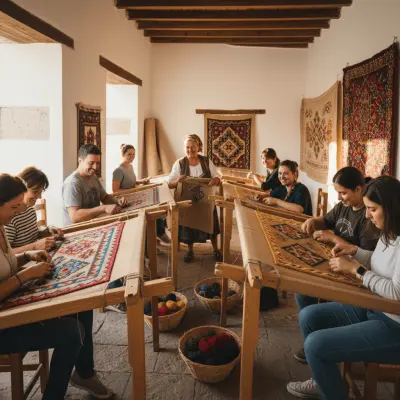
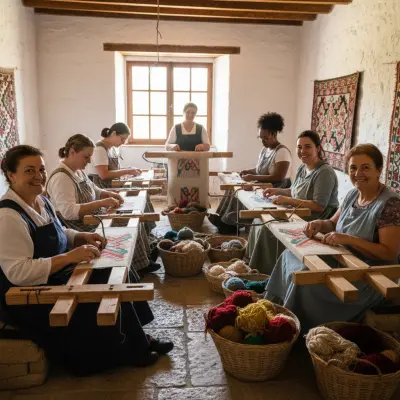
If you're planning an Alentejo trip, Arraiolos is only half an hour away and famous for its carpets, it's worth exploring the tradition of Arraiolos carpet-making on the same day. And if you extend your trip to central Portugal, the Historic Villages in spring pair well with this kind of rural immersion.
Practical Information
- Provider: Corktrekking / Herdade da Maroteira
- Location: Zona Industrial de Redondo, Rua Aldeias de Montoito, lote 77, 7170-128 Redondo
- Duration: ~2 hours
- Price: From €35 per person (packages with Alentejo lunch and wine tasting cost more, check current rates on their site)
- Booking: Required 1-2 days in advance at corktrekking.com
- Languages: Portuguese and English
- RNAAT Registration: No. 699/2016
What to Wear and Bring
- Closed, comfortable shoes, the terrain is uneven with stones and roots.
- Hat and sunscreen. In summer, inland Alentejo easily exceeds 40°C.
- Water, bring more than you think you'll need.
- The hike isn't demanding but there's some elevation gain on the way to the viewpoint.
Getting There
Redondo is about 30 minutes from Évora and two hours from Lisbon via the A6. There's no practical public transport to the estate, you'll need a car. Parking is on the property.
Best Time to Go
To see the tiradores: June to August, preferably in the morning (afternoon heat makes the work impossible and the tiradores stop). For the montado walk without extreme heat: April-May or September-October, when the light is beautiful and you can hike without suffering.