Blue Whale Watching in Ponta Delgada: Meeting the Giants
The Blue Whale migration through the Azores is the absolute peak of Spring in Ponta Delgada. With the help of cliff-side lookouts and expert biologists, meeting the world's largest animal is a humbling lesson in the raw power of the Atlantic.
Spring Awakening in the Mid-Atlantic
April in Ponta Delgada is more than just uncertain weather and blooming hydrangeas; it marks the arrival of the most magnificent travelers on the planet. While most visitors are focused on the volcanic lakes and hot springs, those who know the Azores keep their eyes on the horizon. This is the window when Blue Whales, the largest animals to ever exist, pass through the archipelago on their long journey north. If you want a front-row seat to this migration, your starting point is Futurismo Azores Adventures at Portas do Mar.
Forget the generic tourist cruises. Futurismo has been operating since the 90s, and their approach is rooted in science. Every trip starts with a briefing from marine biologists who explain exactly what we are looking for. We aren't just "wandering" the ocean; we are heading to specific areas where the deep-water canyons provide the krill these giants need. After a morning spent battling the Atlantic swells, the quiet luxury of Herdade do Ananás is exactly where you want to be to process the day’s scale.
The Vessel Debate: RIB vs. Catamaran
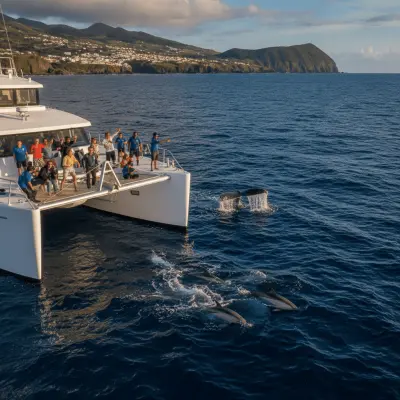
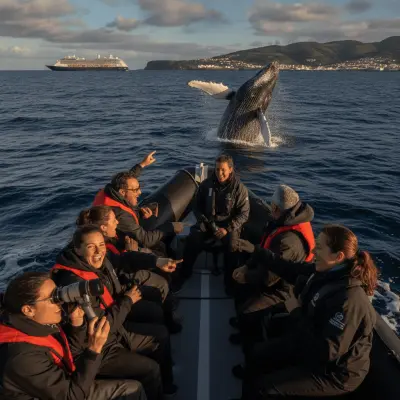
Here is my expert take: your choice of boat will define your experience. If you are physically fit and want a high-octane encounter, book the RIB (Rigid Inflatable Boat). It’s fast, low to the water, and you feel the raw power of the ocean. You get sprayed with salt, you bounce over the waves, and when a whale surfaces, you are right there at eye level. However, if you are traveling with family or carrying heavy camera gear, the Catamaran is the professional choice. It offers stability, a higher vantage point for spotting blows, and crucially, a bathroom. If you're staying at Quinta da Abelheira, you're just a short drive from the harbor, making an early morning departure much easier.
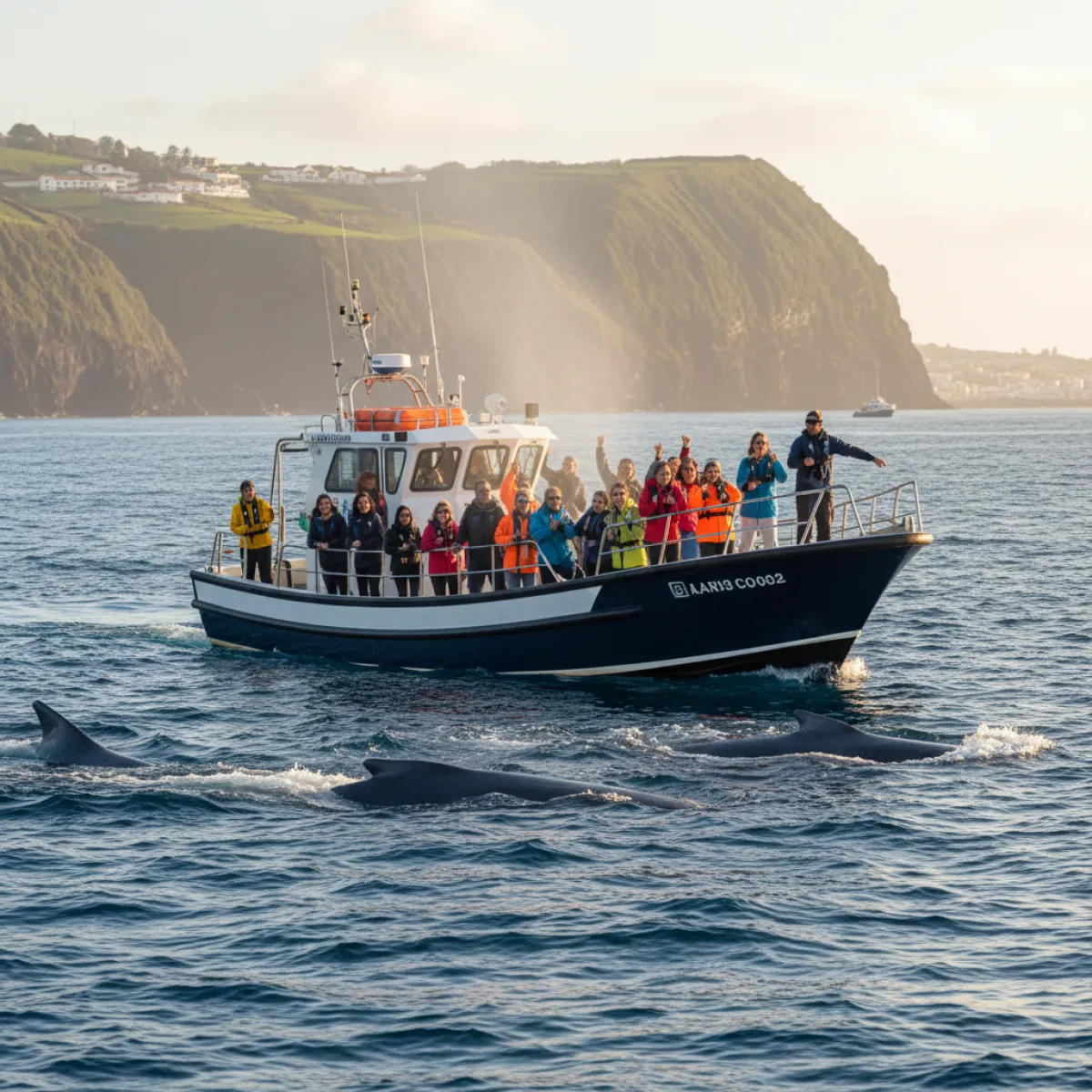
Regardless of the boat, the way they find the whales is a fascinating piece of Azorean heritage. They use "Vigias", land-based lookouts perched on the cliffs. These scouts use powerful binoculars to scan the ocean for miles, communicating coordinates to the boats via radio. It’s an old whaling tradition turned toward conservation, and it’s remarkably effective. It’s a specialized operation that relies on local knowledge rather than noisy sonar that could disturb the animals.
The Moment the Giant Surfaces
When the radio crackles with the words "Baleia-azul!", everything changes. The skipper guns the engine and the boat races toward the coordinates. The first thing you see is the blow, a massive, vertical column of mist that can reach 30 feet into the air. As you get closer (staying within the strict legal distances that protect the animals in the Azores), the sheer length of the Blue Whale is hard to comprehend. You see the mottled blue-grey back roll across the surface, and it just keeps going. A 100-foot animal makes even a large catamaran look like a toy.
Unlike Sperm Whales, which are the resident stars of the Azores and often lift their tails (flukes) high before a deep dive, Blue Whales are more subtle. They roll their backs, show a surprisingly small dorsal fin, and then slip away. The smell of the blow is something no one tells you about, it’s heavy, fishy, and visceral. It’s the breath of a creature that has traveled thousands of miles. For those who prefer a more classical retreat after such an intense morning, Quinta da Casa Grande provides the perfect garden setting to reflect on the experience.
Insider Tips for the Atlantic
The ocean in Spring is a different beast than in Summer. Even if Ponta Delgada feels warm, the wind at sea is biting. My number one tip: layers are your best friend. Wear a waterproof shell; Futurismo provides heavy-duty coats, but having your own gear is always better. Sunscreen is non-negotiable, as the Atlantic glare is unforgiving. If you have even a hint of motion sickness, take a pill 30 minutes before boarding. There is no turning back once you are five miles out, and the swells in April can be significant.
For the best lighting and calmer waters, I always recommend the morning session. The light on the water is crisper, making it easier to see the whales' underwater silhouettes. Once you return to dry land, you’ll be ravenous. Check out The Volcanic Plate guide to find the best local spots in Ponta Delgada to refuel. You’ll need a solid meal after three hours of salt and adrenaline.
Practical Information
- Provider: Futurismo Azores Adventures
- Location: Portas do Mar, Shop 26, Ponta Delgada
- Price: Around €70 per adult
- What to bring: Water, binoculars, a camera with a good zoom lens, and a decent sense of adventure.
Seeing a Blue Whale is never a guarantee, they are wild animals on a massive migration path. But in the Azores, especially during April and May, you are in one of the best spots on Earth to witness them. Even if the "Blue" stays deep, the resident Sperm Whales and pods of dolphins ensure that no trip is ever wasted. It’s about the anticipation, the scale of the Atlantic, and the chance to be in the presence of a true giant.