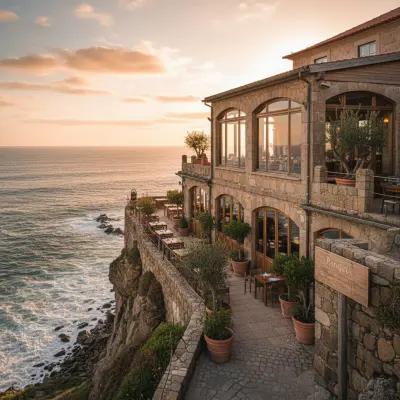
Eat
€€€
Pangeia Restaurante
Nazaré
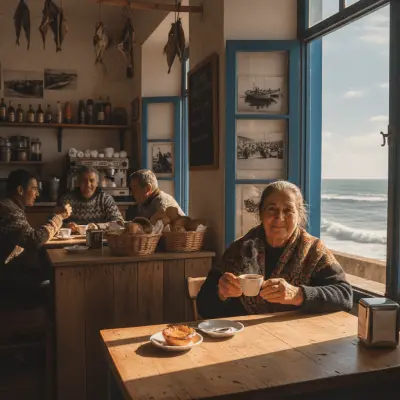
Most of the coffee on the seafront is bad, lukewarm and overpriced. Learn what to order (bica, meia de leite or galão), how to escape the crowd, and why Nazaré's best coffee is drunk up in the Sítio, facing the lighthouse.
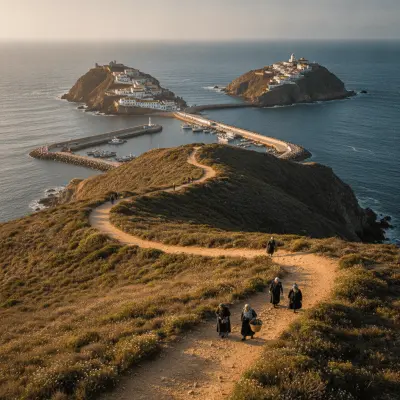
Everyone comes to Nazaré to stare at the giant waves. But there's a town you do on foot, from the Sítio to the Pederneira, with three levels of difficulty and a cliff that punishes anyone who forgets a windbreaker.
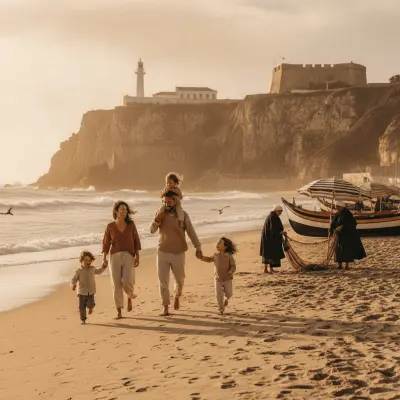
The giant waves are for Instagram. With kids, the real Nazaré is the 1889 funicular up the cliff, fish drying on nets and ice cream on the Avenida at dusk. An honest family guide, no fairy tales.
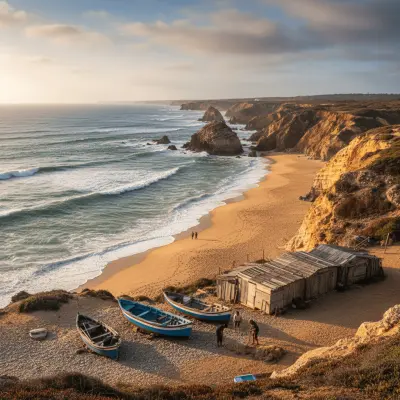
In August, Nazaré beach has towels half a metre apart and eight-euro parasols. There are five beaches twenty minutes away where none of that happens, and this honest guide tells you which, when to go, and where to eat afterwards.
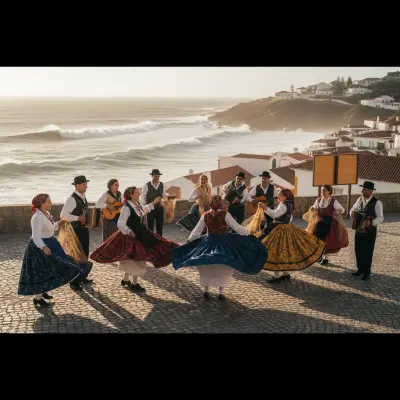
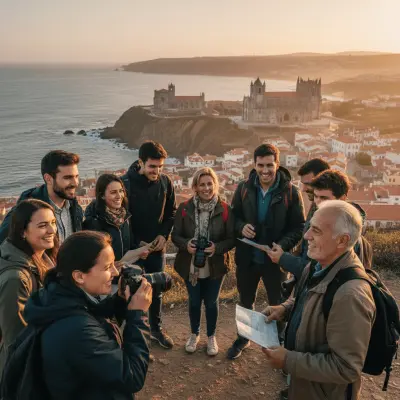
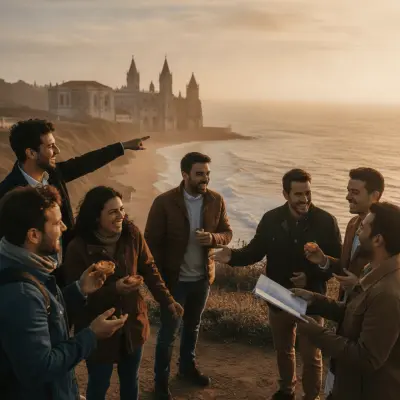
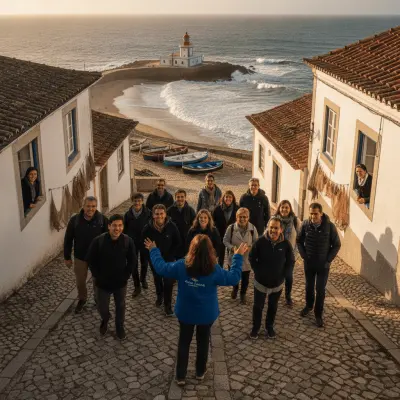
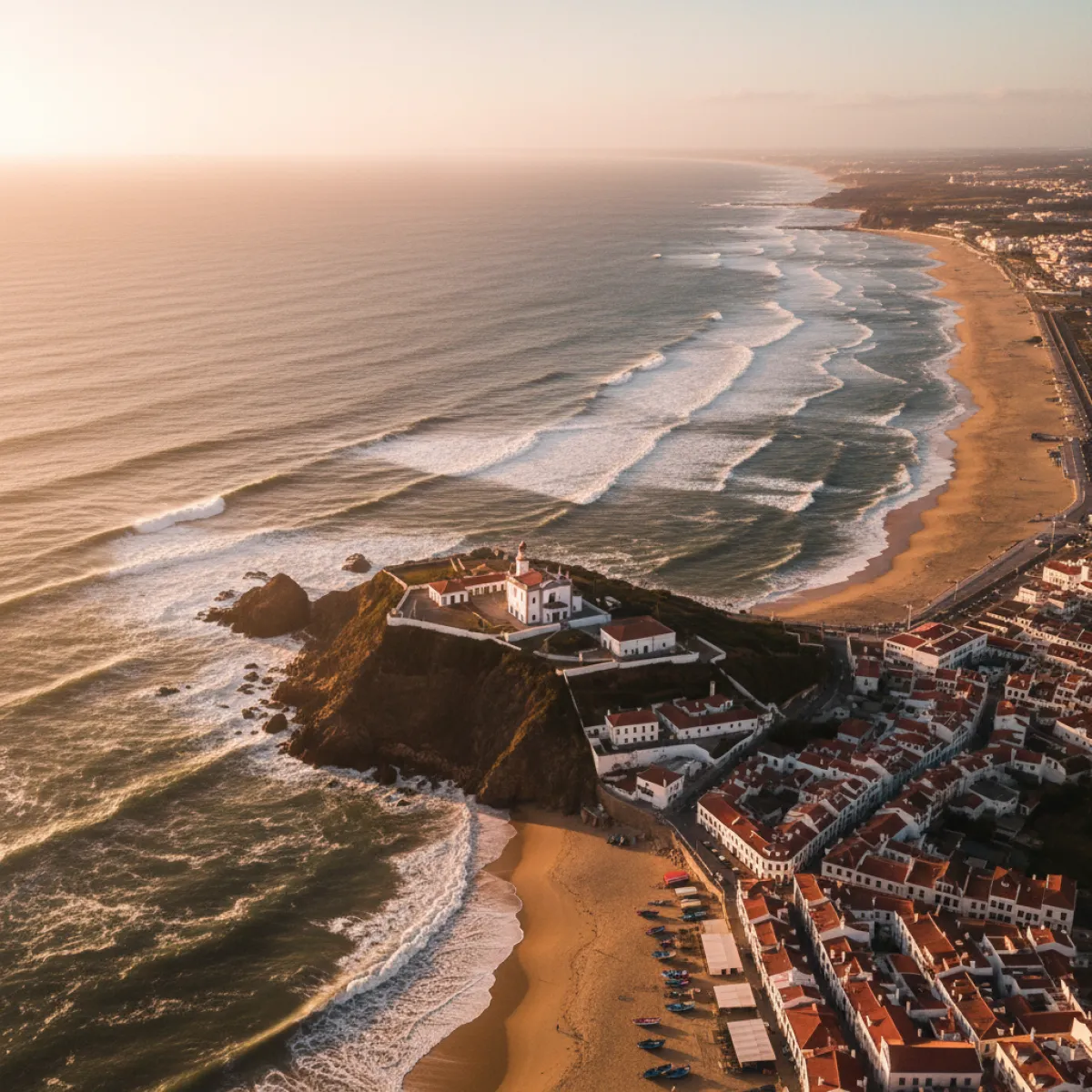
Nazaré splits into three parts: Praia (the beach), Sítio (the clifftop), and Pederneira (the old hillside village). Most visitors stick to Praia, the wide sand, the restaurants along Avenida da República, the checked tablecloths. It's a fine starting point, but the Nazaré worth knowing is further up and off to the side.
The funicular climbs to Sítio in a few minutes. Up top, Forte de São Miguel Arcanjo is the lookout where the giant waves of the Nazaré Canyon get filmed, between October and March, when North Atlantic swells hit the underwater canyon, waves can exceed 20 metres. Even outside big-wave season, the coastal view from the fort is worth the ride. The Church of Nossa Senhora da Nazaré, on Sítio's main square, anchors the September pilgrimage, one of the oldest in central Portugal.
Nazaré is a fish town. It always has been. The caldeirada nazarena, thick, potato-heavy fish stew, is a different creature from Algarve versions. Sun-dried fish on wooden racks near the beach isn't as widespread as it was 30 years ago, but you'll still spot it in side streets between Praça Sousa Oliveira and the market. Grilled sardines in summer, pickled horse mackerel year-round. At the seafront restaurants, ask what came in that morning, the fixed menu matters less than what the boats brought.
For giant waves: November to February, but check swell forecasts before booking, there are no guarantees. For swimming: July and August, with the caveat that the water is cold and the sand fills up. The sweet spot is September or early October: fewer people, the sea still bearable, the fish-drying racks back in action. Two days is enough to cover everything at a comfortable pace, Praia, Sítio, Pederneira, a proper meal, a morning at the fort. If you stay longer, São Martinho do Porto is 15 minutes away and has a nearly enclosed bay, ideal for children.
Nazaré doesn't need adjectives. It's a fishing town that got famous for its waves, yes, but it still functions as a fishing town, and that's what makes it real. Come for the spectacle of the sea, stay for the caldeirada.