Sleep
€€
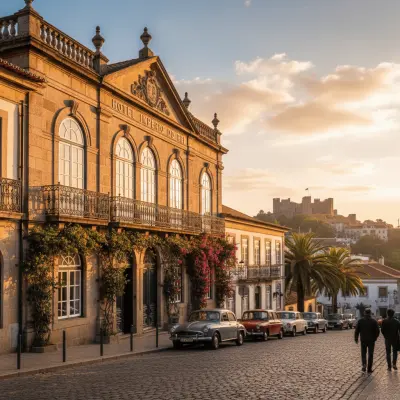
Hotel Império do Rei
Castelo Branco
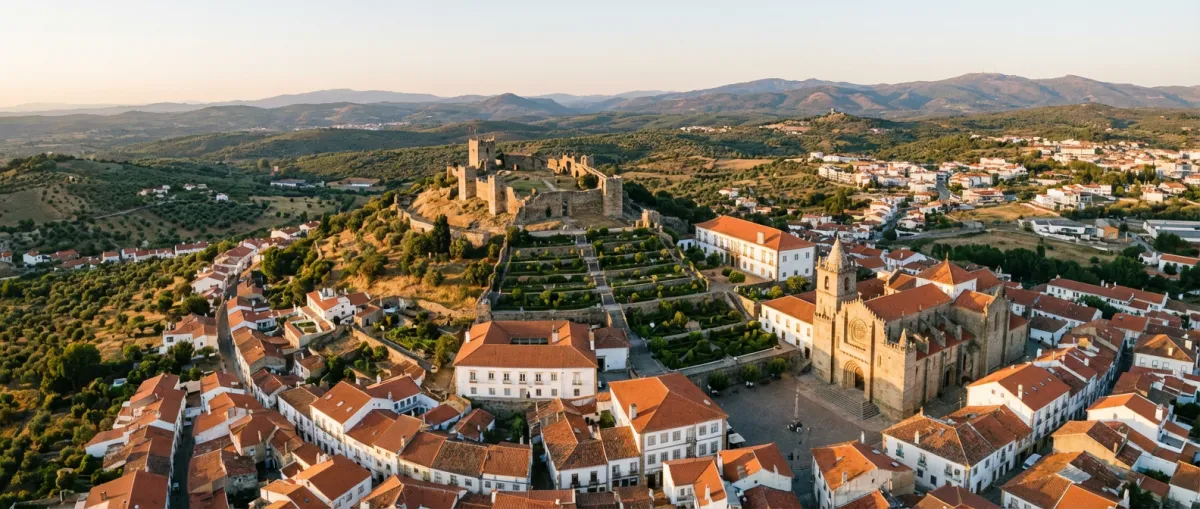
A district capital most people drive through without stopping, Castelo Branco holds inland Portugal's most dramatic baroque garden and a silk embroidery tradition recognised by UNESCO. Two days are enough to explore the city, its DOP cheese, roast kid and the Portas de Ródão.
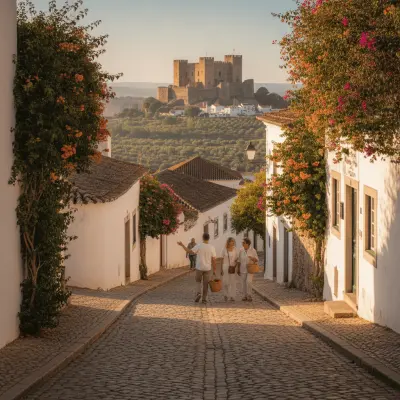
The sea still sits at 23 degrees, the beaches empty out, and prices drop by up to 40%. For anyone driving, a stop in Castelo Branco, between silk embroidery and a good night's sleep, makes the road to the Algarve as interesting as the destination itself.
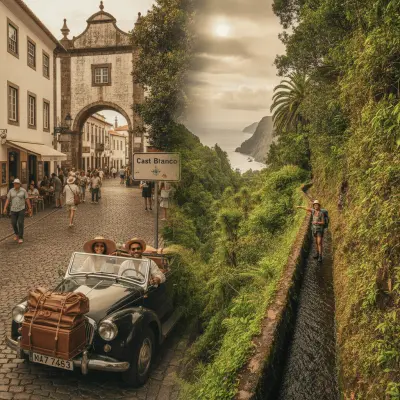
In July, Castelo Branco turns into an oven and everyone dreams of running water and real shade. Madeira's levadas deliver, but only if you rise early, climb high and flee the scorched south. An honest guide, with the head torch you will need and the trails actually worth your time.
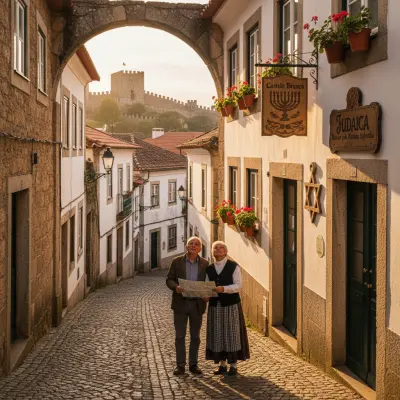
On the doorframes of Rua Nova, rectangular grooves betray mezuzahs ripped out five centuries ago. Castelo Branco's Jewish trail has no spectacular museums, but it has something better: a city that reads completely differently once you know the Sephardic code.
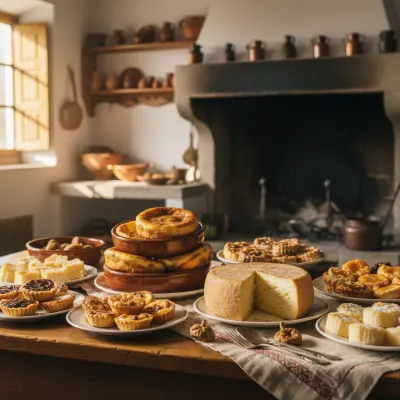
Queijo de Castelo Branco DOP, cured with wild cardoon thistle for at least 45 days, and tigeladas baked in clay pots are two of the best reasons to eat in the Beira Baixa. In a city with no foodie hype, honesty is the main seasoning.
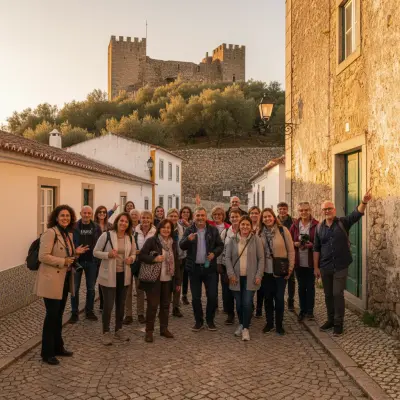
Castelo Branco is one of those Portuguese district capitals that people drive through on the way to Spain without stopping. That's a mistake. The city doesn't need crowds to justify a visit, it needs visitors willing to walk slowly up Rua de Santiago, climb to the viewpoint by the Templar castle ruins, and spend real time in the most theatrical gardens in inland Portugal.
The Jardim do Paço Episcopal, built in the early 18th century under Bishop João de Mendonça, is the reason to exit the motorway. Baroque staircases flanked by statues of Portuguese kings, with the monarchs from the period of Spanish rule deliberately carved smaller, a provocation in stone that says more about local pride than any history book. Fountains, pools and clipped boxwood create a setting unmatched in this part of the country.
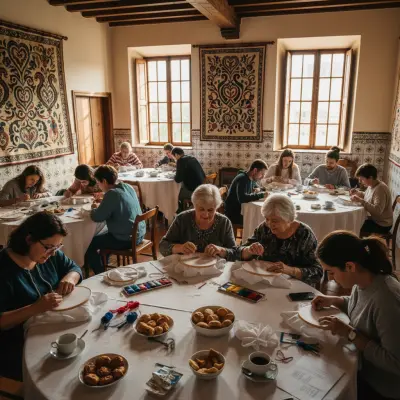
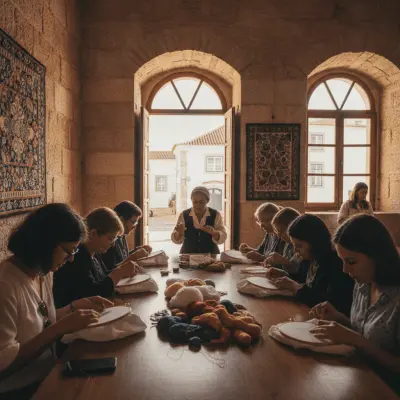
If one thing defines Castelo Branco beyond its landscape, it's the embroidery. Natural silk thread on linen, worked with around 50 different stitches, in motifs ranging from the tree of life to pomegranates and carnations. In 2023, the city joined the UNESCO Creative Cities Network specifically for this tradition. The Centro Interpretativo do Bordado, near the old town, displays bedspreads from the 17th and 18th centuries that took months, sometimes years, to embroider. This isn't decoration: it's obsession turned into textile art.
The local table doesn't follow trends. Roast kid is the signature dish, served with potatoes and accompanied by Queijo de Castelo Branco, a cured sheep's milk cheese, intense and slightly buttery, with Protected Designation of Origin. For dessert, tigelada is essential: a dense baked custard in clay bowls, its surface toasted like a no-fuss crème brûlée. Papas de carolo, made with cornmeal, milk and cinnamon, are the other option, more rustic, more honest.
Two days are enough for the city. Summers are hot and dry, easily above 35°C, so spring and autumn are the best times. If you have more time, Portas de Ródão is half an hour away: two cliffs narrowing the Tagus River in a landscape that justifies the detour.