Eat
€€
El Natcho Foodtruck
Caldas da Rainha
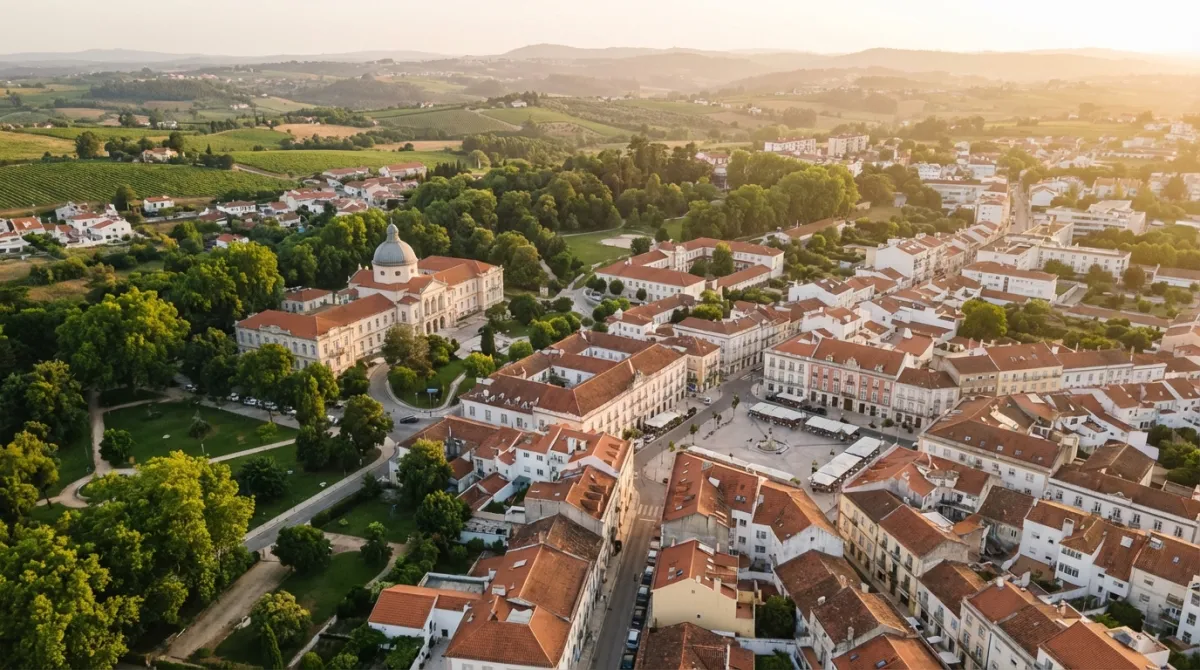
A thermal town with an irreverent ceramics tradition and the best daily market on the Oeste coast. A practical base for reaching Foz do Arelho, Salir do Porto, and the Óbidos Lagoon without the crowds.
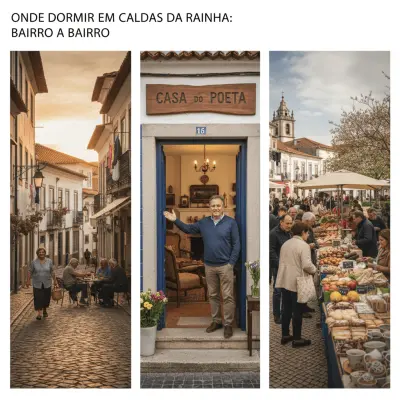
Historic center, Parque D. Carlos I, station area, or Foz do Arelho? In Caldas da Rainha, choosing where to sleep is choosing which city you'll see. An honest neighborhood-by-neighborhood guide with prices, best hours, and the marble-counter café I won't name.
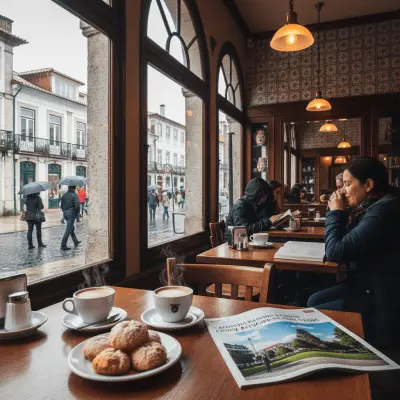
In Caldas da Rainha, a rainy day is the excuse to finally understand the town. From the Fado room at the Malhoa Museum to the rule of pastel-rei over bean pastry, here's the route that replaces the beach with something better.
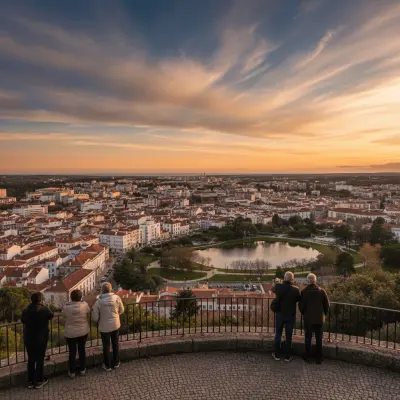
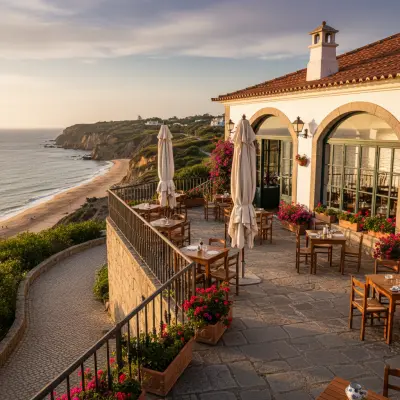
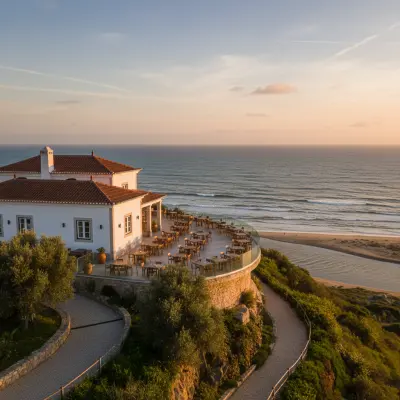
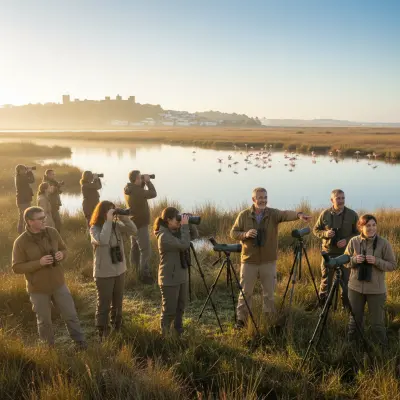
Three viewpoints around Caldas da Rainha, three exact hours when each one works best. Foz do Arelho at sunset, Santa Catarina at dawn, Salir do Porto at blue hour. An honest guide for anyone arriving with a camera.
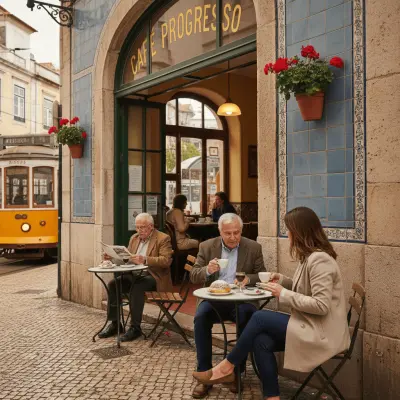
Where to take your 8am espresso, your 4pm galão, and what to order in between: an honest route through the cafés of Caldas da Rainha, with real prices, unwritten rules, and the truth about industrial queijinho do céu.
Caldas da Rainha exists because a queen took a bath. In 1484, Queen Leonor stopped by hot springs that locals already used, liked what she felt, and ordered a thermal hospital built on the spot. That hospital still operates today, and the city grew around it, a town born from an impulsive royal soak.
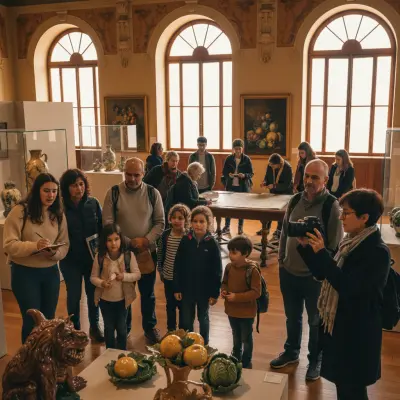
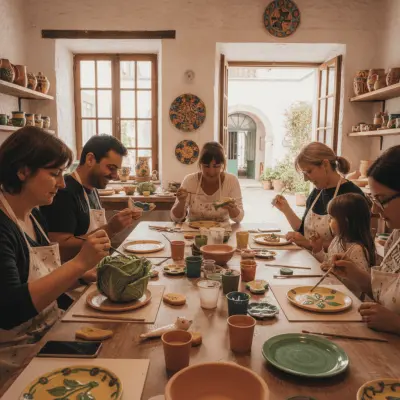
Caldas is Portugal's ceramics capital, but not the polite kind. This is the city of Rafael Bordallo Pinheiro, the 19th-century caricaturist who turned clay into political satire. His most famous creation, Zé Povinho, a peasant figure making a rude gesture at authority, is practically a national symbol. The Ceramics Museum, set in a pavilion surrounded by gardens, traces the full tradition from Bordallo's naturalistic pieces (think lobsters, cabbage leaves, frogs) to contemporary work. Along Rua da Liberdade and around the main square, studios and shops carry on the craft, some irreverent, some refined, most somewhere in between.
Praça da República is officially named, but everyone calls it Praça da Fruta. The daily open-air market runs every morning, fruit, vegetables, flowers, regional cheese. Saturdays are bigger and louder. This is where you understand what Caldas actually is: a working regional town that doesn't perform for visitors. Café terraces surround the square, and the coffee is cheap and strong.
Cavacas das Caldas, dry, crunchy pastries with a white sugar glaze, are the local signature. Buy them from the bakeries near the square. For proper meals, the food here is Oeste coast cooking: fish from nearby Foz do Arelho and São Martinho do Porto, roast suckling pig, and hearty soups.
One full day covers the town itself. But the viewpoints at Foz do Arelho and Salir do Porto are both under 15 minutes by car, and the Óbidos Lagoon is right there, so two nights makes more sense. Caldas works well as a base for the Oeste coast without the price tags of Óbidos or Peniche.
Spring is the sweet spot: the market is abundant, the coast isn't packed yet, and the light over the lagoon is worth the drive alone. Summer gets genuinely hot, but brings ceramics festivals and local celebrations. Winter is quiet, which, depending on your temperament, is either a drawback or exactly the point.