The Eloquent Silence of the Jesuit College
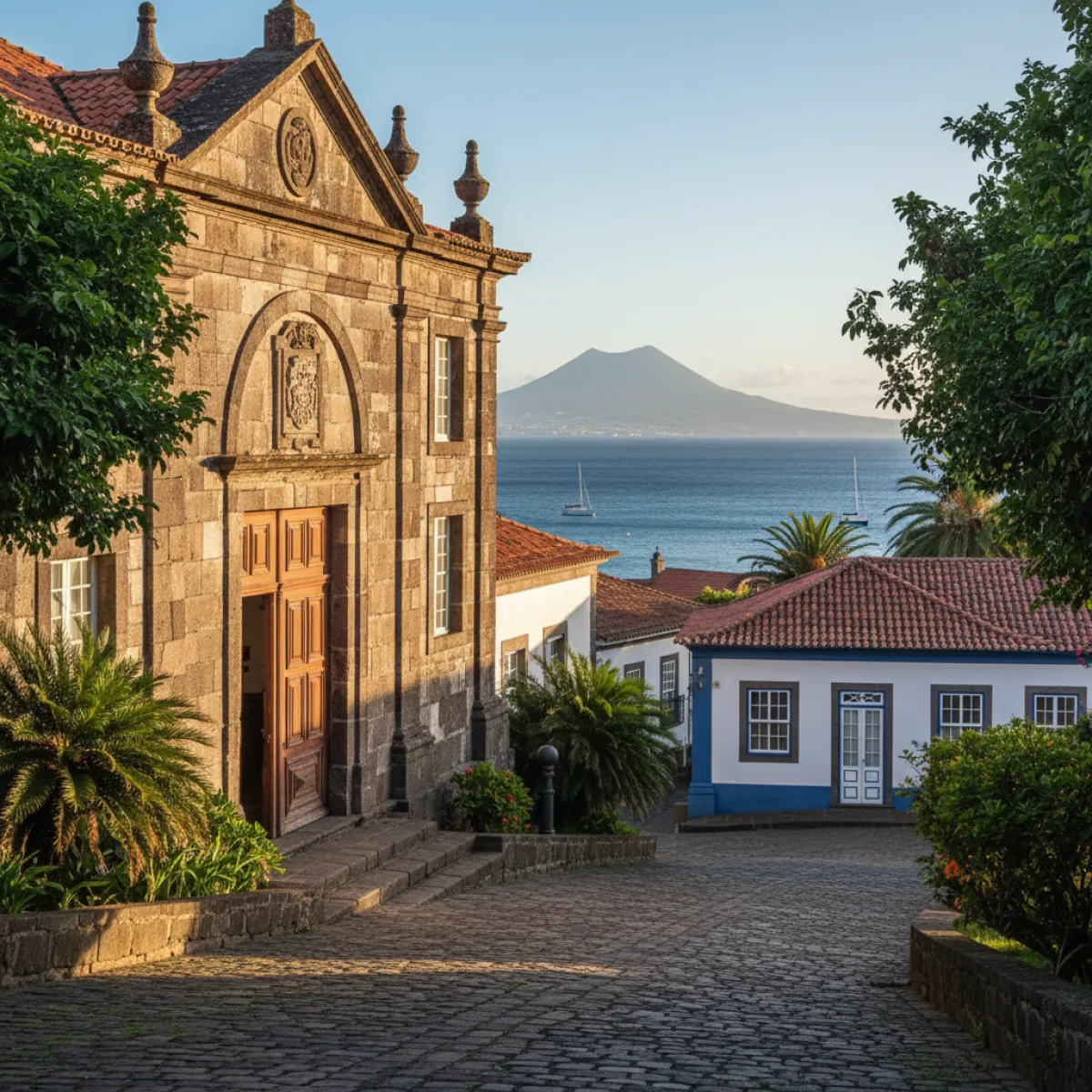
In the heart of Horta, where the Atlantic seems to whisper tales of navigators and undersea cables, stands the Palácio do Colégio. This building, which once served as a training house for the Society of Jesus, is now home to the Horta Museum, an institution that safeguards the soul of Faial Island. As you cross Largo Duque d’Ávila e Bolama, you are greeted by an imposing facade that denotes the historical significance of this site, not just for the city, but for the entire Azores archipelago. The structure, begun in the 17th century, has survived earthquakes and political upheavals, transforming from a religious center into a military barracks and, ultimately, into the guardian of Faial's collective memory.
Entering the Horta Museum is to immerse oneself in a narrative spanning centuries. The Jesuit architecture, characterized by sobriety and functionality, provides a contemplative backdrop. The central cloister, with its rigorous geometry, invites a moment of reflection before beginning an exploration of the various collections. Here, time seems to slow down, allowing every detail, from the basalt stonework to the light streaming through high windows, to tell a story of an island that has always been a crossroads between worlds. If you are planning a systematic exploration of the city, this museum should be a priority, particularly if you are following a guide like 24 Hours in Horta: Cosmopolitan Soul in the Heart of the Atlantic, where local culture and history take center stage.
The Fig Tree Pith Collection: A World Rarity
If there is one element that distinguishes the Horta Museum from any other museum in the world, it is its extraordinary collection of fig tree pith carvings (miolo de figueira). This art form, of almost ethereal delicacy, finds its ultimate expression in the work of Master Euclides Rosa. Fig tree pith, an extremely fragile and difficult material to manipulate, is transformed into miniatures that defy human understanding. These are representations of churches, carriages, biblical scenes, and elements of daily Azorean life, all carved with surgical precision reminiscent of the finest lace.
Observing these pieces, the visitor understands the concepts of patience and devotion. Each sculpture appears to float within its glass case, demanding close observation to appreciate the tiny details of columns, human figures, and ornaments. It is no exaggeration to state that these works are among the most unique you will find in the entire archipelago. They represent a local tradition that, while rare, remains a symbol of the creativity and craftsmanship of Faial’s artisans. The contrast between the robustness of the building’s basalt stone and the fragility of the fig tree pith creates an aesthetic tension that is, in itself, a metaphor for life on these volcanic islands.
Ethnography and the Call of the Sea
Faial cannot be understood without the sea, and the Horta Museum dedicates a substantial portion of its exhibits to the island’s relationship with the ocean. The whaling ethnography collections are a direct testament to an era when the livelihood of many families depended on the hunt for the sperm whale. Amidst harpoons, whaleboats, and processing tools, the museum narrates the hardship and heroism of this activity, without overlooking the technological evolution that Horta witnessed. The city was a vital node for transatlantic communications, and the museum preserves memories of the times when submarine cable companies transformed Horta into one of Portugal's most cosmopolitan cities.
Beyond whaling, the rooms dedicated to agriculture and traditional trades reveal the rural daily life of the island. Looms, agricultural tools, and musical instruments paint a picture of a resilient society. The sacred art section, largely inherited from the Jesuit presence and the island’s defunct convents, features sculptures and paintings of great artistic value, reflecting the importance of faith in the Azorean identity. Walking through these galleries, one realizes that the museum is not merely a repository of objects but a living organism that contextualizes Faial’s strategic position in the middle of the Atlantic.
Practical Information and Context
The Horta Museum is located in a privileged area of the city, a short distance from the Matriz Church and the historic center. For those who appreciate panoramic views, the ascent to the museum offers interesting perspectives over the harbor, though for the most breathtaking vistas, it is recommended to consult the guide on Atlantic Vantage: The Finest Rooftops and Panoramic Views in Horta. Access is easy on foot for those already in the lower part of the city, although the climb up Largo do Colégio may require some stamina.
What to Expect and Useful Tips
- Price: Entrance is very affordable (€), making it an excellent option for families and budget-conscious travelers.
- Visiting Time: Allow at least two hours to properly appreciate the collections, with special attention to the fig tree pith carvings.
- Dress Code: There is no strict dress code, but comfortable footwear is recommended as the building is vast and stone staircases are common.
- Photography: Generally allowed without flash, but it is best to confirm at the entrance, especially in rooms with sensitive sacred art.
- Surroundings: After your visit, take a stroll to Praça da República or visit the nearby Matriz Church of Santíssimo Salvador, whose Baroque interior perfectly complements the museum experience.
The Horta Museum is not just a cultural stop; it is an exercise in understanding what it means to be Azorean. Between the meticulous art of Euclides Rosa and the stories of sailors and Jesuits, this space offers a profound perspective on Faial that goes far beyond the natural landscapes. It is a place for introspection and discovery, essential for anyone wishing to know the true social and historical fabric of Horta.