Where to Stay in Óbidos: Find Your Corner
From the Pousada inside the castle to the farms of the Oeste, where you sleep in Óbidos decides the trip you'll have. The golden rule: at least one night inside the walls, to catch the village at seven in the morning, all to yourself.
Óbidos fits in the palm of your hand. From the Porta da Vila gate to the castle it is a ten-minute walk up Rua Direita, and if you move quickly you can circle the entire wall in half an hour. So the first thing I tell anyone asking where to stay is this: do not choose by distance. Everything here is close. Choose by the kind of morning you want when you wake up.
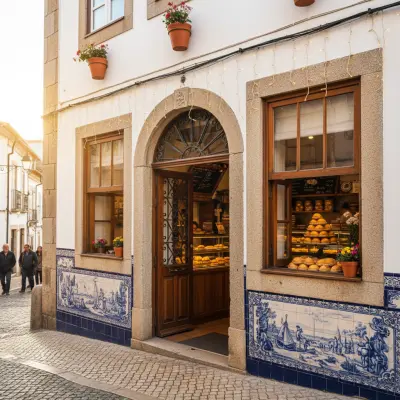
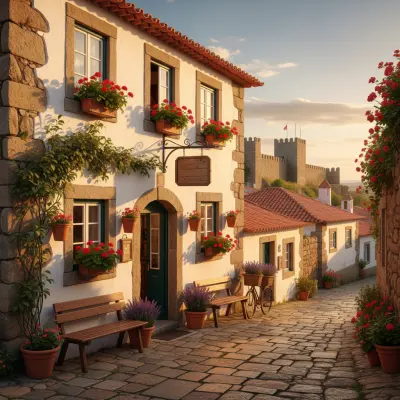
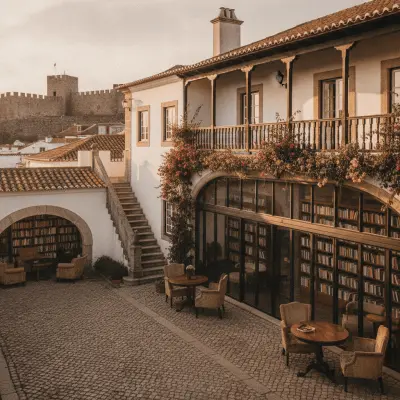
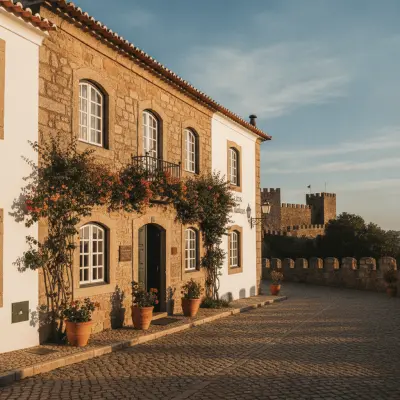
Because Óbidos changes its skin by the hour. From ten in the morning until six in the evening, coach tours unload and Rua Direita becomes a corridor of shops selling ginja cherry liqueur in little chocolate cups. But at seven in the morning, before the village wakes, the cobblestones are empty, bougainvillea spills over walls painted blue and yellow, and the only sound is someone sweeping a courtyard. People who sleep inside the walls get that secret Óbidos. People who sleep outside miss it. It is the most important decision you will make.
Inside the walls: the medieval heart
The historic centre, the intramuros, is the reason you came to Óbidos. Uneven cobbled lanes, one and two-storey houses, cats asleep in the sun on the steps. It is gorgeous and it is also impractical by car: the streets are extremely narrow and in high season you may not be allowed to drive in at all. Be ready to drag your suitcase over the cobbles. It is worth it.
For historic luxury
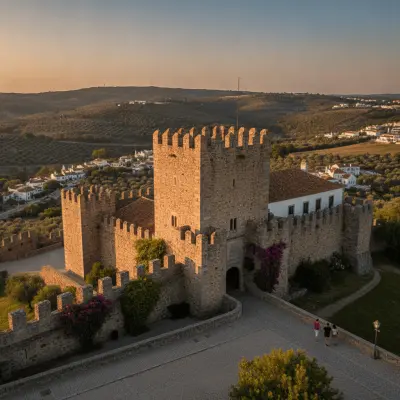
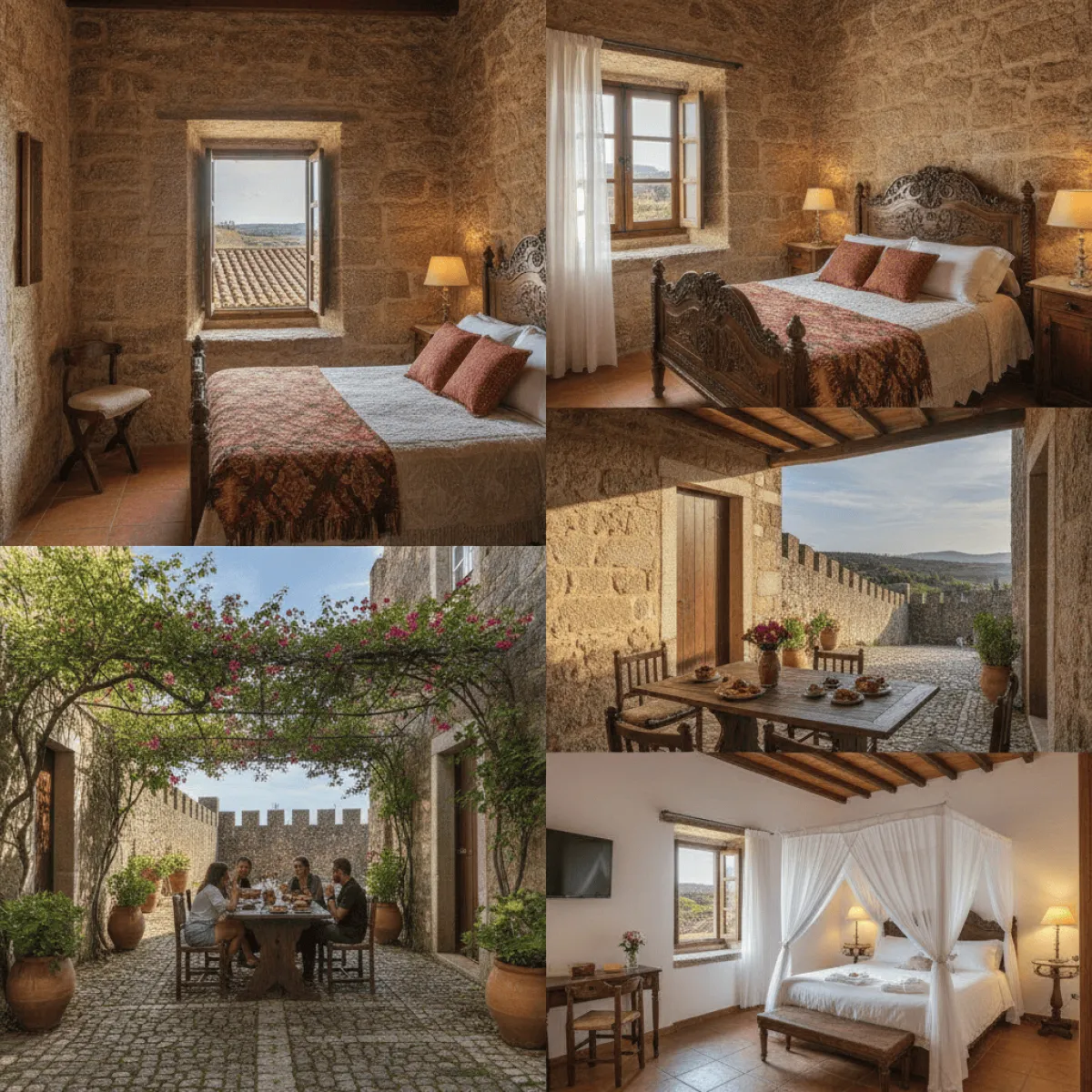
If the budget allows, the Pousada Castelo de Óbidos is the definitive experience: sleeping literally inside the medieval castle, at the highest point of the village. There are only a handful of rooms, some in the towers, with stone windows looking out over open countryside. It is not cheap and the rooms in the original building are small (they were defensive towers, not suites), but waking up inside a 12th-century castle is one of those once-in-a-lifetime things. Book months ahead, especially if you want a room in the historic wing rather than the modern extension.
Further south, beside the church of Santa Maria, the Casa das Senhoras Rainhas plays a different game: quiet charm, a garden, and one of the best breakfasts in the village. It is the choice for people who want to be inside the walls but with a little more peace than Rua Direita offers. It sits on a side street, away from the flow of tour groups, yet still two minutes from everything.
For book lovers
Óbidos is a UNESCO Literary Village, with bookshops in deconsecrated churches and even in the old market hall. If that means anything to you, the choice is obvious: The Literary Man Óbidos Hotel. More than fifty thousand books are scattered through the property, there is a gin bar with hundreds of bottles, and rooms where you can literally fall asleep beside a wall of shelves. It is themed without being kitsch, and the bar at the end of the day is one of the best spots in the village for a quiet drink. If you love this side of Óbidos, you will also enjoy tracking down the street art and murals tucked into the village's back lanes, a contemporary counterpoint to the medieval stone.
What to eat without leaving the walls
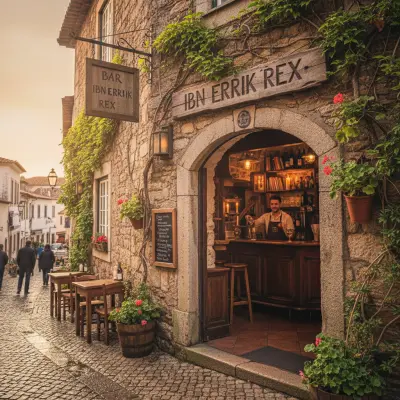
Inside the walls you eat well if you know where to look, and badly if you fall for the first menu with photographs. The Capinha d'Óbidos is my recommendation for an honest lunch or dinner, straightforward Portuguese cooking with no airs, in a setting that does not try to fool anyone. And at the end of the day, once the coaches have left, take a seat at the Bar Ibn Errik Rex, a village institution crammed floor to ceiling with old curiosities, where the ginja is served properly. It is the kind of place that feels like it has not changed in decades, and thank goodness for that.
By the gates: the balance
If the thought of dragging your suitcase over cobbles puts you off, or if you are travelling by car and want to park without drama, the area just past the Porta da Vila, or near the Porta do Vale, is the smart compromise. You are a minute on foot from the historic centre, but you can park relatively close (there are paid car parks at the village entrance) and the houses tend to have easier access.
This is also where you find some of the best value-for-money places to stay, either here or just below the walls. Restored country houses, small family-run guesthouses. You wake up with the wall outside your window, you are inside the intramuros in seconds, but you sleep in a quiet that Rua Direita does not have on summer nights when the terraces get lively.
To eat in this area, or to take a bit of Óbidos away with you, it is worth knowing the Casa Portuguesa do Pastel de Bacalhau, where the cod cake filled with Serra mountain cheese is one of those things that divides opinion but that everyone ends up trying anyway. Pair it with a glass of local Oeste wine and you are sorted.
Outside the walls: countryside, wine and calm
There is a third way, and it is my favourite for anyone staying more than one night: staying outside the village, in the Oeste countryside that surrounds Óbidos. Farms, country houses, rural tourism with a pool and a view over the vineyards. You lose the magic of stepping straight out onto a medieval lane, but you gain silence, stars and a breakfast with hens wandering by.
It makes particular sense if you arrive by car and want to use Óbidos as a base to explore the region. This is wine country, and one of the best ways to understand that is the heritage wine journey through the historic cellars of Quinta do Sanguinhal, a few minutes from the village, where you taste what this land gives beyond ginja. The Óbidos Lagoon beach is about twenty minutes away, and Peniche and Nazaré are a short drive.
Getting there and getting around
From Lisbon, Óbidos is about an hour by car on the A8. By public transport, regional and express buses run regularly from Lisbon and stop near the village; check the timetables locally, as they vary between weekdays and weekends. There is also a train, but the station sits in a valley below the village and means a serious climb on foot, so the bus is usually more practical if you come without a car.
Inside the village there is no transport: everything is done on foot, and Rua Direita is the only artery that matters. Wear comfortable shoes, because the Portuguese cobbles are beautiful but treacherous, especially in the rain. If you bring a car, leave it in the car parks at the entrance and forget about it until you leave.
When to go
Óbidos has two big seasons that fill the village and that you can seek out or avoid depending on your temperament. In December, Óbidos Vila Natal turns the castle moat into a Christmas theme park, with ice rinks and markets; magical for families and a nightmare for anyone after peace and quiet. In spring, the International Chocolate Festival takes over the streets. In July, the Medieval Market sends the village centuries back, with people in full costume and the smell of roast suckling pig in the air.
If you ask me, the best time is late September or October: still mild, the vineyards turning colour, and the village handed back to itself after summer. Midweek afternoons out of season are when Óbidos is most itself.
So, which corner is yours?
The rule is simple. If you want the full experience, sleeping among the walls and waking before the tour groups, stay in the intramuros and accept the hassle of suitcases and parking; it is worth every step. If you travel by car, want comfort without drama and refuse to be more than a minute from the centre, choose the area around the gates. And if you are after quiet, wine and countryside, using Óbidos as a base for the Oeste region, sleep outside and come into the village at the end of the day, when it breathes.
This logic of choosing where to sleep according to the kind of traveller you are applies to almost every historic Portuguese town. If you liked this approach, you will recognise it in our Sintra neighbourhood guide, and there is plenty more to say about reading a place through its districts in our take on local culture in Lisbon. Whatever corner you choose, do yourself a favour: spend at least one night inside the walls. Óbidos at seven in the morning, the village all to yourself, is something you do not forget.