Vila Real: Where Locals Actually Eat
In Vila Real, the best restaurants have no website and no English menu. They have paper tablecloths, the news on TV, and feijoada à transmontana that justifies the drive from Porto.
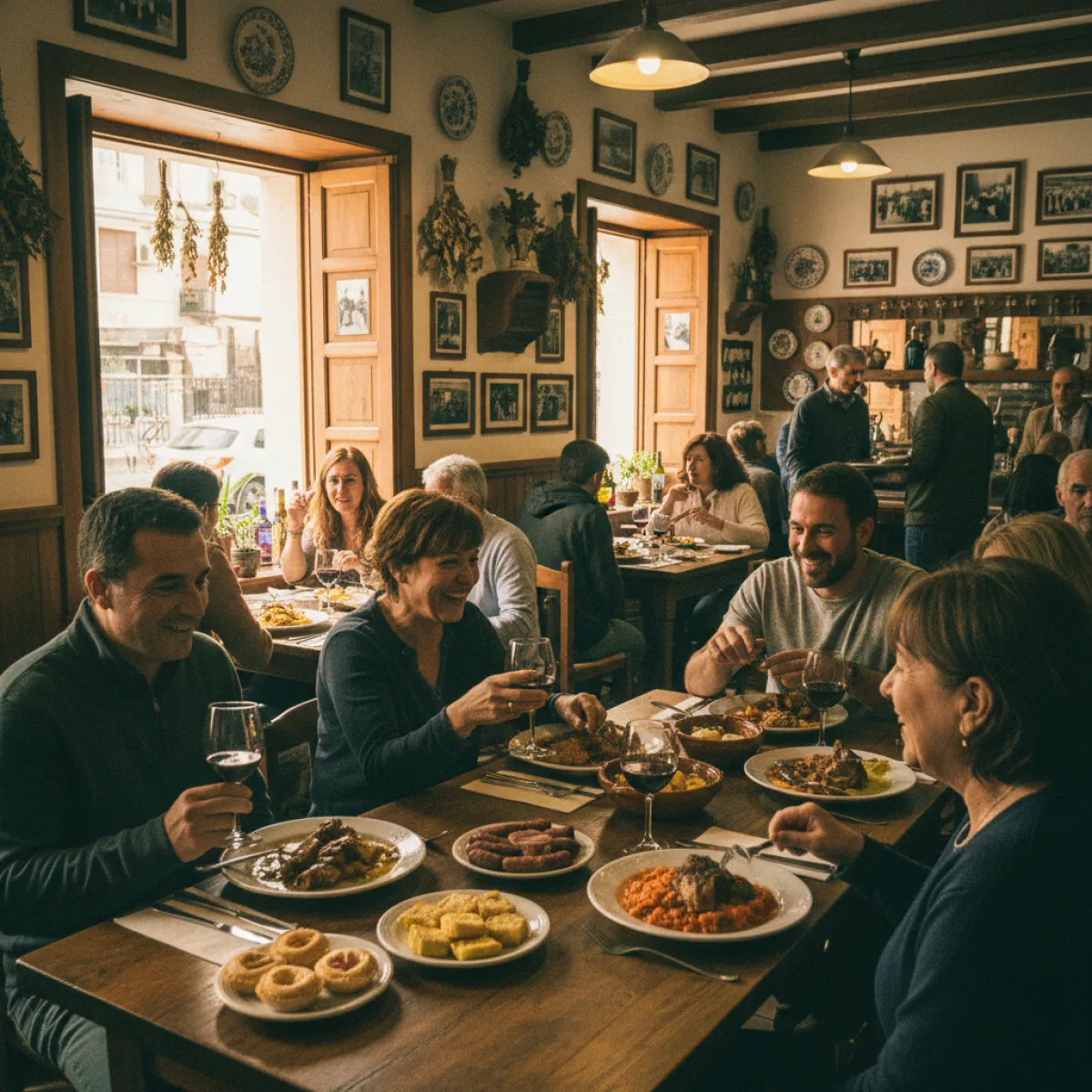
Vila Real doesn't try to impress visitors. There are no menus translated into six languages, no sandwich boards with laminated photos of "traditional Portuguese cuisine." And that's exactly why eating here is so good. Transmontano food doesn't need marketing. It needs time, good produce, and someone who knows what they're doing.
If you've arrived in Vila Real looking for a proper meal, you've probably come via the Douro, perhaps as part of a photography tour through the valley, or on a day trip from Porto. The city sits on a plateau between the river and the Serra do Marão, and that geography defines everything on the plate: chestnuts, wild mushrooms, cured meats, Barrosã veal, trout from the River Corgo.
Breakfast nobody talks about
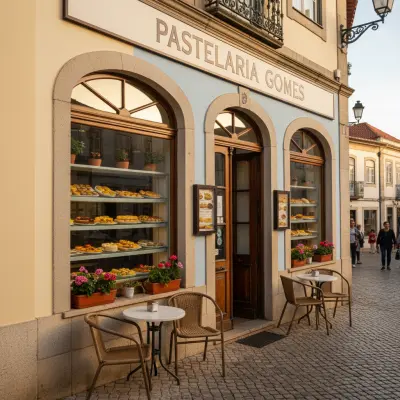
Before discussing lunch and dinner, there's a truth every vila-realense knows: breakfast happens at a neighbourhood pastry shop, standing at the counter, with a short espresso and something fresh from the oven. Pastelaria Gomes is one of those references. Don't expect Instagram-worthy decor. Expect serious puff pastry, meat-filled bolas with spices that wake you up, and the kind of brisk service that only exists in places where everyone knows each other by name.
The ritual is simple: arrive, order, eat, pay, leave. Two-fifty, maybe three euros with coffee. If you're starting your day early, it's perfect fuel before hitting the road.
Lunch: the meal that matters
In Vila Real, as in most of the northern interior, lunch is the main event. Restaurants open at noon and by 12:30 they're packed with workers, university staff, retirees at their usual table. Arrive after one o'clock and you risk missing the daily special.
What to look for
The dishes that define Vila Real at the table aren't complicated, but they demand good ingredients:
- Vitela Barrosã: DOP veal from the region, grilled over coals with nothing more than salt. Good meat, proper heat, correct timing. It doesn't need anything else.
- Feijoada à Transmontana: not the Brazilian version. Here it's made with regional cured meats (alheira, salpicão, chouriço de carne), beans, cabbage, served with rice. A cold-weather dish, which in Vila Real means almost always.
- River trout: from the Corgo, fried or grilled, served with boiled potatoes and salad. Simple, but when the trout is fresh, you don't need more.
- Alheiras: Vila Real competes with Mirandela for the best alheira crown. Fried and served with a fried egg, greens, and potato, it's a complete lunch for under ten euros at most local restaurants.
Neighbourhood restaurants, the ones without a website or updated Google Maps listing, are almost always the best bet. Look for paper tablecloths, a TV tuned to the news, and a display case with homemade desserts. Rice pudding, crème brûlée Portuguese-style, chestnut pudding in autumn.
Where not to go
Avoid the restaurants on the main avenue near the shopping centre that look modern but serve generic food at inflated prices. If the menu has photographs and comes in English, it's probably not where locals eat. This isn't snobbery: it's simply that Vila Real's best cooks work in discreet spots where the clientele is loyal and product turnover is high, which guarantees freshness.
The market: shopping like a local
The Mercado Municipal de Vila Real, in the central part of town, operates mornings. Go early, before 11am. You'll find mountain cheeses, honey, cured meats, seasonal fruit, and vegetables from farms a few kilometres away. Saturdays are busiest, with producers who only come once a week.
If you're staying more than one night, buy at the market and eat in. A cured cheese, a wine chouriço, corn bread, a cheap (and good) Douro red. The wine region is literally right there. Perfect dinner for five euros a head.
Dinner and wine
Vila-realenses eat dinner late by interior standards: between 8pm and 9pm. Dinner restaurants tend to be slightly more formal than lunch spots, with longer menus and marginally higher prices. But the logic is the same: regional produce, traditional preparations, Douro wines.
Speaking of wine: you're less than thirty minutes from the heart of the Douro demarcated region. House wines in Vila Real restaurants are frequently excellent and cost between three and five euros per bottle (yes, per bottle). Don't be afraid to order the house wine. In many cases it's a perfectly decent Douro DOC that would cost fifteen euros in Lisbon.
Late afternoon petiscos
The petisco culture in Vila Real isn't as visible as in the Minho or Lisbon, but it exists. Late afternoon, especially on Fridays, some tascas fill up with people drinking draught beer and sharing plates of pig's ear, gizzards, or pica-pau (diced meat in garlic sauce). Look for the narrow streets in the old centre, between the Cathedral and the river.
A petisco and a beer rarely costs more than four euros. Two shared plates and wine for two? Ten, twelve euros. This is the Portugal where eating out isn't a luxury.
Sweets and convent heritage
Vila Real has a tradition of convent-origin pastries that survives in neighbourhood bakeries. Cristas de galo (puff pastry with custard cream) are iconic, but also look for pastéis de Santa Clara and covilhetes. They're not pretty: golden, irregular, handmade. But one bite and you understand why the recipe survived centuries.
Pastelaria Gomes is good for this throughout the day, but truthfully almost any pastelaria in the centre will have its version of the classics. Try two or three and draw your own conclusions.
Practical context
Vila Real is about an hour from Porto via the A4. If you're exploring day trips from Porto, it's an excellent option, especially combined with a descent to Peso da Régua or Pinhão.
For lunch, a daily special with soup, bread, drink, and coffee costs between 8 and 12 euros at most local restaurants. At dinner, expect 15 to 20 euros per person with wine. Prices are significantly lower than Lisbon or Porto.
If you have more time in the region, it's worth exploring activities like the linen weaving workshop in Limões, which gives you a different perspective on the Transmontano interior beyond the table.
And if your route includes the Minho, our guide to Braga pairs well with a trip through the northern interior.
The golden rule
In Vila Real, the best food is where you least expect it. No renovated facades, no nice lettering, no social media presence. Follow the cars double-parked at noon, the men in tracksuits walking into a place with no apparent signage, the smell of charcoal and garlic coming from a side door. That's where you eat. And you eat very well.