The Rhythm of the Tides: Markets and Street Food in Sesimbra
Explore the culinary heart of Sesimbra, where black scabbard fish and the traditional 'farinha torrada' define the soul of this resilient fishing town. A detailed guide to the municipal market's rituals and the best street-side snacks.
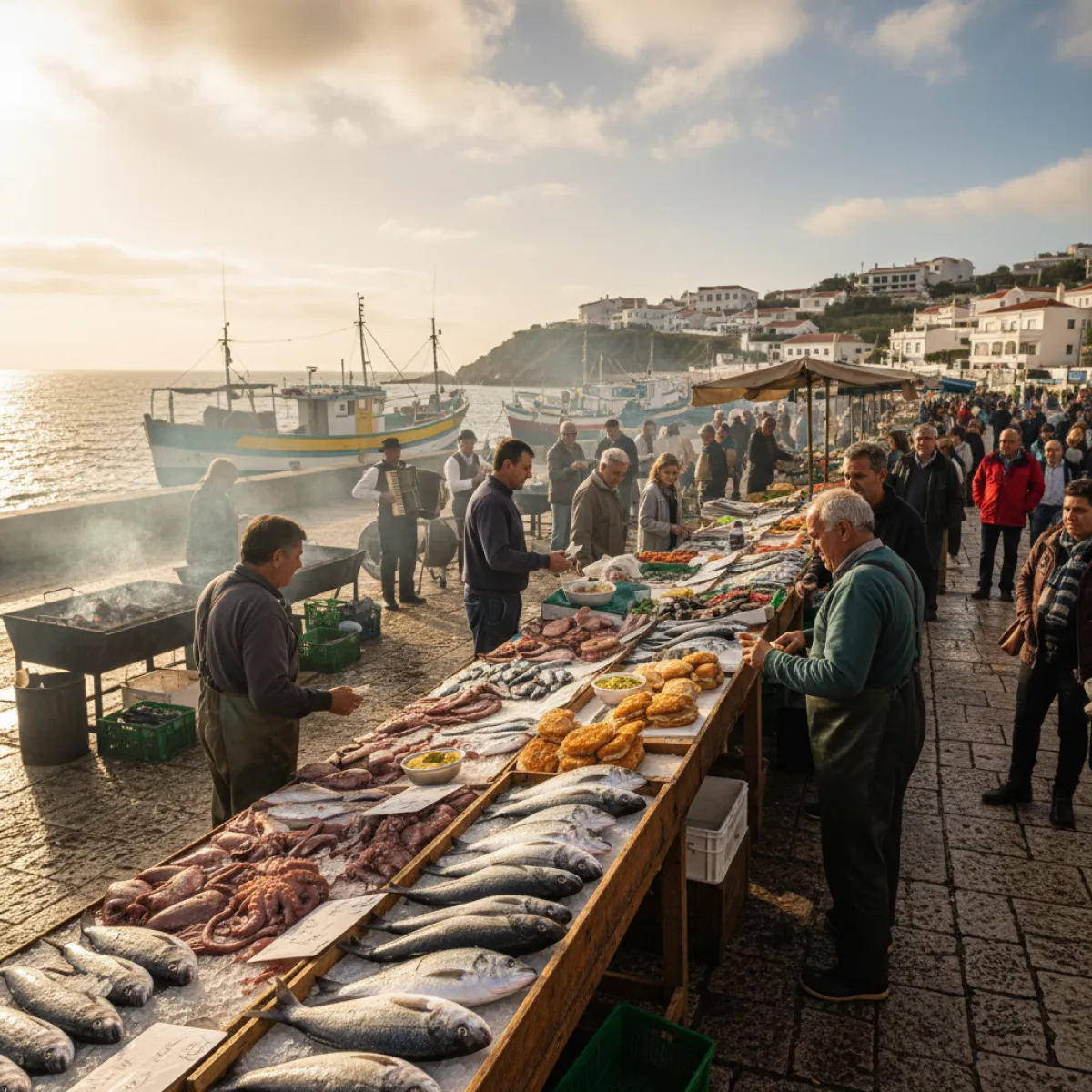
The Uncompromising Character of a Fishing Town
Sesimbra does not offer itself up easily to the casual observer. Unlike the manicured aesthetics of neighboring coastal resorts, this town demands a certain degree of saltwater tolerance and an appreciation for the utilitarian. Here, gastronomy is not a curated experience but a direct consequence of the Atlantic’s volatility. While Local Culture in Lisbon is often defined by its fado houses and tiled facades, Sesimbra’s identity is forged in the harbor, amidst the smell of diesel and the sharp ozone of the morning catch.
Mercado Municipal: The Altar of the Ocean
The Mercado Municipal de Sesimbra is the town’s functional heart. It is a space where the architectural focus is secondary to the quality of the produce on display. Forget the 'food halls' of major European capitals that prioritize aesthetics over substance. In Sesimbra, the market is about the cold, hard reality of the sea. The central figures here are the fishmongers, mostly women whose families have been connected to the ocean for generations, presiding over marble counters laden with Black Scabbard fish (Peixe Espada Preto).
The Black Scabbard is the town’s culinary mascot. This deep-water predator, with its obsidian skin and needle-like teeth, is caught at depths exceeding 1,000 meters using specialized longline gear. To see it whole in the market is to understand the raw power of the local fishing fleet. It is a stark contrast to the inland charms described in our Sintra Neighborhood Guide, where the focus shifts toward forest mists and aristocratic estates. In Sesimbra, the prestige is found in the depths of the ocean floor.
Navigating the Market: Logistics and Budget
Timing is everything. Arriving by 09:00 is essential for anyone seeking the prized specimens of sea bream, grouper, or the increasingly rare wild sea bass. For the budget-conscious traveler, a kilogram of the freshest Black Scabbard usually retails between €8 and €12, offering an incredible value-to-quality ratio. Many local establishments near the market will, for a small fee, grill your purchase over charcoal, providing the most authentic dining experience possible in the region.
Farinha Torrada: The Fishermen’s Energy Bar
To understand the local palate, one must try Farinha Torrada. This is not a delicate pastry to be enjoyed with a silver fork; it is a dense, square-cut block of energy. Historically, it was taken to sea by fishermen because it wouldn’t crumble and provided the necessary calories to endure the cold nights on the Atlantic. Made with flour, brown sugar, chocolate, cinnamon, and lemon, it possesses a gritty, satisfying texture that lingers on the palate.
You will find the most authentic versions in small, unassuming cafes like 'A Camponesa'. A slice (expect to pay around €2.00) paired with a bica (espresso) is the quintessential Sesimbra breakfast. It represents a culinary pragmatism that is often missing from the more tourist-oriented Best Day Trips from Cascais. It is food as fuel, elevated to a cultural icon by the sheer weight of tradition.
Street Food and Tasca Culture
Street food in Sesimbra isn't found in trucks with neon signs; it’s found at the counters of 'tascas' and through the service windows of backstreet taverns. Choco Frito (fried cuttlefish) is a staple. While Setúbal may claim the throne for this dish, Sesimbra’s version is often lighter, focusing on the tenderness of the cuttlefish rather than a thick batter. It is best enjoyed standing up, with a cold beer, as the sun begins to dip behind the cliffs of Cabo Espichel.
Then there are 'moelas', chicken gizzards slow-cooked in a spicy, wine-heavy tomato sauce. This dish requires a sturdy crust of local bread to soak up the juices. The bread of Sesimbra is unique: a thick, crunchy crust with a dense, elastic crumb that doesn't surrender to the sauce. These snacks are incredibly affordable, with portions typically costing under €7.00, making Sesimbra one of the most accessible gastronomic destinations for those who value authenticity over white tablecloths.
The Harbor: Where the Story Begins
A short walk west from the town center leads to the Porto de Pesca (fishing port). This is the infrastructure that makes the markets possible. Observing the 'lota' (fish auction) from a distance is a lesson in local economics. The speed at which the crates of silver-scaled fish are moved from the boats to the refrigerated vans is a testament to the town’s commitment to freshness. This is the source of the luxury you find in Lisbon’s top restaurants, yet here it is stripped of its pretense and sold by the crate.
Practical Advice for the Discerning Traveler
To experience Sesimbra at its best, avoid the peak summer months when the narrow streets become congested. The late spring or early autumn offers the perfect balance of mild weather and a quieter, more observant atmosphere in the market. Wear shoes with good grip; the limestone pavement near the harbor is polished by decades of foot traffic and can be surprisingly slippery when wet.
Sesimbra is a town that knows exactly what it is. It doesn't attempt to mimic the cosmopolitan flair of Lisbon or the romanticism of Sintra. It is a place of salt, smoke, and hard work. For the traveler who seeks out markets not for the photo opportunity but for the ingredients, and who prefers their street food with a side of sea spray, Sesimbra remains an indispensable stop on the Portuguese coast.
