The Óbidos Seaboard: Navigating the Stillness of the Lagoon and the Atlantic’s Edge
Explore the untamed coastline of Óbidos, where the stillness of Portugal's largest lagoon meets the raw power of the Atlantic. An editorial guide to coastal escapes, wood-fired bakeries, and heritage wine journeys.
The Anatomy of the Coast: Where the Lagoon Meets the Void
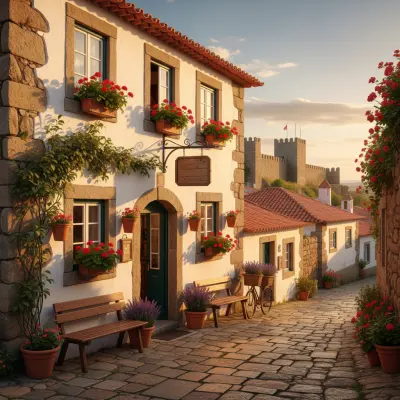
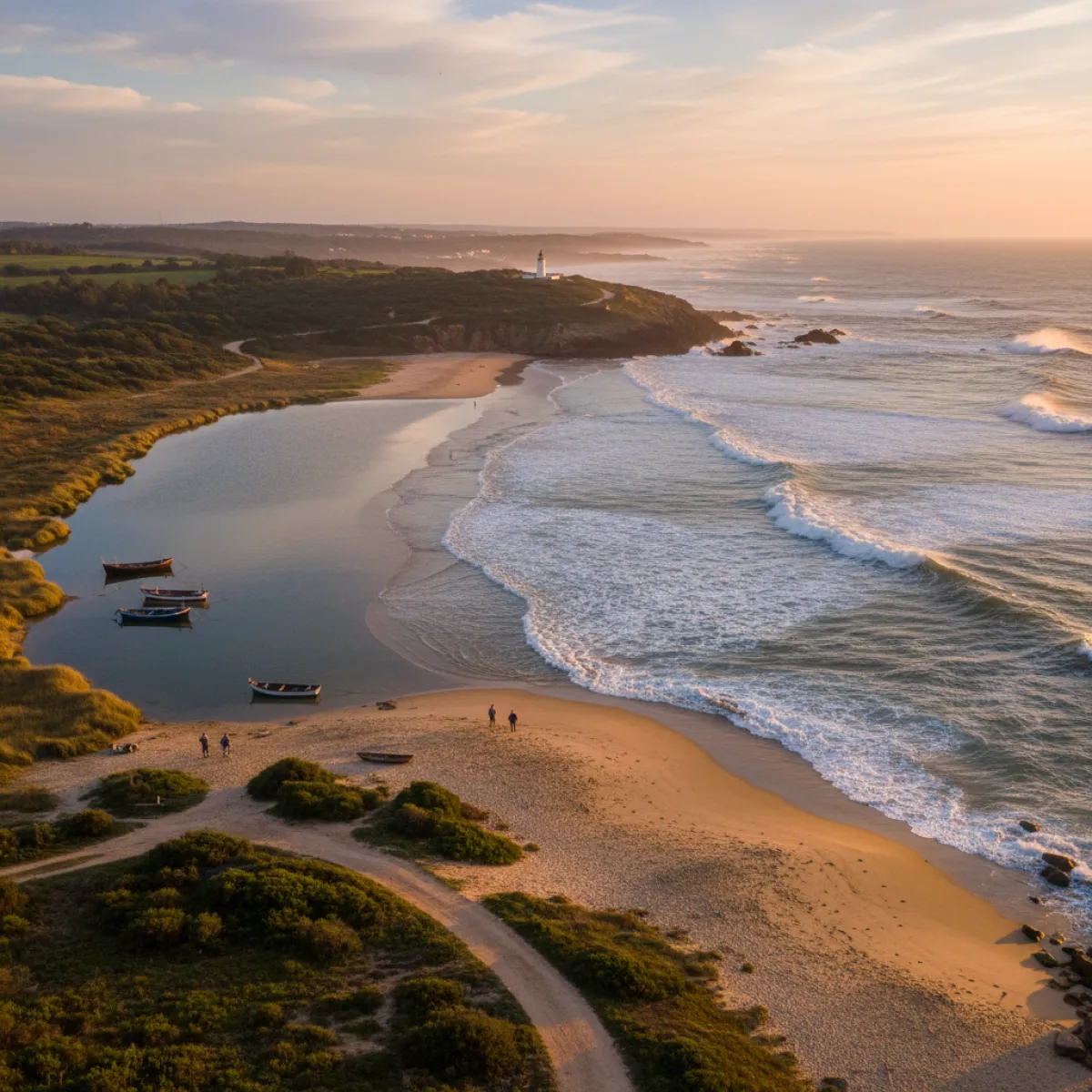
Óbidos is a town often fossilized in its own medieval charm, a pristine cluster of whitewashed houses and crenelated walls that serves as the quintessential Portuguese day trip. But for those willing to look beyond the citadel, a different reality awaits ten kilometers to the west. Here, the landscape dissolves into the Óbidos Lagoon, a vast, silver expanse of water that eventually surrenders to the Atlantic. This is the Silver Coast (Costa de Prata) at its most honest, wind-swept, brine-scented, and entirely indifferent to the whims of casual tourism.
The lagoon is the deepest and most stable in Portugal, a sanctuary for biodiversity that contrasts sharply with the violent surf just a few hundred meters away. To experience it correctly, one must head to Praia do Bom Sucesso on the southern bank. While the northern side (Foz do Arelho) offers more infrastructure, Bom Sucesso is where the silence is loudest. It is a place of white light and shifting sands, where the only residents are the shellfish gatherers and the occasional kite-surfer harnessing the relentless northerly wind.
Morning Rites and the Scent of Woodsmoke
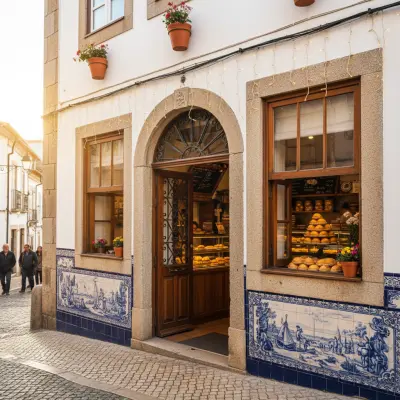
Every serious journey into the Óbidos coast begins in the village before the first tour buses arrive. The ritual starts at Capinha d'Óbidos, a bakery that remains an institution in an age of pre-frozen pastries. Their wood-fired oven produces a 'pão com chouriço' that is less a snack and more a piece of regional history. The bread is crusty, the chorizo smoky and rich, providing the necessary ballast for a day spent navigating the dunes. It is the antithesis of the polished, soul-less cafes found in more metropolitan hubs.
Once fueled, a walk through the village offers a glimpse into its dual nature. While the architecture is ancient, the spirit is decidedly contemporary. For those who appreciate the intersection of heritage and modernity, the Óbidos Street Art: A Contemporary Journey Through the UNESCO Literary Village is an essential deviation. It reveals a town that isn't afraid to let world-class muralists interact with its 15th-century stone, a narrative far more interesting than the standard historical overview.
Bom Sucesso and the Atlantic Edge
Reaching the Praia do Bom Sucesso involves a drive through pine forests that smell of resin and salt. The beach itself is dramatic, framed by limestone cliffs that have been carved into jagged geometries by centuries of storms. There is no 'vibrant atmosphere' here; instead, there is the raw, kinetic energy of the Atlantic. The water is cold, the waves are formidable, and the sand is coarse. It is beautiful in a way that demands respect rather than casual admiration.
For the independent traveler, this is a landscape of self-sufficiency. There are no rows of sun loungers for rent. You bring your own supplies, ideally a bottle of local white wine chilled in the lagoon shallows and a few provisions from the village market. This area is a masterclass in minimalism. If you’ve previously explored the Best Day Trips from Cascais: Unmissable Destinations, you will find Óbidos to be a more rugged, less manicured alternative, one that prioritizes nature over spectacle.
The Culinary Counterpoint: Bacalhau and Ginjinha
Returning from the coast, the transition back to the village is best handled through the palate. Near the main gate, the Casa Portuguesa do Pastel de Bacalhau serves an elevated version of the country's most famous snack. The pairing of salt-cod with the creamy, pungent Serra da Estrela cheese is a stroke of culinary genius that bridges the gap between the sea and the mountains. It is a sophisticated bite that mirrors the complexity of the region itself.
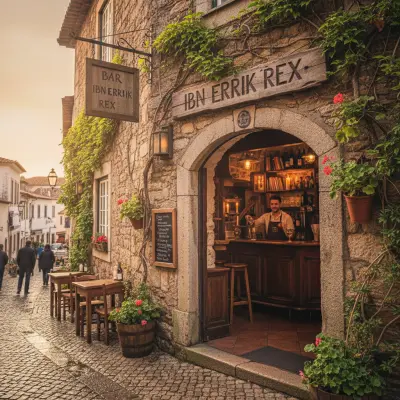
As the sun sets behind the castle walls, there is only one place to find an authentic conclusion to the day: Bar Ibn Errik Rex. This isn't a place for quick drinks. With its walls lined with dust-caked bottles and an interior that feels like a cross between an alchemist's lab and an antique shop, it is the home of the 'Ginjinha de Óbidos'. Sipping this cherry liqueur while surrounded by centuries of accumulated objects is a sensory experience that anchors you in the town's idiosyncratic soul. It shares a certain depth with the Local Culture in Lisbon: Traditions, Neighborhoods and the City's Soul, but with a specifically rural, fortified character.
Beyond the Lagoon: Liquid Heritage
To truly understand the Óbidos coast, one must look slightly inland to the hills that provide its vintage. The region's history is inextricably linked to its wine production, a tradition that predates the castle itself. A visit to the Beyond the Castle Walls: A Heritage Wine Journey at Quinta do Sanguinhal offers a profound look at this legacy. Walking through the 19th-century distilleries and the ancient pressing rooms provides a context that no beach day can offer, it is the taste of the earth that sustains this entire coastal economy.
This region offers a balance that is rare in modern travel. You have the quiet, shallow waters of the lagoon, the violent majesty of the ocean, and the cultural density of the town. It’s a trifecta that makes it superior to the more crowded coastal hubs. Even the most seasoned travelers who know the Sintra Neighborhood Guide: Discover Every Corner of the Enchanted Town will find something refreshingly unpolished about the Óbidos coastline.
Practicalities for the Discerning Traveler
- Timing: The 'golden hour' in Óbidos is actually late September. The northerly winds (Nortada) begin to die down, the lagoon is warm enough for a dip, and the light has a clarity that is perfect for photography.
- Budget: Expect to spend around €100-140 per day for two. This covers a rental car, a high-quality lunch of grilled fish by the lagoon, and several rounds of regional specialties in the village.
- Gear: A windbreaker is non-negotiable, even in mid-August. The temperature can drop 10 degrees the moment you move from the sheltered lagoon to the ocean front.
- Navigation: Avoid the main roads when possible. The small N-roads winding through the apple orchards (Maçã de Alcobaça) provide a much more scenic approach to the lagoon than the highway.
The Óbidos coastline isn't a place for those seeking a standardized holiday. It is a destination for the opinionated traveler, the one who values the texture of the sand, the heritage of the vine, and the raw, unedited power of the Atlantic. It is a coastal escape that feels earned, rather than merely visited.