Spring in Sagres: A Botanical Study at the Edge of Europe
Explore the botanical resilience of the Sagres Plateau, where endemic species transform the rugged cliffs into a gallery of wild biodiversity. A guide for the discerning traveller seeking the raw beauty of the windward Algarve in spring.
The Austere Elegance of the Sagres Plateau
Sagres is not for the faint of heart, nor for those seeking the manicured luxury of the central Algarve’s golden mile. It is a place defined by its edges, where the European continent terminates in dramatic limestone cliffs and the Atlantic air carries a permanent scent of salt and wild herbs. In spring, this rugged landscape undergoes a transformation that is as subtle as it is profound. Far from the lush, irrigated gardens of the east, Sagres offers a masterclass in botanical resilience. The limestone pavement of the Promontorium Sacrum becomes a living gallery of endemic flora, an essential pilgrimage for the discerning naturalist and the traveller who finds beauty in the sparse and the specific.
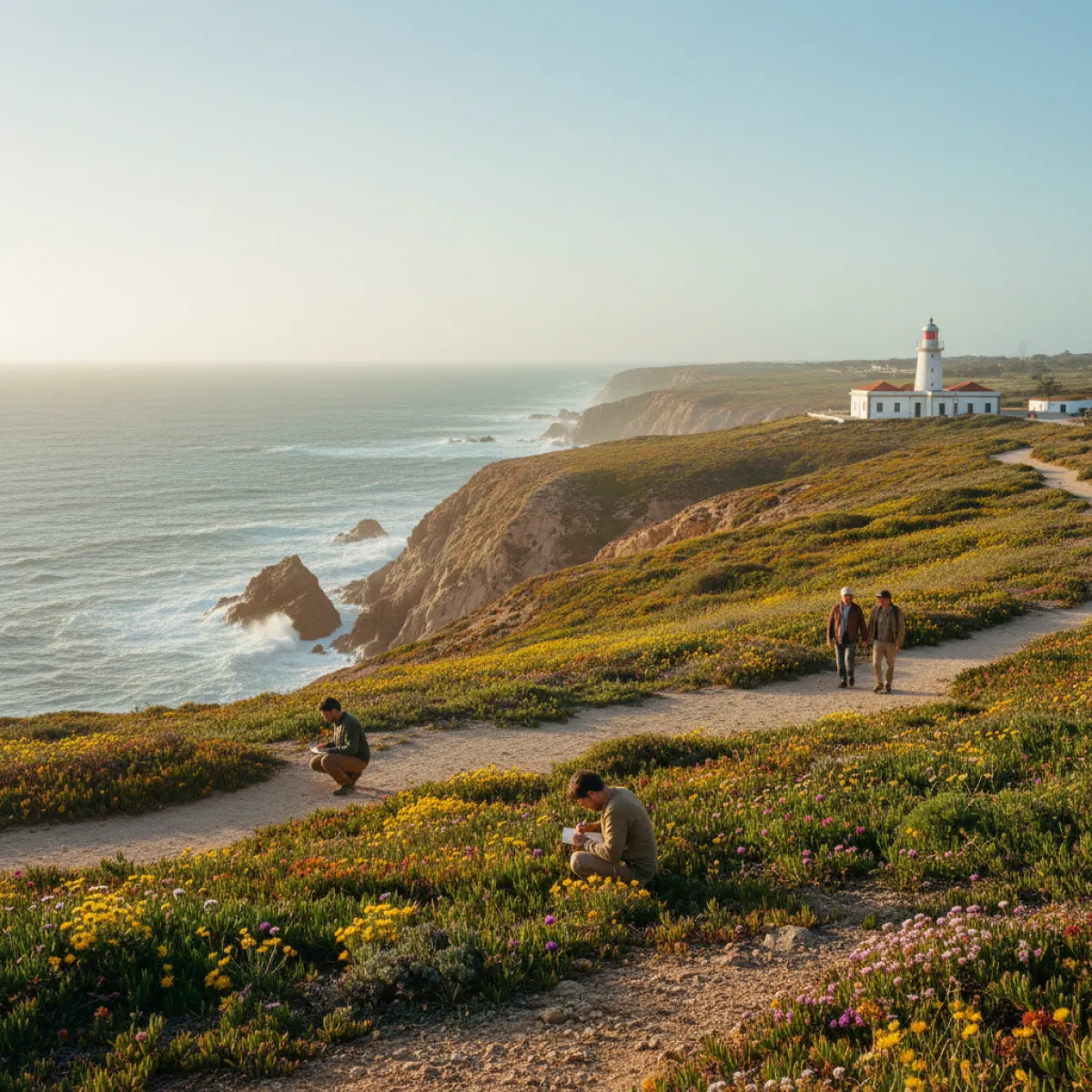
Between March and May, the plateau is carpeted with species that have evolved to withstand the relentless 'nortada' winds and the abrasive salt spray. For the visitor, this means a sensory experience that is entirely unmanufactured. The geology here, Jurassic limestone weathered into jagged karst, creates a series of micro-environments where rare orchids and hardy shrubs find purchase. Unlike the more traditional tourist hubs, Sagres demands a slower pace and an observant eye to truly appreciate its seasonal bloom.
Botanical Highlights: A Shoreline Walk
The most rewarding way to experience this floral awakening is on foot, specifically the stretch between the Sagres Fortress and the Cape Saint Vincent lighthouse. This coastal path is arguably the most biodiverse six-kilometre stretch in Portugal. As you walk, the contrast with the rest of the region becomes clear. While one might look to the Local Culture in Faro: Traditions and Experiences of the Authentic Algarve to understand the Moorish influence and urban traditions of the capital, Sagres is a realm where nature remains the primary architect. The Jardim de Sagres is not a walled enclosure but the entire natural park itself, a vast expanse of shrubland and sea-cliff vegetation.
Look for the Cistus palhinhae, an endemic rockrose with large, paper-white flowers that seem almost too delicate for such a harsh environment. In the crevices of the limestone, you will find the Narcissus gaditanus, a miniature yellow daffodil that signals the height of spring. These are not just plants; they are survivors, clinging to a landscape that offers little in the way of shelter. This raw authenticity is a stark departure from the more commercialised areas of the coast, such as the bustling centres described in our Local Culture in Albufeira: Traditions, Festivals and the Algarvian Soul.
Practicalities: Timing and Provisions
To witness Sagres in bloom, timing is everything. The peak usually occurs in early April, though a mild winter can push the season forward into late February. The weather is unpredictable; expect bright, piercing sun one moment and rolling sea mist the next. A technical windshell is more useful here than any fashion-forward resort wear. For those using nearby towns as a base, our Lagos Neighborhood Guide: Discover Every Corner of This Algarve Gem provides the necessary context for choosing a stay that balances proximity with amenity, as Sagres itself remains refreshingly underdeveloped.
- What to Wear: Sturdy hiking boots for the karst terrain and high-SPF sun protection, as the wind often masks the intensity of the sun.
- Budget: A mid-range daily budget of €120 per person covers high-quality local dining and comfortable boutique accommodation.
- Gastronomy: Order the percebes (goose barnacles). They are the quintessential taste of the Vicentine coast, harvested from the cliffs you are walking upon.
Dining and the Barlavento Spirit
The culinary scene in Sagres reflects its environment: honest, marine-focused, and largely devoid of the artifice found in more tourist-centric districts. At A Tasca, overlooking the fishing harbour, the focus is on the daily catch. The Arroz de Lingueirão (razor clam rice) is a masterclass in simplicity. This is the Barlavento, the windward side, where the pace of life is dictated by the swell of the ocean. It is a world apart from the central Algarve's golf courses and beach clubs, offering a more intellectual and sensory form of travel.
For accommodation, the Memmo Baleeira provides a minimalist aesthetic that complements the surrounding landscape without competing with it. Rates in spring are significantly lower than the summer peak, making it an ideal time for a retreat. Expect to pay around €140 for a room with a sea view, a small price for the privilege of waking up to the sound of the Atlantic crashing against the cliffs.
Conservation and the Modern Traveller
The beauty of the Sagres wildflowers carries a responsibility. This is a fragile ecosystem where many plants are on the brink of extinction. Staying on marked trails is not just a suggestion; it is a necessity for the preservation of species like the Biscutella vicentina. The modern traveller to Sagres is an observer, not a collector. As you stand at the edge of the continent, watching the sun dip below the horizon at Cape Saint Vincent, the importance of these wild spaces becomes undeniable. Spring here isn't just a season; it's a reminder of the enduring power of the natural world in its most uncompromising form.