Silves: Crafts and Souvenirs Worth Bringing Home
In Silves, the best souvenirs aren't in the tourist shops near the castle. Handmade cork, serra-distilled medronho, rosemary honey, and utilitarian ceramics: here's what's actually worth bringing home from the Algarve's old Moorish capital.
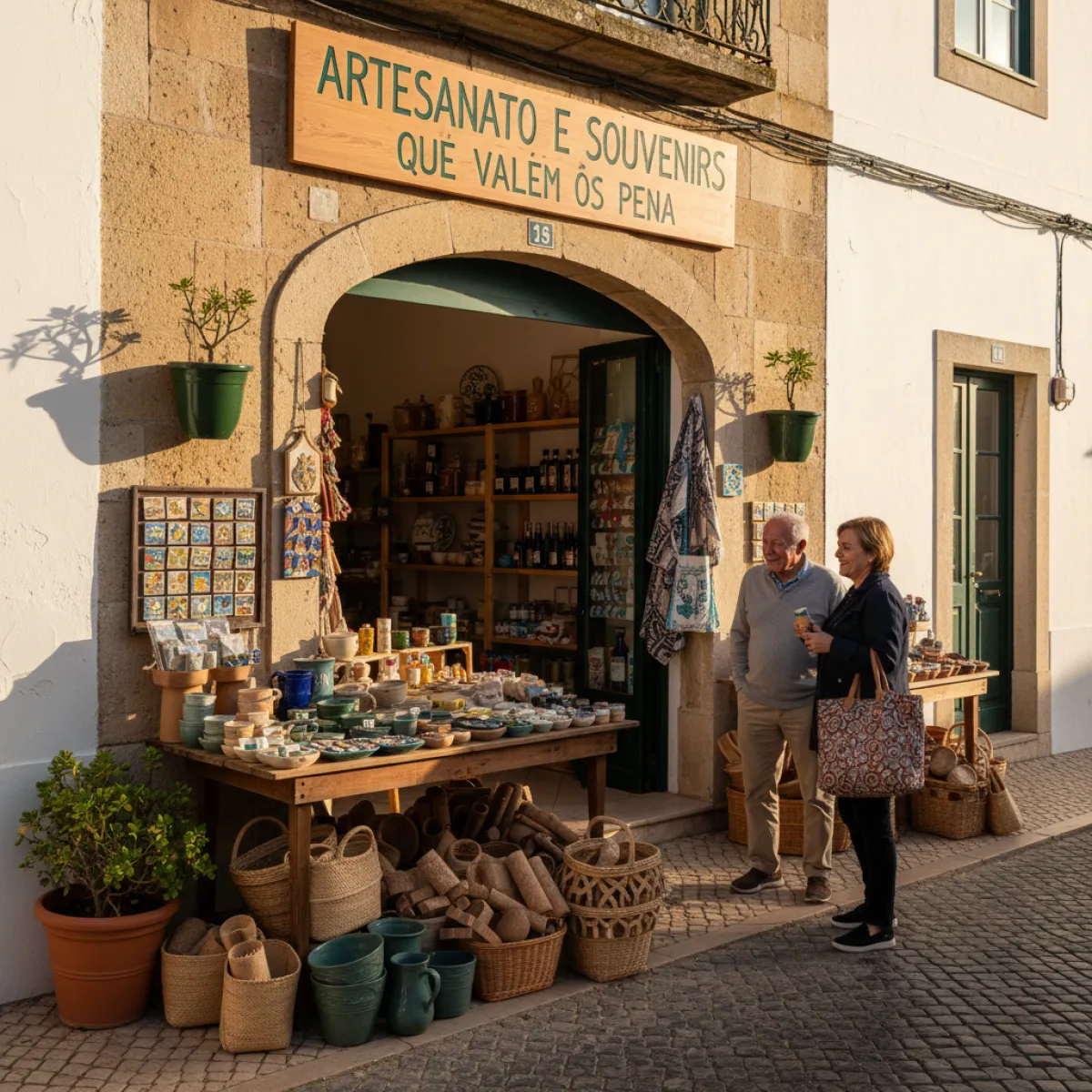
Here's a souvenir rule that will save you money and shelf space: if it has "Algarve" printed on a fridge magnet, keep walking. The best things to bring home from Silves aren't found in tourist shops near the castle gates. They're at the market, in a workshop, or in the hands of someone who still makes things the old way.
Silves has an edge over the coastal Algarve towns when it comes to authentic crafts. Without the relentless pressure of beach tourism, what's made and sold here tends to be more genuine, less geared towards disposable trinkets. And the city, with its red sandstone streets and centuries of Moorish history, carries a craft tradition that goes well beyond generic tile souvenirs.
Cork: the gold of the inland Algarve
If one material defines southern Portugal, it's cork. The cork oaks blanketing the hills between Silves and Monchique produce some of the world's finest cork, and Portugal accounts for more than half of global production. Forget the two-euro cork keyrings sold in Lisbon. In and around Silves, you'll find cork craftsmanship that's in a different league: wallets, bags, hats, even shoes, made by artisans using techniques passed through generations.
Good cork feels soft, almost textile-like. If it's rigid or smells like plastic, it's probably low-grade cork with industrial finishes. Look for pieces that show the material's natural texture, with real stitching rather than glue. A fair price for a handmade cork wallet is around 15 to 40 euros depending on size and complexity. Cheaper than that, be suspicious.
If you want to deepen your connection to the landscape that produces this material, the Caldas de Monchique thermal spa day trip from Silves takes you through cork oak forests on the way to the mountains. Less than thirty minutes from town, and the drive alone is worth it.
Ceramics and pottery: a tradition that endures
The Algarve has a ceramic tradition stretching back to the Moorish occupation. Silves, which served as the capital of Islamic Algarve, sits at the centre of that history. Archaeological digs at the castle and surrounding areas continue to uncover pottery fragments from the 11th and 12th centuries, and that heritage shapes what's still produced in the region today.
What to look for: utilitarian ceramics, not decorative. Handmade Algarvian plates, bowls, and jugs have a distinctive aesthetic, with glazes in honey, olive-green, and deep blue tones. They're beautiful, yes, but they were designed for the oven and the table. An Algarvian clay dish is a souvenir you'll use every day, not something that collects dust on a shelf.
The cataplana is perhaps the most iconic object in Algarvian cooking. This hinged copper vessel, shaped like a clamshell, seals shut to steam seafood, meat, and vegetables. An authentic handmade copper cataplana costs between 40 and 100 euros depending on size. The cheaper industrial aluminium versions exist, but they lack the quality and the character. If you buy one, go for copper and ask the seller about its origin.
The Municipal Market: where the hunt begins
Any serious search for local crafts and products in Silves starts at the Mercado Municipal. It's a small market compared to Loulé or Olhão, but that's precisely what makes it interesting: here you buy from the people who produce, without middlemen or tourist theatre.
Beyond fruit and vegetables (Silves oranges are famous, and rightly so), the market is the right place to find serra honey, artisan jams, regional liqueurs, and sometimes cork and ceramic work from local producers. Carob blossom honey and rosemary honey are regional specialities. A jar of good Algarvian honey costs between 5 and 12 euros and is, honestly, one of the best gifts you can bring home.
The Silves food tour through the market and Moorish streets is an excellent way to discover local products with historical context, especially on a first visit.
Medronho and liqueurs: the liquid souvenir
Medronho is an eau-de-vie distilled from the berries of the arbutus tree, which grows wild across the Algarvian hills. It's the most distinctive spirit of southern Portugal, and quality varies enormously. The industrial medronho found in supermarkets is one thing. Artisanal medronho, distilled in copper pot stills by serra producers, is something else entirely: smooth, fruity, with a long finish.
In and around Silves, you'll find homemade medronho at markets, fairs, and sometimes directly from producers. A bottle of good artisanal medronho costs between 10 and 25 euros. Taste before you buy, if possible. Good medronho doesn't burn your throat.
Another classic is almond liqueur, sweeter and more approachable. Almonds are one of the Algarve's traditional crops, and liqueurs made with local almonds have an intensity of flavour that industrial versions can't match. You'll also find fig liqueur and carob liqueur, both typical of the region.
Conventual and almond sweets
Algarvian confectionery is a world of its own. Based on almonds, figs, eggs, and sugar, it has roots in both conventual tradition and Moorish influence. Marzipan-style sweets moulded into fruit and animal shapes are probably the most recognisable, found in pastry shops across the Algarve.
In Silves, look for morgados (dense almond and egg cakes) and Dom Rodrigos (delicate sweets of almond and egg threads wrapped in colourful foil). They're fragile to transport, but worth the care. Buy them fresh, from pastry shops that make them the same day.
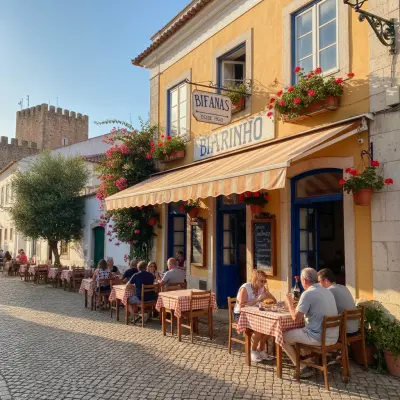
If you need fuel between shopping and sweet-tasting, Bifanas do Marinho is a mandatory stop. No crafts, but pork bifanas that justify the detour and give you energy to keep exploring.
What to avoid: a quick anti-junk guide
Not everything that glitters is gold, and any tourist town has its traps. Here's what not to buy:
- Barcelos Roosters: they're from the Minho region, not the Algarve. It's like buying a miniature Eiffel Tower in Rome.
- "Antique" tiles sold on the street: almost always industrial reproductions sold at antique prices. If you want tiles, buy honest reproductions from artisans who make them by hand.
- Olive oil without labels or origin markings: the Algarve produces excellent olive oil, but always buy with DOP certification or clear producer information.
- Anything with "Made in China" on the label: seems obvious, but check. Many souvenir shops sell imported goods as if they were local.
Fairs and events: when the crafts come to you
The Silves Medieval Fair, held every August, is one of the largest events of its kind in the Algarve. For about ten days, the historic centre fills with craft stalls, demonstrations of traditional trades, and performances. It's touristy, sure, but it's also a chance to watch blacksmiths, weavers, and potters working live and to buy directly from the makers.
Outside fair season, keep an eye out for seasonal markets and producer fairs that happen with some regularity in the region. The Silves municipal council typically announces these events in advance.
Beyond Silves: craft traditions across the Algarve
Silves is an excellent starting point, but the Algarve's craft tradition extends across the region. If you have time, it's worth exploring what neighbouring cities offer. Faro's local culture has its own traditions worth discovering, and Albufeira's cultural traditions offer a different window into the authentic Algarve.
Lagos, further west, has its own interesting artisan scene too, and our Lagos neighbourhood guide helps you find the corners where local craft hides from the crowds.
The best souvenir from Silves
If I had to pick one thing to bring home from Silves, it would be a bottle of artisanal medronho and a jar of serra honey. Together they cost under 30 euros, they fit in your luggage, and when you open them at home they'll transport you back to the red sandstone streets and the scent of orange blossom that hangs in the winter air.
But the real souvenir, of course, is the conversation with the producer at the market. The woman who explains how her grandfather already made medronho the same way. The artisan who shows you how to fold cork without cracking it. Those stories can't be wrapped in paper, but they're what turns an object into a memory.
And if all that shopping makes you hungry, you know the drill: bifana at Marinho and a walk up to the castle to digest. Silves deserves more than a two-hour stopover. Give it at least a full day.