Silves Beyond the Castle: A Historic Centre Walking Route
Most visitors climb Silves Castle and leave. The historic centre below, with its Gothic cathedral, local market, and Moorish street plan, is where the city actually gets interesting. A walking route with stops for bifanas and fresh-squeezed orange juice.
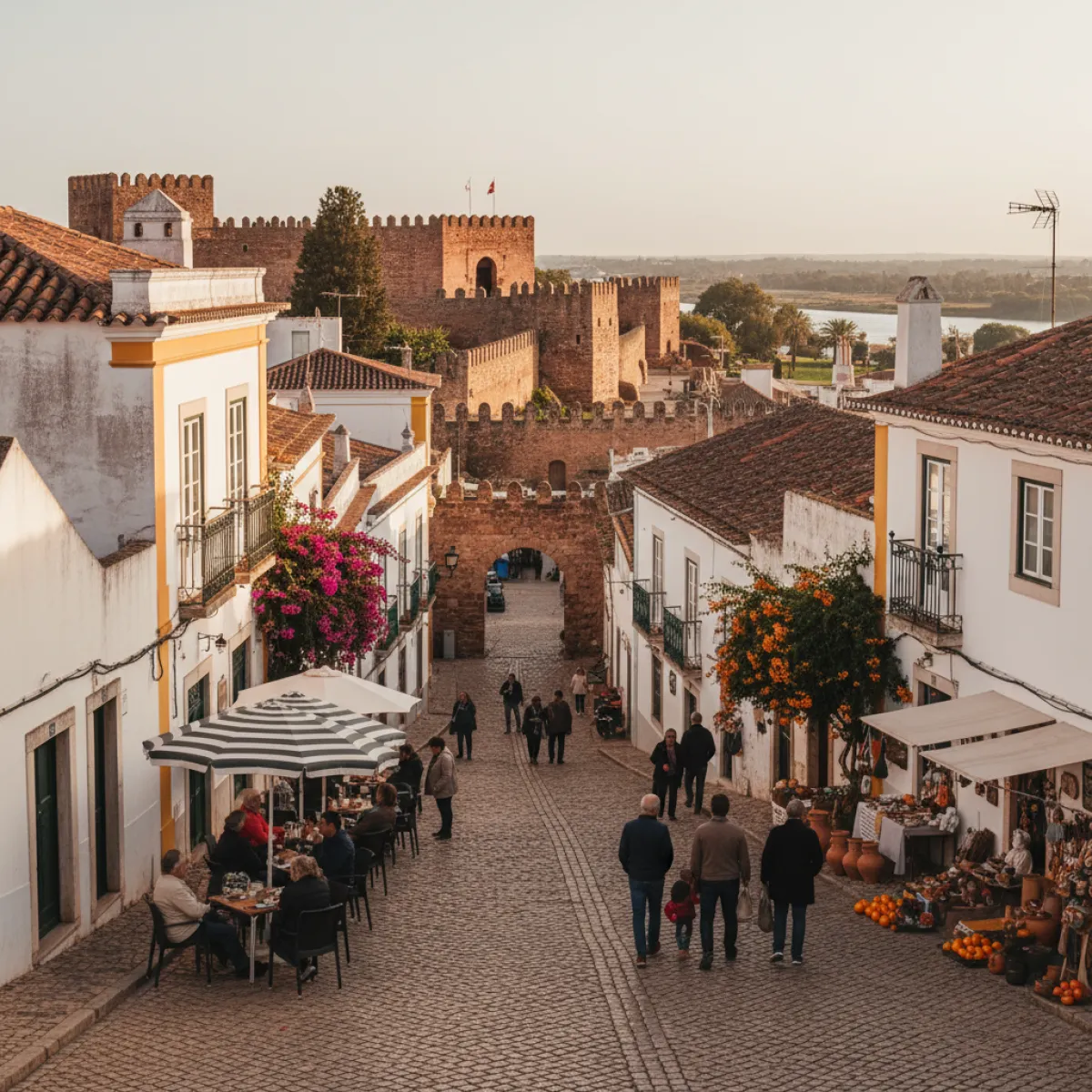
Everyone climbs up to Silves Castle. Fair enough. The red sandstone walls are among the most impressive in the Algarve, and the views over the Arade valley earn every cent of admission. The problem is that most people come back down, get in the car, and leave. That's exactly when it gets interesting.
The historic centre of Silves is one of the most underappreciated things in southern Portugal. It doesn't have Tavira's reputation or Lagos's crowds, and that's precisely why it works. Narrow streets sloping down towards the river, whitewashed facades with stone trim, and a human scale that lets you cover everything on foot in two or three hours. But rush through it and you'll miss what matters.
Start at the Cathedral, Not the Castle
My suggestion is counterintuitive: instead of heading straight to the castle, begin at the Sé Catedral de Silves, just below it. Built in the 13th century on what was likely the city's former mosque, it's austere on the outside but holds a Gothic interior worth your attention. Look for the medieval tombs and the ribbed vault in the main chapel. It's no Alcobaça, but for the Algarve, this kind of medieval architecture is rare. Admission is cheap, and the interior is a welcome refuge from summer heat.
From the Sé, walk down Rua da Sé towards the centre. This sloping street, lined with old houses, is the backbone of the old quarter. Before ten in the morning, you'll likely have it almost to yourself. Cats on doorsteps, laundry strung between windows, and that particular quiet of Algarvian towns before the heat kicks in.
The Municipal Market: The City's Real Heart
If there's one place in Silves where you should linger, it's the Municipal Market. It's not large, it's not fancy, but it's real. On Saturday mornings, local producers bring fruit, vegetables, honey, preserves, and cured meats. Prices are honest and the quality is that of people who grow for themselves and sell the surplus. Buy Algarve oranges between November and March: they're among the best you'll taste in Portugal.
The market is also the starting point of the food tour that winds through the market and old Moorish streets, combining the city's Islamic history with tastings of local products. If you have half a day and want to understand Silves beyond the tourist surface, it's a solid choice.
The Moorish Medina: What Remains and What You Imagine
Silves was the capital of Islamic Algarve. Not the quiet provincial town it is today, but a wealthy, cultured city that Arab travellers compared to Baghdad. This was the 12th century. It might sound like an exaggeration, but the evidence is there if you know where to look.
The area between the castle and the river roughly corresponds to the old medina. The street plan retains its Moorish logic: winding lanes, dead-end alleys, interior courtyards. Don't expect explanatory panels on every corner. This isn't a curated open-air museum. It's a real city where people live, and it takes some imagination to overlay the past onto the present. The Almohad cistern inside the castle (that one is a genuine must-see) gives you a sense of the hydraulic sophistication of the era.
If this sparks your curiosity about the Arab legacy in the Algarve, our guide to local culture in Faro digs deeper into the traditions that run through the region.
Where to Eat: The Bifana as a Quality Metric
Silves isn't a gastronomy destination and I won't pretend otherwise. But it has honest food, generous portions, and reasonable bills. And it has one address worth seeking out.
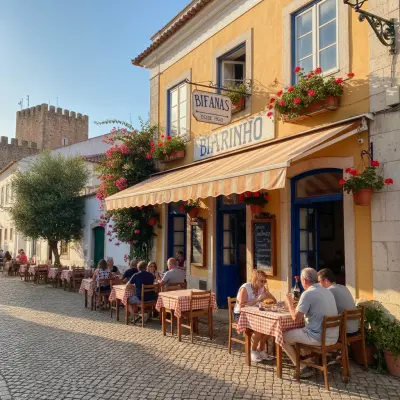
Bifanas do Marinho is the kind of place you either know about or you don't. No flashy frontage, no lifestyle magazine features. Just bifanas done right: well-seasoned pork, bread that soaks up the sauce without falling apart, and a tasca atmosphere where nobody asks if you want still or sparkling. Order the bifana and a beer. Don't overthink it.
For a more substantial meal, there are restaurants in the centre with solid grilled fish and cataplana options. River fish, if you spot eel or shad on a menu, is harder to find these days, but when it appears, it's a direct link to the Arade flowing right beside you. Check locally for what's available, as it varies by season.
The Silves Orange
If you visit between February and March, you're in orange season, and Silves is synonymous with citrus in the Algarve. Get a fresh-squeezed orange juice at any café in the centre. It costs next to nothing and tastes the way orange juice should taste. Note: the Medieval Fair is in August, not citrus season, despite what some guides conflate.
The Roman Bridge and the River Arade
The bridge over the Arade, often called the "Roman bridge," is actually medieval in origin, possibly with older foundations. Regardless of the exact dating, it's the best vantage point for a photograph of Silves: the castle crowning the hill, the Sé just below, and the river in the foreground. In the late afternoon, the light on those red walls needs no Instagram filter.
The walk along the river is short but pleasant. There are shaded benches, and in warmer months you might see kayakers heading upstream. If the idea of a relaxed day appeals, the thermal spa at Caldas de Monchique is less than 30 minutes by car and pairs perfectly with a morning in Silves.
The Municipal Archaeology Museum
Set beside the town wall, the Museu Municipal de Arqueologia is small but well-curated. The collection spans from the Palaeolithic to the Islamic period, with the integrated Almohad cistern and Arab-era artefacts as highlights. Don't expect a major institution, but for anyone wanting historical context before wandering the streets, it's a smart stop. Check opening hours before you go, as they may vary outside peak season.
Practical Logistics
Getting There
Silves is about 50 km from Faro, easily accessible via the A22 motorway or the EN124. By train, Silves station is roughly 2 km from the historic centre, served by the Algarve line. It's doable on public transport, but a car gives you more flexibility, especially if you want to combine with Monchique or coast beaches.
From Lagos (30 minutes by car), Silves works well as a half-day trip. If you're exploring that area, our Lagos neighbourhood guide will help you make the most of your time there.
How Long
Half a day is the minimum for the castle, the Sé, the market, and lunch. A full day allows a more human pace: coffee stops, the museum, a stroll along the river. Silves is not a place to be in a hurry.
Best Time to Visit
Spring (March to May) and autumn (September to November) are ideal. Summer works if you start early, but interior Algarve heat is serious: expect 40°C in July and August. The Medieval Fair in August draws crowds, which is great for atmosphere but terrible for parking.
The Algarve That Doesn't Make the Brochure
Silves belongs to an Algarve most visitors never see. The interior, the hills, the towns with history stretching far beyond the beach resorts. If this interests you, it's worth reading what we've written about local culture in Albufeira, which also has more to offer than the Strip and the karaoke bars.
But Silves has something the coastal cities don't: a direct relationship with the land and with history. Here, tourism didn't define the place's identity. The place had its identity nine hundred years ago. The castle is just the calling card. The real route is in the streets that slope down to the river.