Sagres in Summer: Markets, Figs and Seasonal Fruit
At seven in the morning, before the northeast wind picks up, vans from Aljezur unload peaches, small melons and ripe white figs. An honest guide to buying seasonal fruit around Sagres, month by month, with real prices and what to cook after.
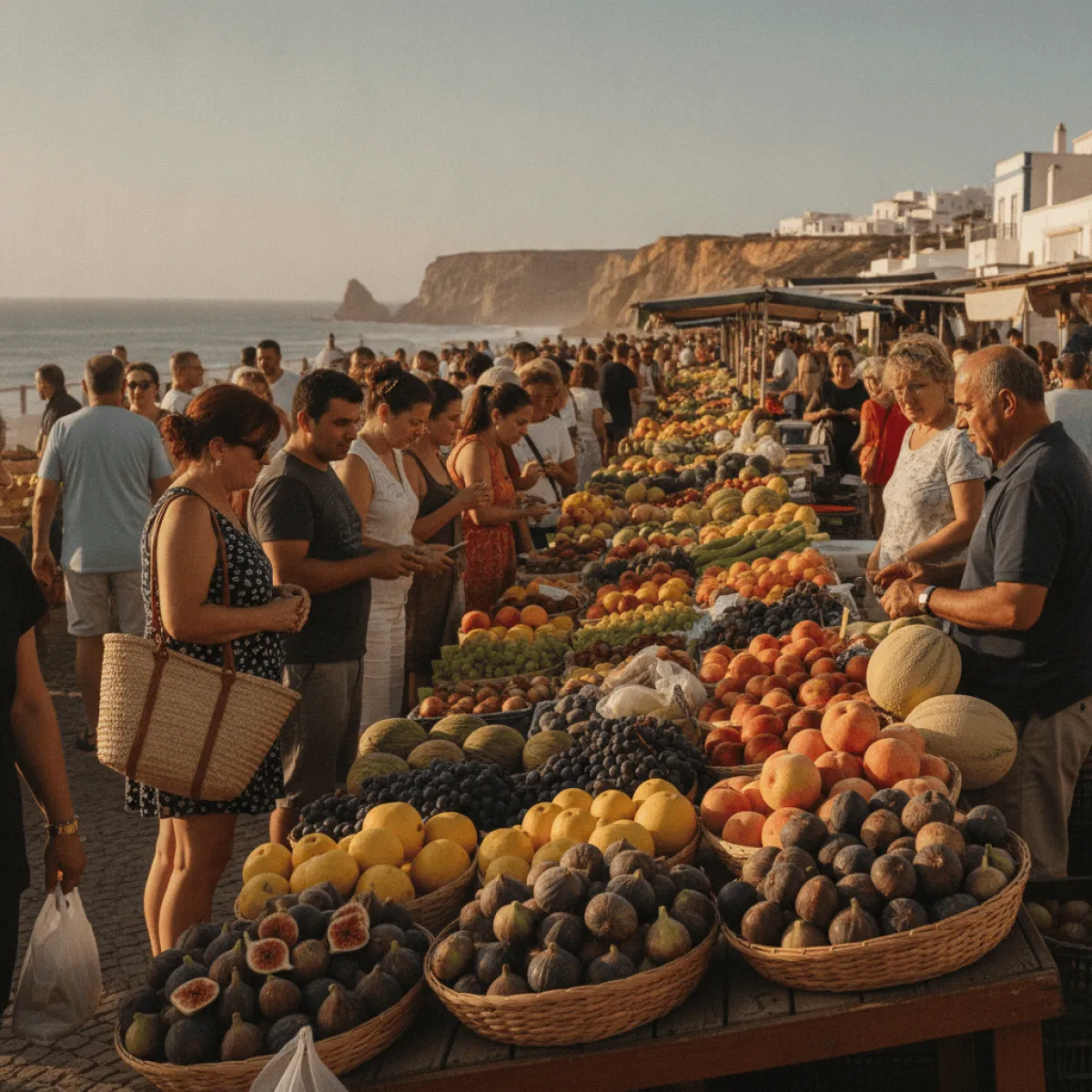
There's a very specific hour when Sagres in summer makes sense: seven in the morning, before the northeast wind picks up, when growers' vans from Aljezur and Vila do Bispo unload blue plastic crates of peaches, ox-heart tomatoes and small melons that fit in your hand. It's not postcard material. It's the smell of ripe melon mixed with diesel, an older woman weighing figs on a balance scale that still works, the café on the square pouring espressos at 80 cents before the price quietly goes up when tourists arrive around ten.
This guide is about that. About what's in the crates, in which month, in which market. About what's worth buying in Sagres and what's better picked up in Vila do Bispo or Raposeira. And about how to fit a market morning into a day of beach, surf, jeep safari or coastal walk, without it feeling like a chore.
The fruit calendar: what's good, when
City life makes us forget this, but in the Algarve fruit has a short, violent season. Everything happens fast, lasts three weeks, then disappears. Knowing the calendar is the difference between eating a melon that tastes like a melon and eating a melon that tastes like water.
June: loquats, late cherries, first peaches
Algarve loquats, particularly those from Alcantarilha and Silves, finish by mid-June. If you can still find small crates for 2 or 3 euros, buy them. They're eaten by hand, in the car, on the way to Praia da Mareta. The first peaches show up at the end of the month, still firm, slightly tart. The best ones aren't in Sagres: they come from orchards in the Algarve interior, brought in by growers who drive 40 minutes to sell half a van.
July: melon, watermelon, peak peach, first early figs
July is the month worth setting an alarm for. The small oak-rind melon, with honey-coloured flesh, is the star. It costs between 1.50 and 2.50 euros per kilo at growers' markets, double that at supermarkets. The early figs (lampos), the first wave of the year, appear at the end of the month: black, sweet, fragile. They don't survive 24 hours out of the fridge, so buy and eat the same day.
August: white figs, table grapes, big melons
The white fig is what defines August in the Algarve. There are fig trees almost everywhere, and growers bring them in shallow crates so they don't crush. The rule: if a drop of honey beads at the base when you tip the fig, it's ripe. If it's firm, leave it for tomorrow. Table grapes, especially the small Moscatel, start to appear.
September: dried figs, fresh almonds, pomegranates, grapes
September is, in my opinion, the best month to visit Sagres. Fewer people, calmer wind, and the market changes colour. Fresh figs give way to loose dried figs in jute sacks. Fresh almonds arrive still in their green shells, and anyone who knows how to peel them gets a flavour that has nothing to do with the roasted almonds at the supermarket. Algarve pomegranates, smaller and more acidic than imported ones, start at the end of the month.
Where to buy: the real map, not the tourist one
Sagres doesn't have a big covered municipal market with fish and butcher stalls. What it has is better and worse at the same time: small grower fairs, informal vendors, and the bigger markets in the surrounding villages. Here's what works.
Vila do Bispo market, first Friday of the month
Twenty minutes by car from Sagres, and this is where the serious growers are. Fruit, vegetables, goat's cheese from Barão de São Miguel, strawberry-tree honey, cured meats. Go early, before nine. Free parking by the church square, but it fills up fast. Bring cash: very few vendors take cards.
Raposeira market, sporadic in summer
The village of Raposeira, halfway between Sagres and Vila do Bispo, has irregular little fairs in summer, usually Saturday mornings. Small, local, with that rare balance between grower and customer who already know each other by name. No official schedule, ask locally.
Vendors at Largo do Pescador, Sagres
During high season, some producers park vans near the harbour mid-morning. They sell what they picked late the afternoon before. It's not regular, depends on mood and wind, but if you see a white van with crates of figs and a lady in a straw hat, stop.
Lagos municipal market, every day
If you want the full covered-market experience, with fresh fish on the ground floor and fruit on the first, the trip to Lagos, 35 minutes east, is worth it. It's also an excuse to explore the city properly, which makes more sense with this Lagos neighborhood guide in hand.
What to cook with all this, if you have a kitchen
Half the visitors to Sagres rent an apartment with a kitchenette. The other half eats out every meal. If you're in the first half, buying at the market makes sense. Here are three practical ideas, none requiring more than a frying pan.
Fig, goat's cheese and almond salad
White figs cut in quarters, crumbled goat's cheese from Barão de São Miguel on top, almonds toasted in a dry pan, a drizzle of olive oil, a turn of black pepper. No vinegar, the fig already has enough sweetness. Eat it with Alentejo bread and a cold glass of arinto white wine.
Melon and ham, the honest version
It's not a cliché by accident, it's a cliché because it works. But only with a genuinely ripe melon and decent cured ham. If the melon needs sugar to taste like anything, you bought the wrong melon. It'll cost you around 8 to 10 euros to feed four people.
Ox-heart tomato with coarse salt and olive oil
Summer Algarve tomato needs nothing else. Cut in thick slices, coarse salt, extra-virgin olive oil, basil if you have it. To go with a sandwich or eat on its own late afternoon with toast. Whatever it costs, it's worth it: a real grower's tomato has no comparison.
For those who don't cook: where seasonal fruit shows up on menus
The restaurants in Sagres that pay attention to the calendar are few, but they exist. Look for places that change the menu two or three times across summer. The others will always serve you the same sun-dried tomato and Spanish melon salad.
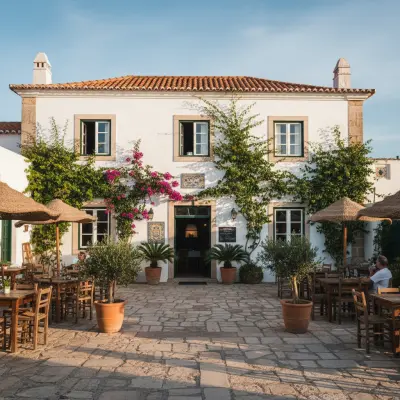
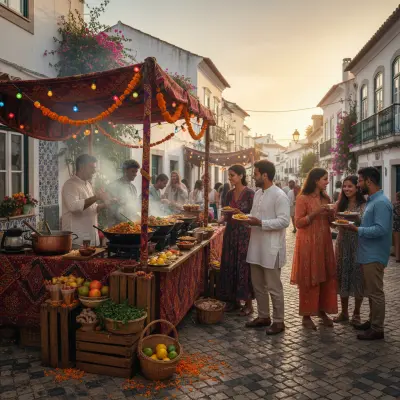
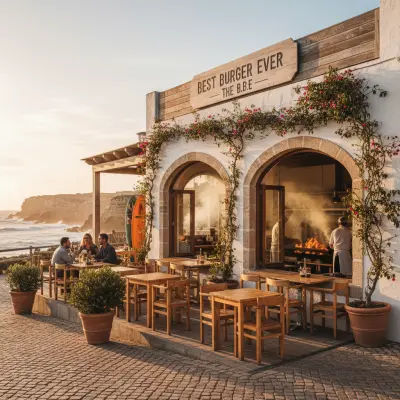
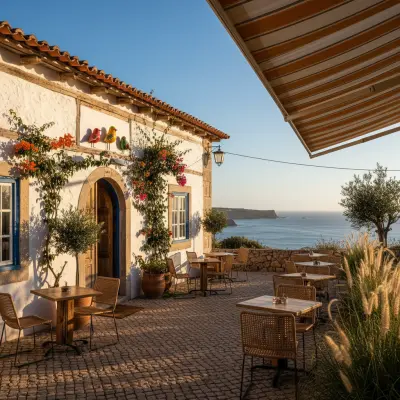
Three Little Birds is one of those that knows what's in the crates. Small plates, ingredients of the day, relaxed atmosphere without being silly. Go at sunset and order whatever the waiter says arrived that morning. For something less predictable, HoliDiwali Street Food uses local fruit in chutneys and raitas, an unlikely Goa-meets-Algarve cross that works. If the market morning has turned into a hunger for a serious lunch and you've run out of patience for feeling sophisticated, Best Burger Ever handles it without ceremony.
How to plan the morning: a route that works
Market and beach, in the same morning, is possible and good. Here's how.
- 7:00 am: coffee in the square, in Sagres. Espresso and toast with butter.
- 7:30 am: leave for Vila do Bispo. 20 minutes by car on the N268.
- 7:50 am: arrive at the market before the best crates disappear.
- 9:00 am: drive back to Sagres with fruit in the boot, inside a cool bag if the trip has more stops.
- 9:30 am: beach. Mareta for swimming, Beliche for wind, Tonel for surf.
- 12:00 pm: picnic with what you bought, under a pine at the Jardim de Sagres, the most underrated shaded spot in the village.
Combine with the rest: experiences and reading
A market morning leaves the afternoon free, and late afternoon is when Sagres changes personality. If you want out of the Mareta-Tonel-Beliche circuit and to see what's behind the hills, the jeep safari along the Wild Coast shows you valleys and beaches you can't reach with a normal car, and guides usually stop at points with wild fig and strawberry trees, depending on the season. For walkers, the guided walk through megaliths and the fortress gives the historical context that's missing if you only see Sagres through the surf lens.
To frame all this within a bigger portrait of the agricultural and culinary Algarve, read our local culture guide to Faro, which crosses traditions with what's still done today. For families who want to combine Sagres with a more cultural, cooler day, the honest family guide to Silves has ideas for an inland escape, with stops at orchards and markets along the way.
Five rules that will save you time and money
- Don't confuse a growers' market with a craft fair: the second exists for tourists, the first for neighbours. The signs say the same, the contents don't.
- Ask where it's from: if the answer is vague, thank them and move on. If it's a village you know, buy.
- Bring cloth bags and a cool bag: figs don't survive 40 minutes in a boot at 35 degrees.
- Pay in small change: 50-euro notes are an insult at 8 in the morning.
- Don't haggle aggressively: these prices are already fair. If you think it's expensive, don't buy, but don't try to bargain down like you're in a souk.
The summary, no flourishes
Sagres is famous for surf, wind and the end of the world. All true. But in August the village forgets that it's surrounded by small orchards, family kitchen gardens and growers who still bring in what they picked that morning. Anyone who takes a single market morning, in Vila do Bispo or wherever, leaves with a version of the Algarve that doesn't fit on a beach bar terrace. You go home knowing what a peach picked the same day tastes like. And in 2026, that's reason enough to set the alarm.