Ponte de Lima: Wine and Petiscos for a Perfect Evening
In Ponte de Lima, the best evening starts with a glass of Loureiro by the river and ends with aged bagaço watching the lights on the bridge. In between, there's hand-carved presunto, pica-no-chão, and red vinho verde that most visitors never try.
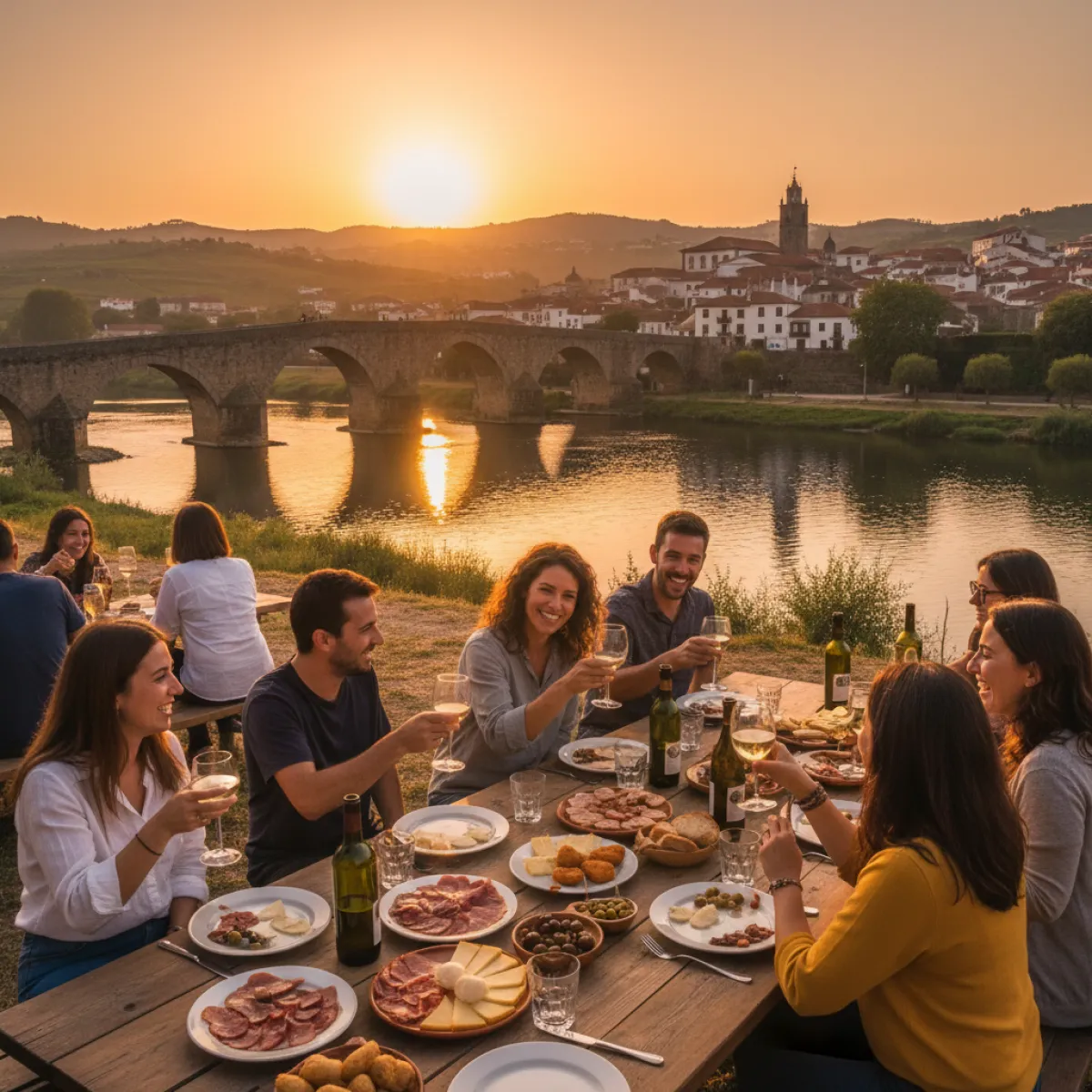
There's an hour in Ponte de Lima that's worth more than any monument. It happens between six and seven in the evening, when the sun drops over the river and the terraces start filling with people who have absolutely nowhere else to be. Glasses of vinho verde appearing on tables, little plates of cured ham making the rounds, conversations getting louder as the first glass does its work. If there's one food ritual that defines the Minho region, this is it, and Ponte de Lima does it better than almost anywhere.
This itinerary is for people who want a proper evening out. I'm not talking about sitting down for dinner and leaving. I'm talking about three to four unhurried hours, hopping between petiscos and glasses, walking through the old town, letting the night unfold at the right pace. It's the kind of evening locals do on Saturdays, and most visitors miss because they're busy photographing the medieval bridge.
Before You Start: What You Need to Know
Ponte de Lima is small. You can walk the historic center in fifteen minutes, which makes it perfect for a petiscos crawl because nothing is far from anything. The best places to eat cluster between the riverfront and the streets climbing toward the parish church.
Timing: start around 6:30 PM, especially in the warmer months. In winter, push it forward to 6 PM. The goal is to begin in daylight and end in the dark, with the Roman bridge lit up in the background. It's the kind of setting that doesn't need an Instagram filter.
Budget: expect 25 to 40 euros per person for a complete evening, including several glasses of vinho verde and four or five rounds of petiscos. Ponte de Lima is generous with its prices, this isn't Lisbon, this isn't Porto, and that makes all the difference.
First Stop: The Aperitivo by the River
Start at the riverfront, along the Alameda de São João. There are several cafés and bars with terraces facing the Lima river, and this is where you should have your first glass. Order a white vinho verde, and here's my first strong opinion: forget the commercial brands you've seen in supermarkets. Ask for the house wine or, better yet, ask if they have a single-varietal Loureiro from a local producer. Loureiro is the queen grape of the Lima valley, and when it's well made, it has a citrus acidity that wakes up the appetite like nothing else.
To accompany that first glass, order tremoços (lupin beans) and olives. Sounds simple because it is simple. The mistake many people make is starting with heavy petiscos, cod fritters, croquettes, rojões, and then having no stomach left for the rest of the night. Start light. Tremoços are practically mandatory in the Minho and cost next to nothing.
Second Stop: Petiscos Done Right
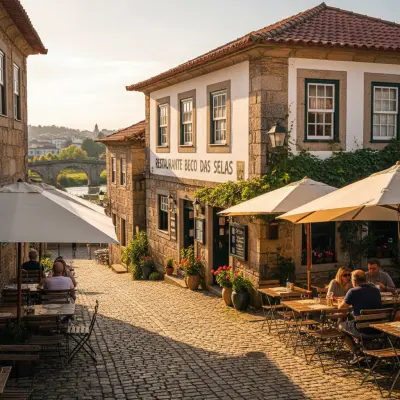
After the aperitivo, walk up toward the old town. This is where things get interesting. Restaurante Beco das Selas is one of those addresses that people who know Ponte de Lima always mention, and rightly so. It's on a narrow street, the kind of place you almost discover by accident, with an atmosphere you can't manufacture: tables close together, easy conversation with the people next to you, and a kitchen that takes petiscos seriously without turning them into fine dining plates.
What to order: if they have hand-carved presunto, start there. Minho's cured ham doesn't have the fame of Alentejo's, but a good presunto from Barroso or Vinhais, cut thick and served with a drizzle of olive oil, is every bit as good as anything you'll find elsewhere in Portugal. Also order a half-portion of pica-no-chão, marinated, fried pork pieces typical of the region, served with boiled potatoes or corn bread. It's honest food, no pretensions, and it works brilliantly with the second glass of vinho verde.
Speaking of wine: at this point in the evening, try a red vinho verde. Yes, red. Most people outside the Minho have never tasted one, and that's a shame. It's light, slightly fizzy, with an acidity that cuts through the fat of petiscos like a blade. It's not the full-bodied red of the Douro or Alentejo, it's something else entirely, and in this context it's perfect.
The Cultural Interlude
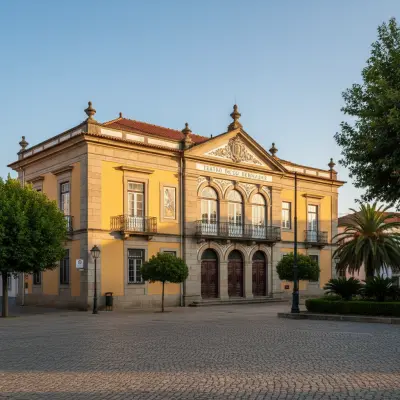
Between the second and third stops, take a digestive break. Walk through the historic center, pass by the Torre da Cadeia Velha, stroll along the Lima's banks, and if you're curious, take a look at Teatro Diogo Bernardes. It's a small theater with a program that surprises for a town this size, check their schedule before you go, because there's a decent chance the night could include a show between petiscos stops. It's not unusual for concerts or plays to start at 9:30 PM, which fits this itinerary perfectly.
This walk isn't filler. Ponte de Lima in the late afternoon has a particular quality of light, especially in spring and autumn, and the stroll between stops helps make room for what comes next.
Third Stop: The Dinner That Isn't Dinner
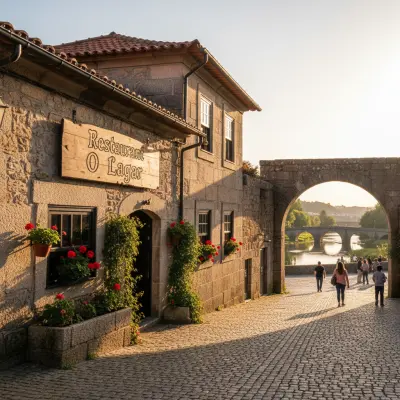
Restaurante O Lagar is where you'll land for the third act, and the idea here isn't to sit down for a formal dinner. Order petiscos, half-portions, things to share. That's the right philosophy for this evening: no full menus with starter, main, and dessert. You're here to taste, not to stuff yourself.
Minho petiscos follow a logic worth understanding: there's always something fried (cod fritters, pataniscas, rissóis), something cured (ham, chouriço, cheese), and something more substantial for those who want more (octopus, cod, rojões). At a table of four, order three or four things to start and add as appetite dictates. Nobody in the Minho gets offended if you order more, they get offended if you leave food on the plate.
This is the moment to switch to an Alvarinho. Yes, I know Loureiro is Ponte de Lima's grape, but a good Alvarinho from Monção or Melgaço, especially with seafood or fish petiscos, is hard to beat. If the restaurant carries a Soalheiro or an Anselmo Mendes, don't hesitate.
The Final Glass: The Digestif
After O Lagar, walk back toward the river for the last glass of the night. It might be a bagaço, and let me be clear: I'm not talking about the bagaço your grandfather drank, that transparent liquid that could double as rocket fuel. The Minho today produces seriously good aguardentes, barrel-aged, meant to be sipped slowly. Order a bagaço velho and drink it while watching the lights reflect on the Lima's water.
If bagaço isn't your thing, a moscatel or a chilled vinhão will close the night just as well.
And the Day After?
If this evening of petiscos has left your body asking for mercy, Ponte de Lima has answers. The Ritual of Silence at Axis Wellness is the kind of experience that undoes the previous night's excesses, and in the Minho, where excess at the table is practically obligatory, having a recovery plan isn't luxury, it's strategy. If you prefer something more private, the retreat experience at Carmo's Boutique Hotel is another option worth looking into.
And if you're staying in the region for more than a day, which you should be, consider extending to Barcelos, half an hour away by car. There's a guide to serious coffee in Barcelos that's required reading for anyone who likes to start the morning properly.
Practical Notes
Ponte de Lima is about 80 km from Porto and 25 km from Viana do Castelo. Driving is the most practical option, the A27 takes you straight to town. Free parking exists on the outskirts of the center, though on weekends you might need to search a bit.
Best time for this itinerary: May through October, when terraces are open and the sun sets late. But winter has its charm, fewer people, same prices, and the fireplace in a Minho restaurant in December is worth the trip alone.
One last note: on alternating Tuesdays there's a market in Ponte de Lima (it's the oldest fair in Portugal, documented since 1125). If you can time your visit to coincide with market day, even better, the stalls selling cheese, cured meats, and vinho verde are petiscos in themselves.