Óbidos: The Grammar of Romance Within Walls and Orchards
Discover Óbidos through a sophisticated lens, from its medieval walls to the historic cellars of Quinta do Sanguinhal. An essential guide for couples seeking authenticity, prestige wines, and the silent nights of the Queens' Town.
The Weight of History on the Queens' Path
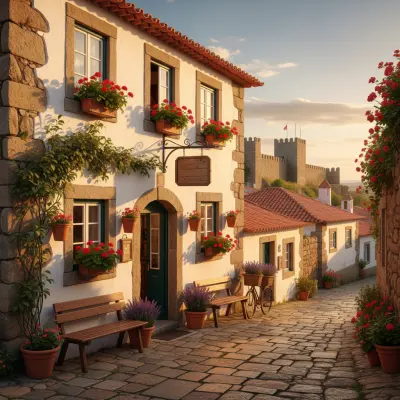
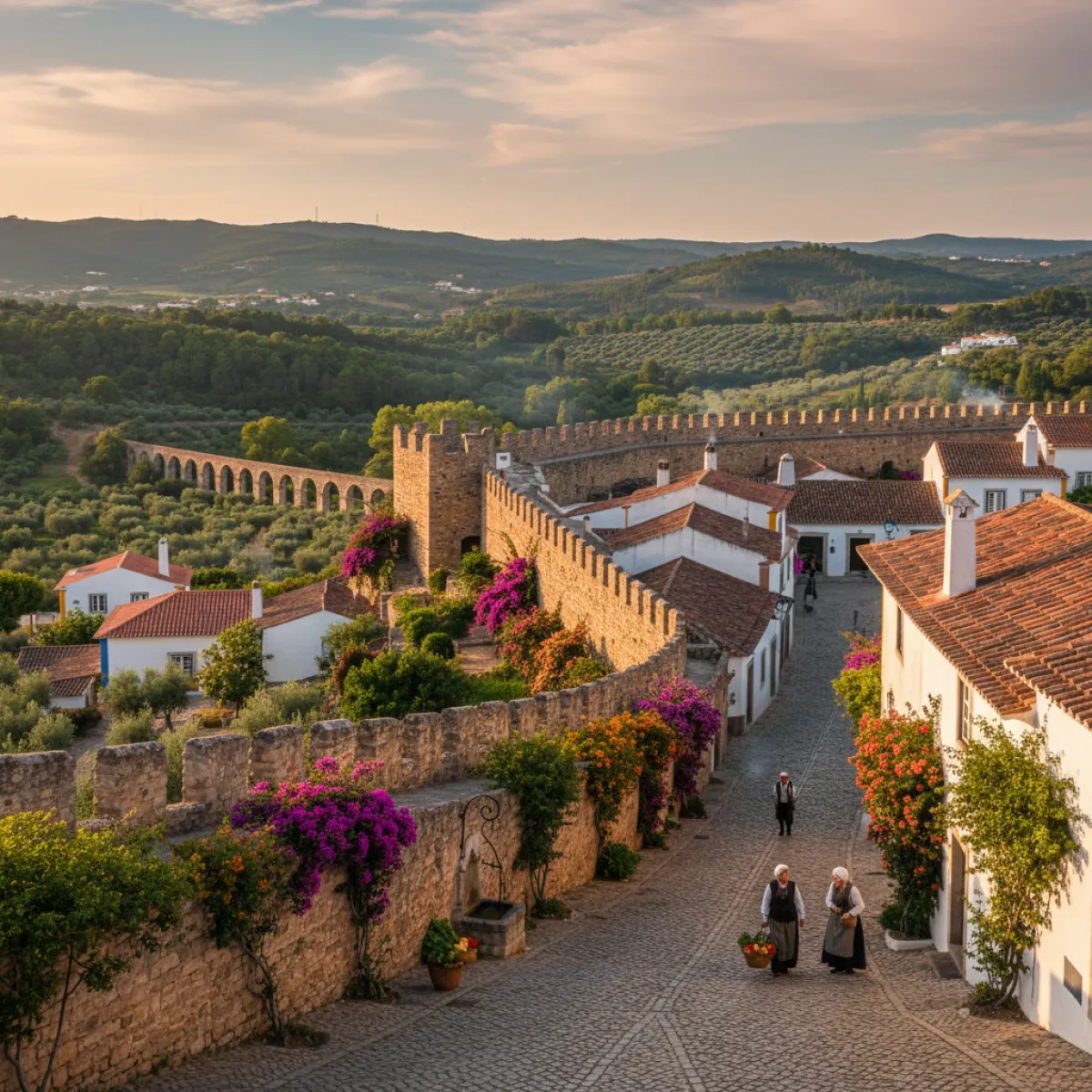
Óbidos does not reveal itself in a rush. For those arriving from Lisbon, the transition between utilitarian asphalt and limestone fortifications is an exercise in forced deceleration. For centuries, this town was the dowry of Portugal’s queens, a wedding gift from King Denis to Queen Isabel in 1282. This legacy of feminine ownership and care shaped the local aesthetic: the blue and yellow stripes framing the whitewashed houses are not mere ornaments; they are codes of an identity that resists excessive museumification. For a couple seeking sanctuary, the town offers a topography that invites physical proximity, the streets are narrow, the cobblestones uneven, and the wind blowing from the Atlantic, though tamed by distance, demands layered coats and interlaced arms.
Walking the walls at dawn is perhaps the most clarifying moment one can experience in the Oeste region. Without handrails or concessions to modern safety, the stroll requires focus. From the top, you observe the balance between the medieval urban grid and the orchards stretching toward the Lagoon. It is a setting that, while sharing a romantic aura with other national destinations, possesses a distinct sobriety. If you seek something similar but with a different botanical density, our Sintra Neighborhood Guide: Discover Every Corner of the Enchanted Town offers a complementary perspective on historic towns with unique microclimates.
Textures, Flavors, and the Bakery of Time
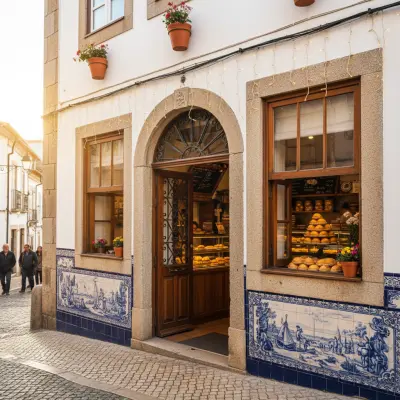
The palate of Óbidos is often reduced to Ginjinha in a chocolate cup, a tourist convention that, while pleasant, is merely the surface. To find the soul of the town, one must follow the scent of burning wood emanating from Capinha d'Óbidos. Here, the 'pão com chouriço' (chorizo bread) and traditional pastries are treated not as fast-moving goods but as artifacts of an elevated rustic diet. Sitting at the worn wooden counter while the oven works is an exercise in patience rewarded by the texture of warm bread, essential for sustaining an afternoon of exploration.
A few meters away, Casa Portuguesa do Pastel de Bacalhau offers a more baroque interpretation of street food. The codfish cake, stuffed with Serra da Estrela cheese, is a combination of textures that divides opinion but represents the attempt to fuse national icons into a single bite. It is a strategic stop before losing oneself in the bookstores that occupy churches and old markets. Óbidos, as a UNESCO Literary City, has transformed paper and ink into part of its architecture. To understand how this heritage manifests in contemporary art, we recommend the Óbidos Street Art: A Contemporary Journey Through the UNESCO Literary Village experience, which reveals a less obvious and more provocative side of the town’s walls.
Liquid Heritage: Beyond the Town Gates
While the interior of the walls is the epicenter of magnetism, the true luxury of the Oeste resides in its estates. A short drive away in Bombarral, Quinta do Sanguinhal provides the necessary counterpoint to the bustle of the historic center. Visiting these cellars is to enter a domain where time is measured in decades, not hours. The granite treading tanks and monumental wood-beam presses are testimonies to a winemaking engineering that refuses to be forgotten. Engaging in the Beyond the Castle Walls: A Heritage Wine Journey at Quinta do Sanguinhal experience is fundamental for anyone wishing to understand the structure of the region's wines, marked by oceanic freshness and the resilience of the terroir.
The ritual of tasting a reserve wine in the silence of the cellar, surrounded by oak barrels, is the pinnacle of any romantic getaway. It is not just about drinking; it is about sharing the narrative of a family that has maintained tradition for generations. For couples using the coast as a base, this is one of the Best Day Trips from Cascais: Unmissable Destinations we most highly recommend for its cultural depth and ease of access.
Nightfall at Bar Ibn Errik Rex
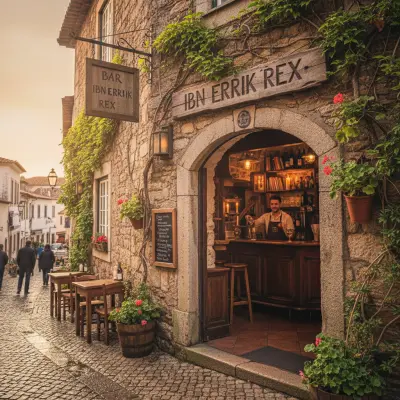
When the day-trippers return to their buses and the town reclaims its medieval silence, Bar Ibn Errik Rex becomes the inevitable destination. The walls, covered from top to bottom with antique bottles, coats of arms, and family portraits, create a cabinet-of-curiosities atmosphere that invites whispered conversations. Do not come looking for modern cocktails or generic background music; come for the house Ginjinha, served with or without fruit in a glass, and the platters of regional cheese and charcuterie. It is a space that demands attention to detail, from the wrought-iron lamps to the dry wit of those serving behind the bar.
Practical Guide for the Discerning Traveler
When to go
Avoid sunny weekends and festival seasons (Medieval Market or Christmas Village) if your goal is romance and tranquility. Tuesday or Wednesday mornings, especially in May or October, offer the best light and the fewest people. The morning mist, common in this region, lends the town a cinematic aura that vanishes around eleven in the morning.
Budget
A well-lived day in Óbidos for a couple, including lunch, wine tasting at Sanguinhal, and dinner in the center, ranges from 180 to 250 euros. Accommodation inside the walls is more expensive, but the experience of walking the empty streets at midnight is worth the investment. For those who prefer the comfort of larger cities, it is useful to explore Local Culture in Lisbon: Traditions, Neighborhoods and the City's Soul to understand the historical and logistical link between the capital and this royal town.
What to order
At Capinha d'Óbidos, ask for the chorizo bread fresh out of the oven. At Sanguinhal, focus on the whites made from the Vital grape for something truly local. At Ibn Errik Rex, pair your Ginjinha with the cured sheep's cheese.