Leiria: The Petiscos and Wine Itinerary for the Skeptical Traveler
Forget the highway pit stops; Leiria’s true character is found in tucked-away taverns and traditional clay pots. Discover the city's best pica-pau and why this is a mandatory stop for any serious wine lover.
The Square Ritual: Where Leiria Begins
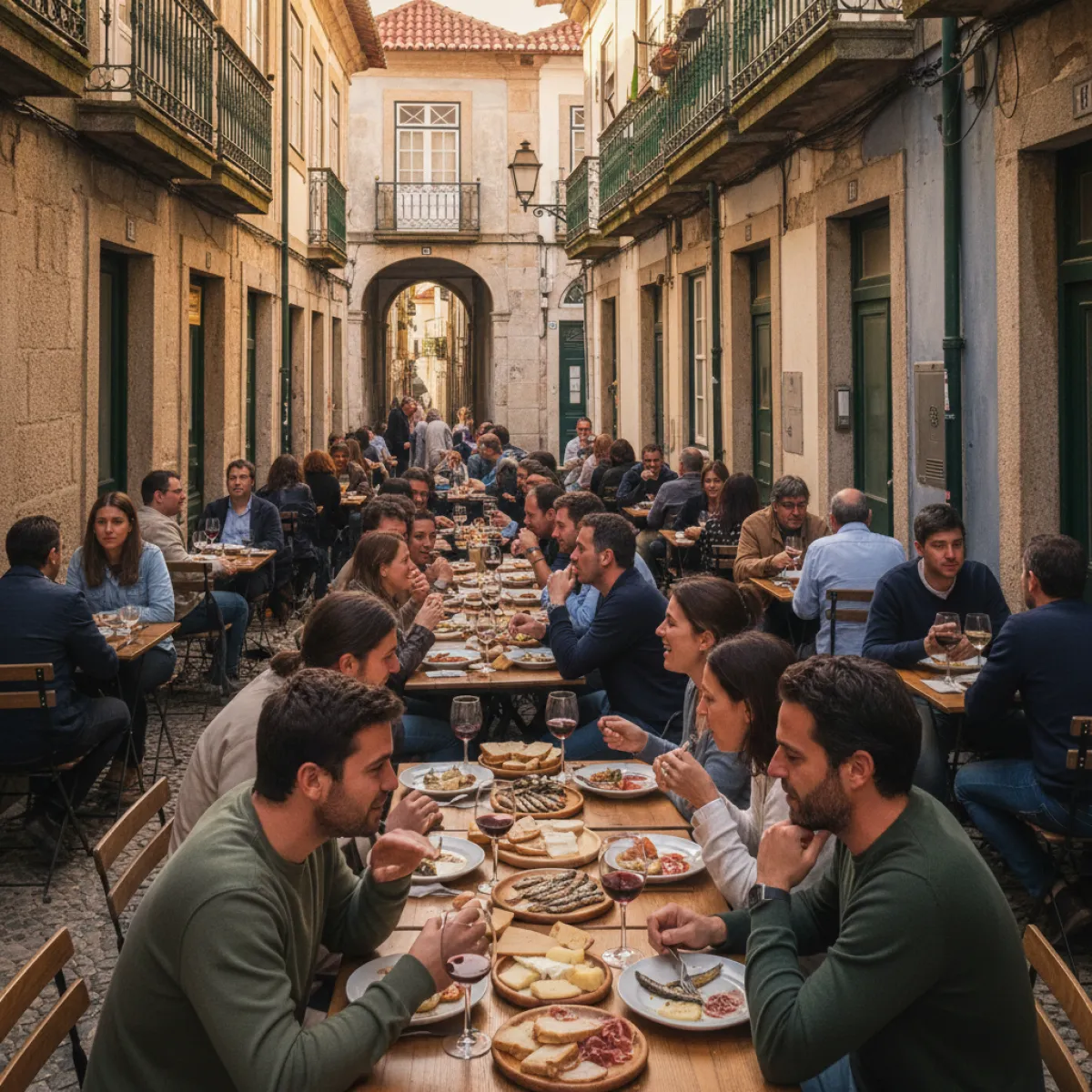
Forget the notion that Leiria is merely a convenient pit stop on the A1 highway between Lisbon and Porto. Those who make this mistake condemn themselves to a wilted service-station sandwich while, just a few miles away, the true heart of central Portugal beats to the rhythm of red wine glasses and platters of *morcela de arroz* (rice blood sausage). Leiria isn't a city that tries too hard to please tourists; it works for its own people, and that is precisely where its value lies. At dusk, when the castle's shadow stretches over Praça Rodrigues Lobo, the city sheds its administrative suit and puts on a tavern keeper's apron.
Praça Rodrigues Lobo is the city's living room, but don't expect the politeness of a museum. Here, terrace chairs scrape against the cobblestones, the sound of chatter competes with the Lis river's flow, and the scent of grilled chorizo begins to wind through the narrow streets leading toward the Cathedral. It is the mandatory starting point. To begin here is to accept that the night will be long and that the concept of "petiscos" in Portugal is not a snack, it's a philosophy of sharing that requires time and a resilient stomach.
The First Stop: Where the "Bug" is Killed
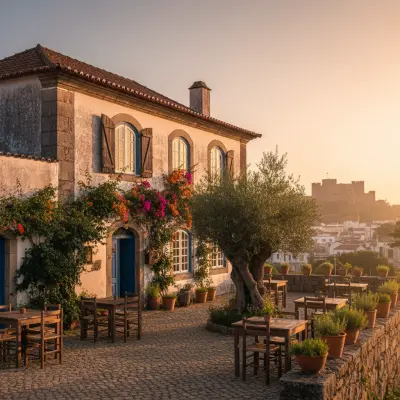
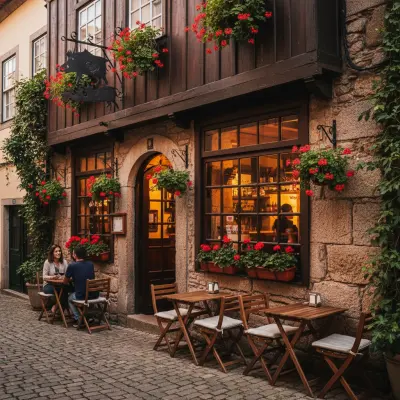
To kick things off, there is no bypassing Mata Bicho Real Taverna. The name isn't a euphemism; "matar o bicho" (to kill the bug) is the Portuguese expression for the first drink or meal of the day, usually intended to ward off lethargy. Located in the historic center, this tavern is the antidote to the minimalist, aseptic spaces invading modern capitals. Here, you'll find wood, bottles that tell stories, and, above all, a kitchen that isn't afraid of fat or straightforward flavor.
Order the *pica-pau*. In many places, *pica-pau* is a heap of tough meat swimming in vinegar; here, the beef is treated with respect, accompanied by pickles with just the right acidity to cut through the richness of the sauce. If you're feeling brave, the *moelas* (gizzards) are mandatory. The sauce should be mopped up with local bread, shamelessly. The wine list focuses heavily on the best regional offerings, particularly the whites from Encostas de Aire, which bring a minerality that holds its own against the intensity of the petiscos. It’s a place to watch the locals, lawyers fresh from the courthouse and students debating the future while devouring a board of regional cheeses.
The Institution: The Weight of Tradition at Casinha Velha
After warming up your palate at the tavern, it's time to elevate the gastronomic stakes. If Leiria had a Vatican of regional food, it would be Casinha Velha. Located slightly outside the historic center, it requires a short trip, but the reward is a deep dive into what makes central Portuguese cuisine so distinct. It’s not a place for fads or foams; it’s a place of product.
The service is of almost military competence but delivered with that human warmth found only in family-run houses with decades of history. The *bacalhau* is, predictably, excellent, but I would suggest looking at the duck rice (*arroz de pato*) or the game dishes, if they are in season. The secret here is consistency. While many restaurants lose their way trying to reinvent the wheel, Casinha Velha stays true to what it knows: food that comforts and justifies every euro on the final bill. It’s the ideal place to understand why this gastronomic hub is essential for any Portugal Itinerary: A Week in the Heart of the Country. This is where geography is translated onto the plate, the nearby sea provides the fish, the mountains provide the meat, and the orchards of the West provide the fruit.
The Contemporary Alternative: Restaurante Culinaris
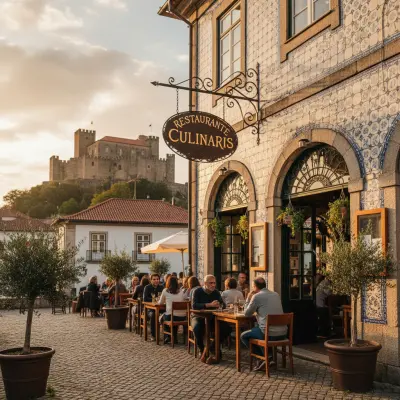
If your sensibility leans more toward technical precision and a presentation that hasn't ignored the 21st century, Restaurante Culinaris offers a different narrative. Here, the focus is on technique. The space feels more cosmopolitan but doesn't disown the ingredients of the land. It’s the right choice for those seeking a calmer dinner, with a wine list designed for more complex pairings. The atmosphere is sober, allowing the food to be the absolute protagonist. It’s the kind of place where you go to discuss what’s on the plate, not just to satisfy hunger.
The Context of the Land: Clay and Pine
You cannot understand what you eat in Leiria without understanding the land surrounding it. The Pine Forest of Leiria, planted by King Dinis, didn't just provide wood for the caravels; it gave the region an identity of resilience and resourcefulness. A few minutes from the city, in Bajouca, this connection to the earth is physical. The Art of Clay: A Traditional Pottery Workshop in Bajouca, Leiria is not just for those who want to get their hands dirty; it’s for understanding that the pots your dinner was cooked in have a lineage stretching back centuries. Eating from a Bajouca clay plate changes your perception of flavor, there is an honest rusticity that plastic or fine porcelain can never replicate.
Practical Tips for Surviving a Night in Leiria
First rule: parking in the center is a labyrinth designed by someone who hates cars. Leave your vehicle in one of the peripheral lots near the river and walk. Leiria is a human-scale city, and the walk between the Square and the Castle helps build an appetite (or digest that blood sausage).
Second rule: timing. In Leiria, people dine early compared to Lisbon. If you show up at 9:30 PM without a reservation at a popular spot, prepare to watch people eat while your stomach protests. Ideally, start your petiscos around 7:30 PM and have a table booked for 8:30 PM.
As for costs, Leiria offers a value-for-money ratio that Lisbon long ago forgot. A full dinner at a top-tier spot like Casinha Velha will run you about 35-50 euros per person with good wine, while a petiscos crawl at Mata Bicho can be done for 20 euros if you know how to share.
Conclusion: The Northward Flowing Lis
Legend has it that the Lis is the only river that flows North. Whether that's true or just geographical stubbornness doesn't really matter. What matters is that Leiria maintains that independence of spirit. After dinner, do yourself a favor and walk along the riverbanks. This is the moment when the city goes quiet, the streetlamps reflect in the water, and the castle, high above, watches everything with the indifference of someone who has seen many kings pass by and even more petiscos lovers. Leiria doesn't reveal itself to those in a hurry. It reveals itself to those who know how to sit down, order a carafe of wine, and wait for the night to decide what happens next.