Leiria: The Clay of Bajouca and the Art of Eating Well
Forget the fridge magnets. In Leiria, true luxury is found in the red clay of Bajouca and the limestone silence of Arrabal. Discover where to eat the region's best codfish and how to bring home an authentic piece of central Portugal.
The Leiria Paradox: Why You Should Actually Stop Here
Most travelers see Leiria as a blur: the imposing silhouette of a castle guarding the A1 motorway, a waypoint between the urgency of Lisbon and the academic weight of Coimbra. It’s a classic mistake. Leiria is not a city to be seen through a car window at 75 mph. It’s a city that demands you park near the Municipal Stadium or by the Lis River and walk. If you’re looking for a Portugal that hasn’t been shrink-wrapped for mass tourism, this is your place. Here, craftsmanship isn’t a performance staged for souvenir shops; it’s a matter of cultural survival and clay-stained hands.
What makes a good souvenir? Forget the resin castle miniatures. A real object of memory must have weight, texture, and a story that doesn't start in a factory in Shenzhen. In Leiria, that story is written in red clay and at tables where time seems to follow a different cadence. If you are following a Portugal Itinerary: A Week in the Heart of the Country, set aside at least two days for this area. You won’t regret it, especially if your travel criteria include eating better than you do at home.
Bajouca: Where the Earth Transforms
About 20 minutes from the city center lies Bajouca. Don’t expect a picturesque postcard village; Bajouca is a land of labor. Here, the smell of pine smoke and damp earth isn't poetry; it’s the sign that the kilns are firing. This is the spiritual capital of pottery in central Portugal. The clay here is vibrant, honest, and utilitarian. The iconic piece is the "bilha de segredo" (secret pitcher), a jug with an internal system of channels that defies gravity and the patience of anyone trying to drink from it without knowing the trick.
If you really want to understand what you’re buying, don’t just walk into a shop. Sign up for The Art of Clay: A Traditional Pottery Workshop in Bajouca, Leiria. Watching a master potter transform a formless ball of clay into a symmetrical piece in seconds is humbling for anyone who spends their day tapping at computer keys. Getting your hands dirty on the wheel, feeling the resistance of the earth and the temperature of the water, is the best way to value the 10 or 20 euros you’ll pay for a bowl or a pitcher. It’s a tactile luxury that no mall can replicate.
Gastronomy as Craft
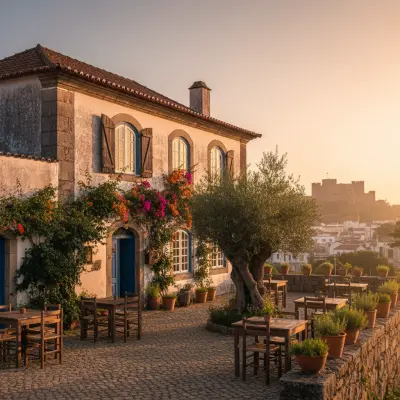
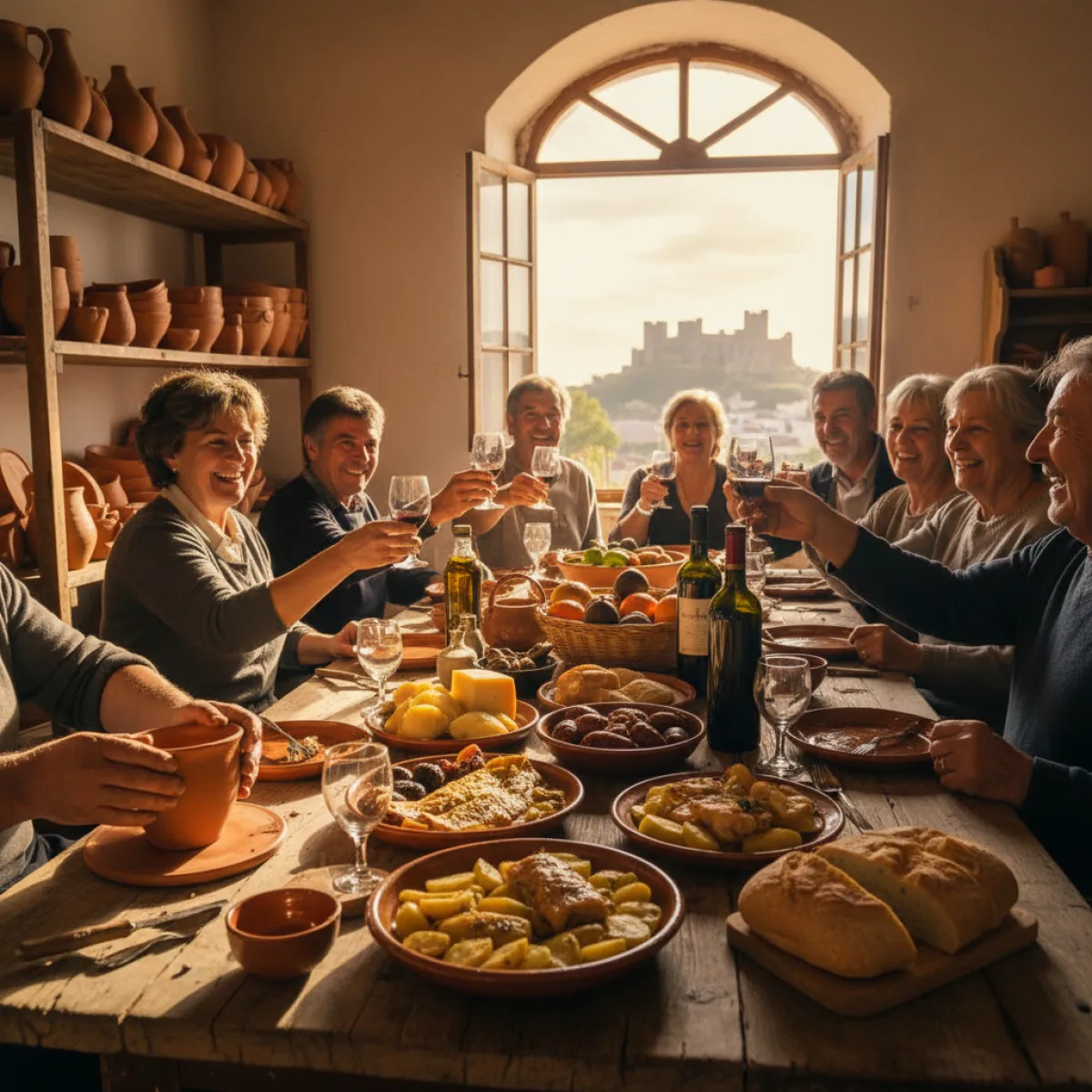
In Leiria, the kitchen is treated with the same rigor as pottery. It’s not just about feeding people; it’s about building flavors with technique and respect for the ingredients. For a total immersion in tradition, your destination is Casinha Velha. Forget modern diets. Here, the Codfish with Migas is an institution. The restaurant, set in a beautifully restored old house, maintains that family dining room atmosphere where the service is attentive without the annoying pretension of the capital’s "fine dining" spots. It’s the place to take someone you want to impress with the truth of the dish. Order the roast kid goat if it’s Sunday, but book ahead. The average price is around 35€ to 45€ per person, and it’s worth every cent for the quality of the olive oil and the freshness of the herbs.
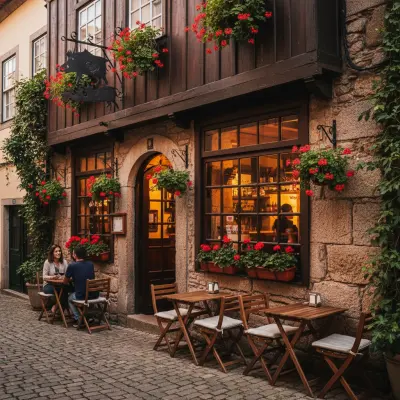
If your mood is more urban and relaxed, Praça Rodrigues Lobo is the nerve center. That’s where you’ll find Mata Bicho Real Taverna. It’s the perfect spot for a Friday evening when the square fills with locals and the castle begins to glow. The petiscos (small plates) here are meant for sharing. Don’t try to be civilized; order several things, the eggs with farinheira sausage, the clams, whatever the daily special is, and pair it with a wine from the Lisbon region or the Encostas d'Aire. It’s instinctive cooking, straight to the point, in a modern tavern setting that doesn’t try to be something it isn’t.
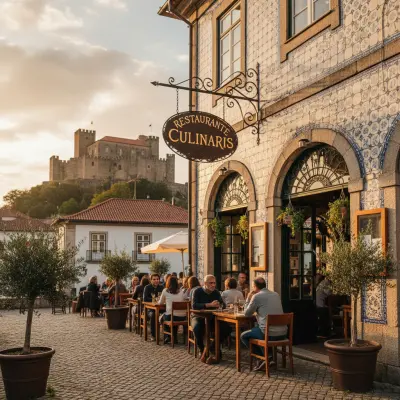
For those seeking a more technical, almost surgical approach, Restaurante Culinaris offers a different perspective. Here, tradition is the starting point, not the final destination. It’s an exercise in controlled creativity, where local flavors are presented with contemporary aesthetics. It’s the ideal spot for the traveler who has already eaten ten codfish dishes in the last week and needs something to challenge the palate. The service is polished, and the wine list is one of the most interesting in the city, focusing on small producers that rarely make it to supermarket shelves.
Arrabal: The Luxury of Silence
After the noise of the city and the heat of the Bajouca kilns, you need to climb. Arrabal, tucked into the limestone slopes of the Serra d'Aire, offers a radically different backdrop. Here, stone replaces clay. It’s tough terrain, filled with ancient olive trees and dry-stone walls bordering small properties. In this setting, you’ll find the Private Villa Escape in Arrabal: A Luxury Rural Experience at Villa Nour.
This is the kind of place that redefines what a travel souvenir means. Sometimes, the best thing we bring back doesn't fit in a suitcase; it’s the memory of a silent night where the only sound is the wind in the pines. Villa Nour combines modern design with the brutality of the rural landscape. It’s the perfect contrast: absolute comfort in the midst of a nature that doesn't forgive laziness. If your budget allows, this is the place to disconnect from the world and process everything you’ve seen. It’s a retreat for those who value privacy above all else, far from the buzz of city hotels.
Practical Guide: How Not to Be a Generic Tourist
- Where to Shop: Beyond Bajouca, explore the small shops on Rua Direita (which, ironically, is anything but straight). Look for artisan ceramics and avoid anything that looks too shiny or uniform.
- When to Go: The Leiria market, on Tuesdays and Saturdays, is where the city reveals itself. It’s where people from the surrounding villages come to sell what they grow. It’s loud, real, and indispensable.
- Transport: Leiria’s historic center is best explored on foot. Park your car in one of the peripheral lots (the Fonte Luminosa park is a good option) and forget about it. To get to Bajouca or Arrabal, a car is mandatory, as public transport to rural areas is, to be kind, erratic.
- The Ideal Souvenir: A clay bowl from Bajouca, a bag of almonds from Arrabal, and a bottle of local sour cherry liqueur (ginja). With these, you’ll have a real slice of the region in your pantry.
Leiria doesn't need complicated tourism slogans. The city and its surroundings offer an honesty that is increasingly rare. Between the clay of Bajouca and the sophistication of the Leiriense table, there is a balance that satisfies both the pragmatic traveler and the aesthete. Don’t just pass through; stay, eat, get your hands dirty, and buy something that lasts longer than the photos on your phone.