Echoes of the Arade: Portimão’s Melodic Soul and the Spirit of Fado
Discover the deep soul of Portimão through its working-class fado, maritime traditions, and the signature gastronomy that defines the Barlavento. A guide for those seeking the Algarve's authentic melody.
The Cadence of a City Forged by River and Sea
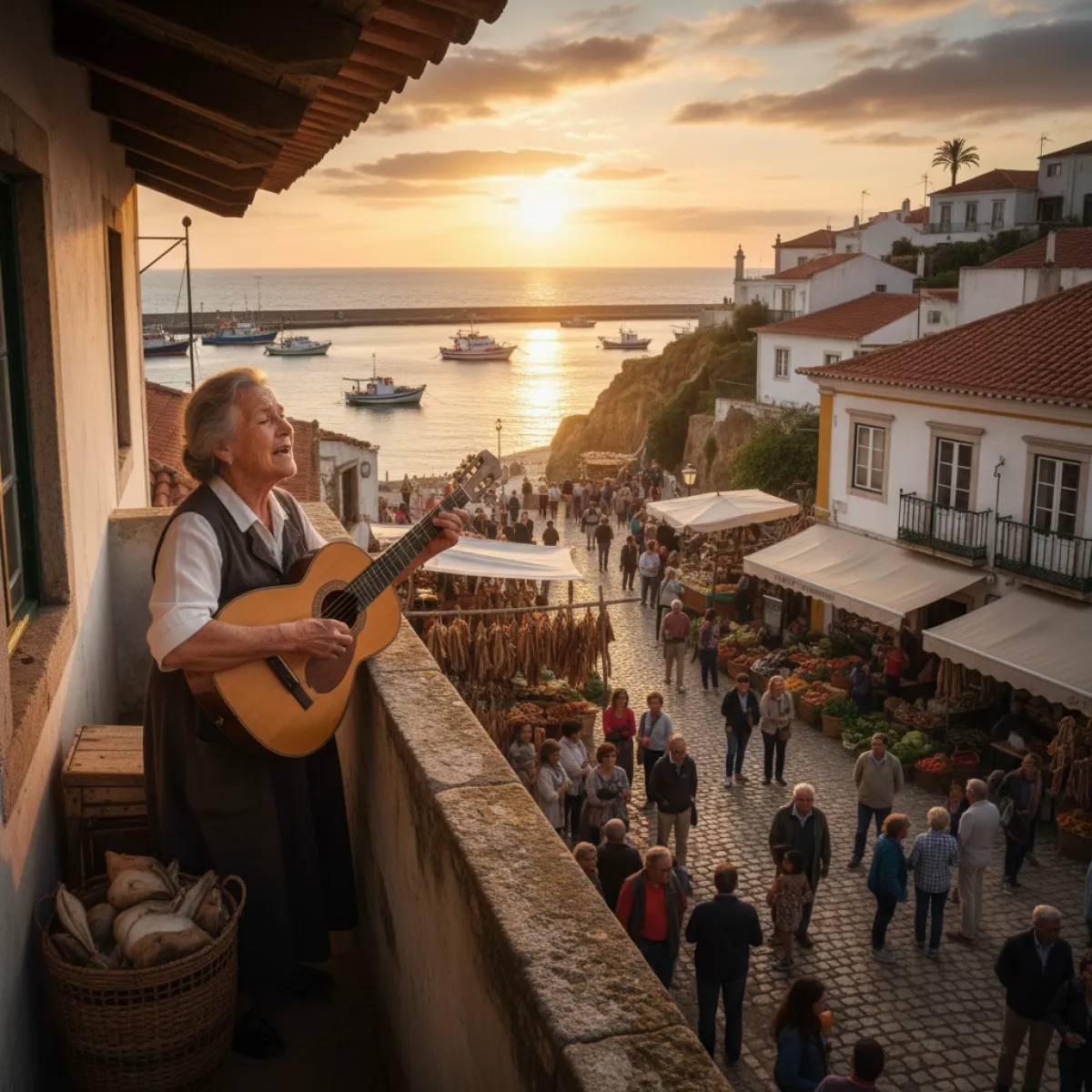
Portimão has never been a city of silences. Unlike the whitewashed villages of the barrocal, where time seems suspended in a static heat, this capital of the Barlavento pulses with an industrial and maritime sonority that has shaped its DNA. It is the cry of gulls trailing fishing trawlers, the rhythmic pounding of hammers in the shipyards, and, above all, the resonant melancholy of the Portuguese guitar echoing through the narrow alleys that climb from the Arade River. To understand Portimão’s soul, one must listen to its music, a singular blend of informal fado, philharmonic traditions, and a modernity that refuses to be merely decorative.
While Lisbon flaunts its fado with the pomp of a capital, in Portimão, the song is more telluric, closer to the skin and the salt. Here, the national song found refuge in old fishermen's taverns and, more recently, in spaces that elevate the gastronomic experience to a level of sophistication without losing its emotional roots. This is not a spectacle for tourists; it is a necessity of expression for a people who lived for centuries between the abundance of the sea and the harshness of the canning factories.
Palate and Melody: Restaurante F and NUMA
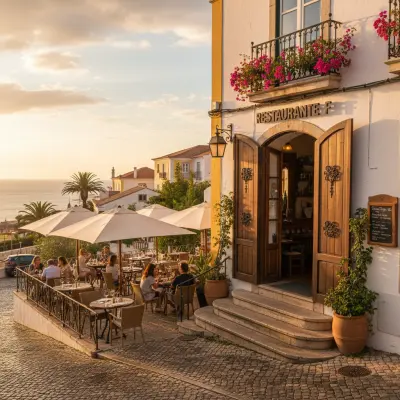
The musical experience in Portimão is intrinsically linked to the table. One does not listen to fado on an empty stomach, nor can one appreciate the mastery of a guitarist without the comfort of a solid Algarve wine. In the riverside area, where the Arade meets the ocean, Restaurante F stands as a bastion of this convergence. Here, Mediterranean-inspired signature cuisine serves as a prelude to nights where the elegance of the space amplifies the acoustics of the voices. Ordering the razor clam rice or the roasted octopus is to enter the region's rhythm, preparing the spirit for the emotional surrender that fado demands. Expect to budget between 50 to 70 euros per person, a price justified by the curation of ingredients and the privileged location overlooking the marina.
Heading toward the historic center, the scene shifts to something more intimate and cerebral at NUMA. This is not just a restaurant; it is a manifesto for contemporary Portimão. Where others settle for the obvious, NUMA takes risks with a gastronomy that dialogues with tradition but speaks a global language. It is the ideal place to observe how the city has reinvented itself. The music here is ambient but curated with the same rigor as the tasting menu. It is the meeting point for a new generation of Algarvians who value discretion and technical excellence. Advance booking is highly recommended, especially if you intend to explore the wine list, which is one of the most interesting in the city.
Tradition and Context: The Culture of the Barlavento
For those seeking to understand the historical depth of this musicality, it is essential to look beyond the city limits. The local culture of the Algarve is a complex mosaic of Moorish, rural, and maritime influences. While the Local Culture in Faro: Traditions and Experiences of the Authentic Algarve guide offers a more administrative and religious view of the region, Portimão maintains a more working-class and rebellious identity. This rebellion is reflected in the local fado, often improvised and laden with social satire, a heritage from the heyday of the sardine-canning industry.
Portimão’s geography also invites a sensory exploration that goes beyond hearing. One of the most authentic ways to feel the rhythm of the coast is through the Cycling the Portimão Coast by E-Bike: From Alvor Lagoon to Santa Catarina Fortress experience. The route allows you to hear the sound of waves crashing against limestone cliffs and the wind whistling through the Alvor dunes, sounds that have inspired generations of local poets. It is a necessary contrast to the emotional weight of fado houses, a breath of fresh air that connects the city to its untamed nature.
The Rhythm of the Streets and the Tastes of the Land
Walking through central Portimão in the late afternoon is like attending an informal rehearsal. In the headquarters of the philharmonic bands, you hear the brass warming up; in the squares, young people experiment with new beats. This vitality is what separates Portimão from purely seasonal destinations. To dive into this authenticity, the Tastes of Portimão: A Culinary Journey Through the Heart of the Algarve is mandatory. It leads the visitor through the markets and taverns where musicians gather after their performances, revealing the less sanitized and more vibrant side of the city.
Fado in Portimão is not just a song of longing for the past; it is a soundtrack for the present. Whether at the Santa Catarina Fortress, where the echo of guitars blends with the surf of Praia da Rocha, or in the shaded alleys of the Pontinha neighborhood, music is the common thread that unites the worker with the entrepreneur, the local with the traveler. It is a city that demands attention, one that does not surrender at first glance but rewards those who know how to listen. For a broader perspective on the neighboring coastal vibe, consult the Lagos Neighborhood Guide: Discover Every Corner of This Algarve Gem, which highlights the subtle differences in character between these western Algarve hubs.
Practical Information for the Melodic Traveler
- When to go: Autumn and spring are the ideal seasons. The August heat can be oppressive for walking in the historic center, and it is in the low season that the fado houses reclaim their local audience and their most genuine soul.
- What to order: Beyond the fish classics, look for the fine almond and fig sweets, which in Portimão reach heights of artisanal perfection.
- Fado Etiquette: Silence is sacred. In Portimão, the tradition of "silêncio que se vai cantar o fado" (silence, for fado is about to be sung) is taken very seriously, even in the most modern venues.
Portimão remains one of the last bastions of an Algarve that takes pride in its grit. Music here is the social lubricant that allows this port city to navigate between its industrial heritage and its cosmopolitan future. When you visit, close your eyes for a moment by the river and let the sound of the guitar guide you: that is where the true soul of Portugal resides.