Bragança in June: The Sweet Spot Before Summer Heat
June in Bragança is the narrow window between late cold and the extreme summer heat of Trás-os-Montes. Three hours on the walls without sweating, posta mirandesa cut three centimeters thick, and nights when the students are still in town. The honest guide to the city's best month.
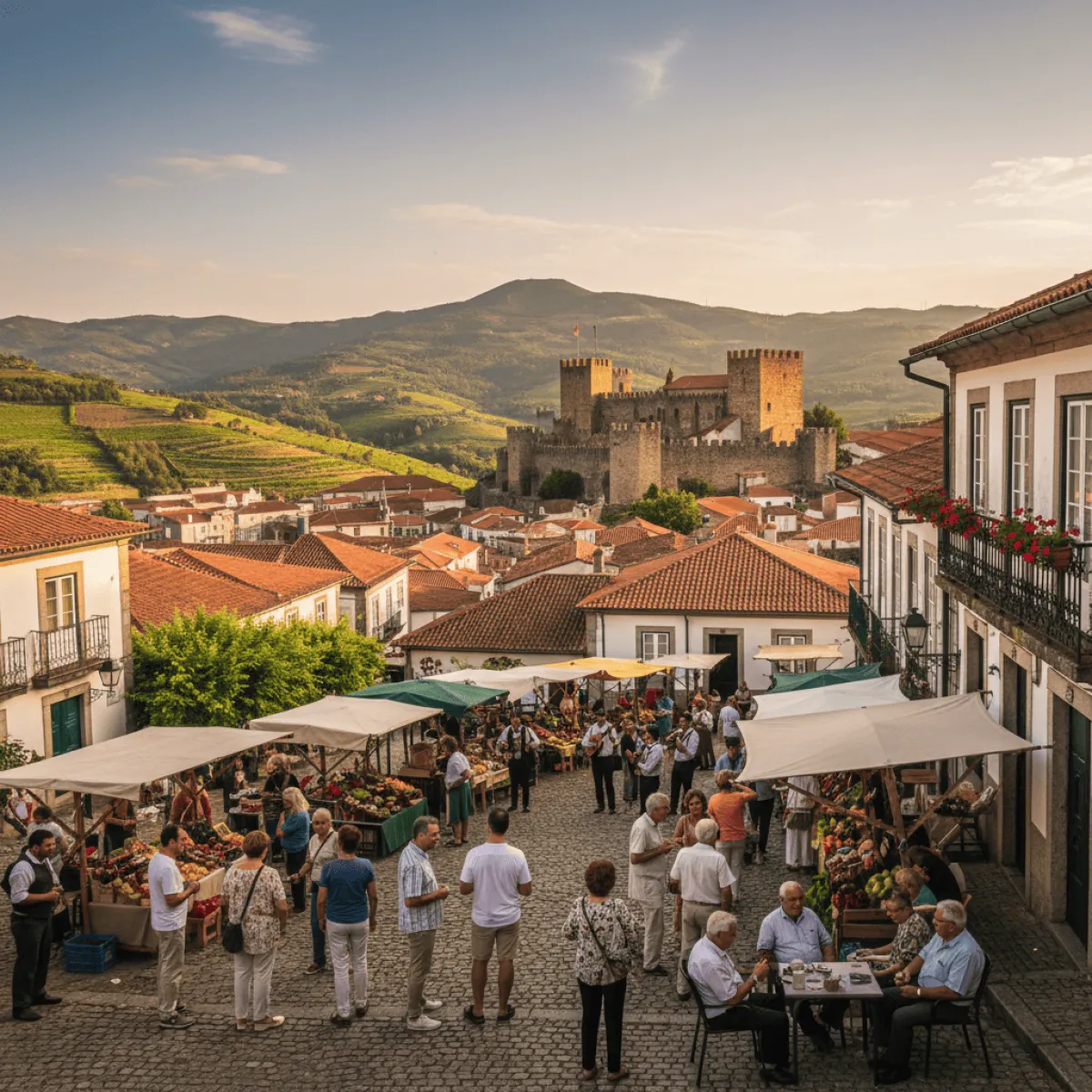
There's a narrow window in Bragança, from the last week of May to the first days of July, when the city simply works. Mornings still carry that crisp 12 or 13 degrees that demands a light jacket, afternoons stretch to 26 without punishing you, and the August tourists, the ones who fill Praça da Sé wearing identical caps, haven't even bought their tickets yet. June in Bragança is, without dressing it up, the month when the city is most at peace with itself. By July, it starts sweating. By August, it melts. But right now, in June, it's perfect.
I'm writing this after four visits across different Junes, and the conclusion is always the same: arrive early, stay one day longer than you planned, and don't try to do everything. Bragança is not a miniature Lisbon. It's something else. It's a border city where dogs still sleep in the sun in the middle of secondary roads, where the butcher knows your name by the second visit, and where the surrounding landscape, especially the Montesinho Natural Park, still hides real wolves, not the postcard kind.
Why June and not another month
Fair question: why insist on June when May is also pretty and September brings chestnuts? The practical answer: May in Trás-os-Montes still gets late thunderstorms that ruin mid-morning hikes, and September, though delicious, brings more visitors because it overlaps with end-of-holiday returns and food festivals. June is the dead zone. Cherries are arriving at the market, lambs are no longer babies but still tender, and the fields around Macedo de Cavaleiros and Vinhais sit in a green that only lasts three weeks a year.
The extreme heat of the Trás-os-Montes summer is real, not weather folklore. In July and August, the Citadel turns into a granite frying pan from 11am onward. In June, you can walk the walls for three hours without soaking your shirt. That difference, translated into useful sightseeing hours, is what justifies the title of this guide.
Where to sleep: inside the Citadel or below
Direct opinion: if this is your first time in Bragança, sleep inside the Citadel. There are guesthouses and small rural hotels up there charging 70 to 110 euros a night for a double in June, well below the inflated August rates. The argument is simple: at 10pm, when the tour buses leave and the day visitors descend to the lower town, the Citadel empties. Walking the cobbled streets with the castle lit and nobody around is worth the premium.
If you prefer the lower town, stay near Avenida João da Cruz. It's not the prettiest neighborhood, but it's the most practical: bakeries open at 7am, you can find pharmacies and stationery shops, and taxis pass by. Avoid the hotels glued to the IP4 highway. They look convenient on the map, but you'll be 15 minutes on foot from the center and on the wrong side of a busy road.
The essential: the Citadel at dawn
Do this: set your alarm for 6:30am, grab two pastéis de feijão and a coffee from one of the bakeries that open early near the Sé, and climb up to the Citadel while the light is still horizontal. Between 7am and 8:30am you won't see more than three or four people, all locals walking their dogs. The Domus Municipalis, the pentagonal Romanesque building from the 12th century that's the real reason Bragança appears in architecture textbooks, opens later, but seeing it from outside in this light is the best moment.
The castle itself costs around 2 euros and opens around 9am. It's worth it, especially the keep with its narrow staircase. But if you're short on time, just walk the perimeter. The outer walls, free of charge, give you 80% of the experience.
What to eat for lunch
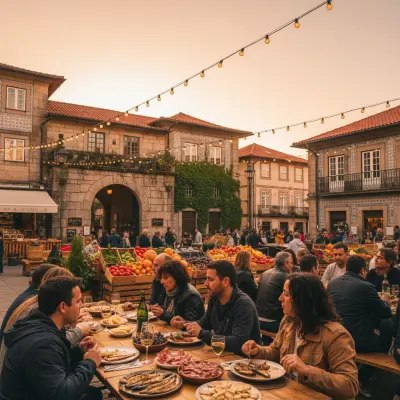
Posta mirandesa. There's no way around it. Bragança isn't Miranda do Douro, but the meat from the Mirandesa cattle breed, which carries Protected Designation of Origin status, is served in nearly every serious restaurant in the region. Look for a place where the posta is cut thick (three centimeters minimum), grilled over oak coals, and served with nothing but coarse salt and olive oil. If it comes with a sauce, with elaborate potatoes, or with any chef-y flourish, you're in the wrong place. Real posta is brutally simple: 200 to 300 grams of beef, salt, fire, end of story. In June, ask for grelos on the side, the leafy greens that disappear once the heat kills them.
Reasonable price for serious posta: 22 to 30 euros. If you see it under 18, be suspicious. If you see it above 35, also be suspicious.
Slow afternoon: the viewpoint and the nap
After a posta, no one does anything productive for two hours. Do as the locals do: nap, or take a purposeless walk through Jardim António José de Almeida. In June, the roses are at their peak and the benches in the shade of the plane trees are still available. It's not Instagram, but it's Bragança.
For a more active afternoon, drive 25 minutes to the Senhora da Serra viewpoint, heading toward Vinhais. The view over the valley and the Montesinho range in late afternoon, with that side-light only June produces, is one of those landscapes that justifies renting a car. Speaking of cars: rent one. Bragança without a car is half the experience. The district has villages, valleys and back roads that public transport simply doesn't reach.
Night: where to go out in Bragança
This is where Bragança surprises anyone arriving expecting a sleeping city. There's a small but real nightlife scene, sustained by the university population from the Polytechnic Institute. In June, just before the official academic holidays begin, the students are still around.
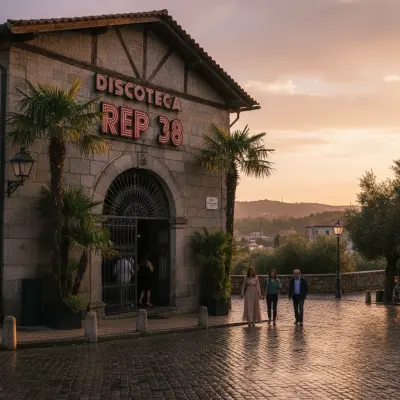
The Mercado Club is the reference for weekend nights, with more commercial music and a crowd mixing students, young professionals and visitors. For an alternative with a slightly different profile, the second Mercado Club venue offers its own atmosphere worth discovering. If you want variety, Moda Café is a good choice for the middle stretch of the night, with a more relaxed vibe before you decide whether to stay or move on. And for those who take the night seriously until dawn, Discoteca Rep 38 is where nights end, often with sunrise already visible.
Day 2: leaving the city
If you're staying two or three nights, and you should, the second day has to be spent outside. Bragança city resolves itself in four or five well-spent hours. The rest of your time, the part that makes the trip worth it, is the surrounding region.
Option A: Montesinho Natural Park
Thirty minutes from Bragança by car, the park holds nearly abandoned villages, trails that cross streams cold even in June, and a silence that's hard to describe without falling into clichés. Go to Rio de Onor, the communal village split between Portugal and Spain. Lunch at one of the local taverns, conversation with people who speak an old Portuguese, and a short walk along the river trail. For those who want to take the experience deeper, there are programs like this yoga retreat in the heart of Montesinho, which pairs physical practice with the plateau landscape and works surprisingly well in June, before the heat smothers the mornings.
Option B: Sabor Lakes and water adventure
For a more active profile, the lakes formed by the Sabor dam are the aquatic secret of Trás-os-Montes. Deep, dark water, no crowds. In June the water still sits around 18 degrees, which can be delightful or unpleasant depending on your tolerance. The best way to experience it is on a kayak expedition through the Sabor lakes, which gives you real perspective on the scale of these submerged valleys. Bring sunscreen even in June. The reflections off the water burn.
Option C: extending into the plateau
If you have three or four days, it's worth bridging into the rest of Trás-os-Montes. Mogadouro is an hour and a half away, and in June the viewpoints over the Douro Internacional are unmissable at the end of the day, as described in this guide to June viewpoints in Mogadouro. Further west, Montalegre is a completely different story, high, cold even in June, with a strong Barroso identity. For those who want to dig deeper, there's this guide that goes beyond the obvious in Montalegre, and also a winter photography itinerary across the plateau that, even in June, suggests useful angles for the region.
Eating in Bragança: what to order, what to avoid
Beyond the posta, three dishes you have to try in June:
- Folar transmontano: bread stuffed with smoked meats, normally sold by the bakeries. In June you can still find the post-Easter version in some places. Hunt for it.
- Butelo com cascas: a meat sausage served with dried winter cabbage. Yes, even in June some traditional restaurants still serve it. It's heavy, it's incredible, ask for a half portion.
- Alheira de Mirandela: the real one, from the region, not the supermarket version. Fried or grilled, with a fried egg on top and potato slices on the side. Breakfast of champions.
Avoid: any menu in four languages, any place with photos of dishes on the front door, any restaurant offering paella. Yes, this happens. No, you must not give in.
Municipal Market in the morning
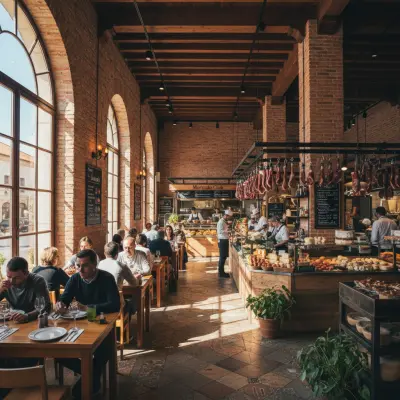
On Saturday mornings, the Municipal Market is the best place to understand the region. Aged goat cheese, chestnut honey, dried mushrooms, ham cured at high altitude. Prices are honest, the producers are there in person, and in June you'll find cherries from Fundão and strawberries grown locally. Go between 9am and 11am. Later, it empties.
Practical logistics
Getting here: from Porto, it's 2h30 by car on the A4. From Lisbon, count 4h30 via the A1 and A4, or fly to Porto and rent there. There are no regular commercial flights to Bragança. Rede Expressos coaches reach the city but they steal half your day.
How much it costs: a three-night stay in June, with a decent hotel, three serious dinners and a rental car, lands between 450 and 650 euros for two people. Above that range, you're being luxurious. Below, you're cutting corners.
What not to do: don't come in June expecting the beach. The closest coast is three hours away. Bragança is mountain, river and plateau. If you want sand, go somewhere else.
The final argument
Bragança won't change your life. It's not one of those cities appearing in international trend lists, and that's precisely its advantage. It's a small city, conservative in the best sense, with a food scene that justifies the trip on its own, surrounded by an interior that still holds genuine secrets. In June, before the heat falls like a blanket over the plateau, it's at its best.
Go now. In July you'll already be complaining about the sun, and in August you'll wish you had listened to this advice.