Beyond the Gilded Walls: A 24-Hour Blueprint for Óbidos
Discover why 24 hours in Óbidos is a masterclass in slow travel, from wood-fired bakeries and church-bound libraries to the heritage wine cellars of Sanguinhal.
Morning: The Geometry of Limestone
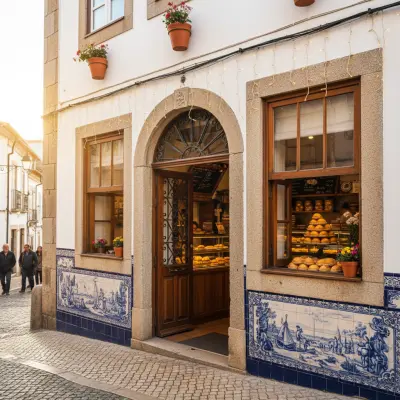
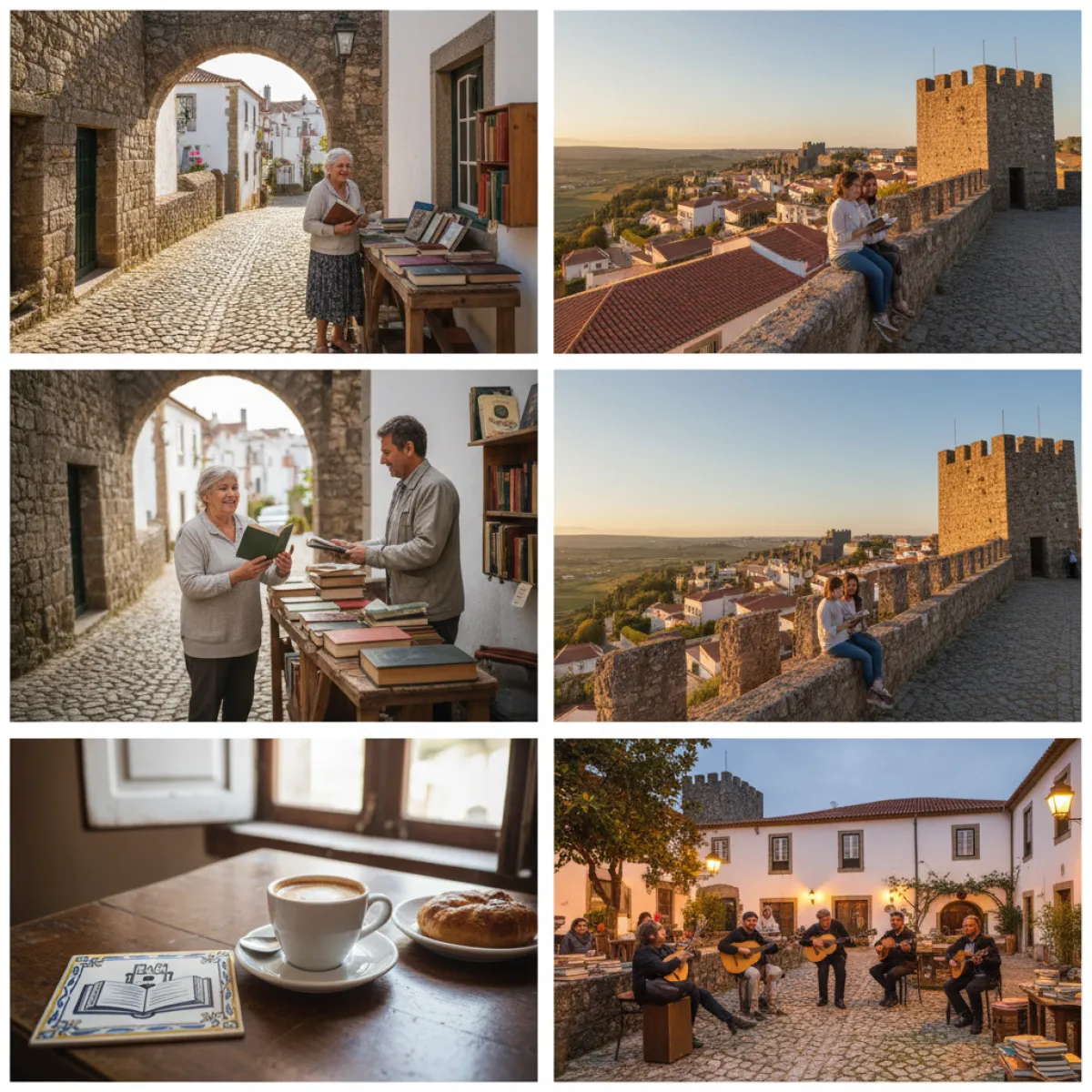
To experience Óbidos correctly is to acknowledge that it is a town of two faces. During the midday peak, it can feel like a labyrinth of day-trippers; but in the early morning, as the Atlantic mist rolls in from the nearby lagoon, it is one of Europe’s most evocative fortified settlements. Your first tactical move should be breakfast at Capinha d'Óbidos. This is not a place for delicate patisserie; it is a celebration of the wood-fired oven. The sourdough bread, often stuffed with chorizo or simply served with local butter, provides the necessary ballast for a walk along the perimeter walls. There are no handrails here, just a raw, medieval drop that demands your full attention while offering a 360-degree survey of the Estremadura landscape.
Descending from the walls, focus your attention on the town’s status as a UNESCO City of Literature. This isn't a mere marketing label. In Óbidos, books have reclaimed spaces that would otherwise have fallen into ruin. The Church of Saint James (Livraria de Santiago) is the flagship of this movement. Browsing through contemporary literature where pews once stood is a surreal experience that sets the tone for the day. It’s an intellectual weight that balances the town’s undeniable visual charm.
Afternoon: Beyond the Medieval Facade
While the white-washed houses and bougainvillea are the obvious draws, there is a grit and a creative pulse that many miss. To find it, one must look at the murals scattered through the lower village and near the literary spots. The experience Óbidos Street Art: A Contemporary Journey Through the UNESCO Literary Village tracks the work of artists like Violant, whose large-scale surrealist pieces provide a sharp, modern contrast to the 12th-century stone. It’s an essential pivot for anyone who finds the 'Disney-fied' versions of European towns tiresome.
For lunch, the Casa Portuguesa do Pastel de Bacalhau serves a codfish cake filled with melting Serra da Estrela cheese. It is a rich, unashamedly indulgent snack that has become a modern ritual. However, the true connoisseur will look toward the vineyards. The region’s viticultural history is best understood at Quinta do Sanguinhal. Their heritage journey, Beyond the Castle Walls: A Heritage Wine Journey at Quinta do Sanguinhal, takes you into the heart of one of Portugal’s oldest family-run estates. Here, the focus is on the light, crisp whites and structured reds that have defined the Lisboa wine region for generations. Standing amidst the giant 19th-century wooden presses, one understands that Óbidos has always been a hub of production, not just a royal retreat.
Comparison and Context
Travelers often weigh Óbidos against other regional highlights. If you are coming from the coast, you might have seen it listed in the Best Day Trips from Cascais: Unmissable Destinations. But where Sintra offers a misty, romantic excess, as detailed in the Sintra Neighborhood Guide: Discover Every Corner of the Enchanted TownÓbidos is more austere and grounded. It is less about palaces and more about the communal life within the walls.
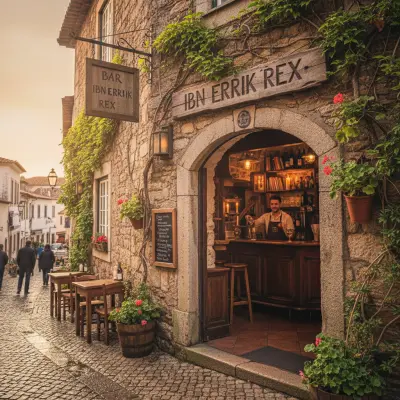
As the afternoon wanes, find your way to Bar Ibn Errik Rex. This is arguably the most atmospheric bar in the country. The walls are lined with hand-painted bottles and dusty artifacts, creating a space that feels like a scholar's private study. This is the place to drink Ginja de Óbidos. While many tourist stalls offer it in chocolate cups (a modern invention for the masses), ask here for a traditional glass. The sour cherry liqueur is a serious craft, and the bitterness of the fruit should be allowed to cut through the sweetness without the interference of cocoa.
The Evening: The Town Reclaimed
The true magic of Óbidos reveals itself after 6:00 PM. When the tour buses depart, the town’s scale changes. The streets become echo chambers for the sound of your own footsteps on the cobbles. This is the time to dine on local specialties like 'Caldeirada da Lagoa' (fish stew from the lagoon). The culinary philosophy here is a micro-reflection of what you might find in the capital’s more traditional corners, a topic explored in our guide to Local Culture in Lisbon: Traditions, Neighborhoods and the City's Soul.
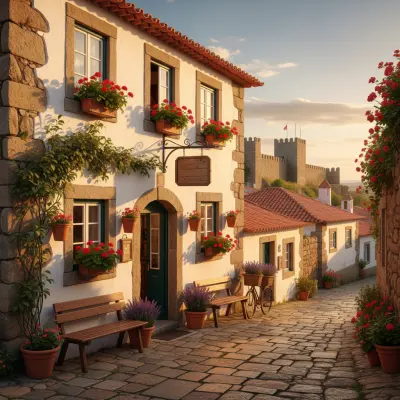
Budgeting for this 24-hour immersion requires approximately €150-€250 per person, assuming you stay within the walls at a boutique guesthouse and indulge in a private wine tour. To visit Óbidos and leave before sunset is to miss the point entirely. Stay for the silence, for the scent of woodsmoke in the winter or jasmine in the summer, and for the chance to see the 'Vila das Rainhas' as it has been for eight centuries: a fortress of quiet, sophisticated resistance against the rush of time.