Almada's Costa da Caparica: Surf for Every Level
Costa da Caparica delivers 15 kilometres of consistent beach breaks, surf schools for every level, and a beach culture that doesn't need to sell itself. From September to November, the first Atlantic swells meet emptier beaches and still-tolerable water temperatures.
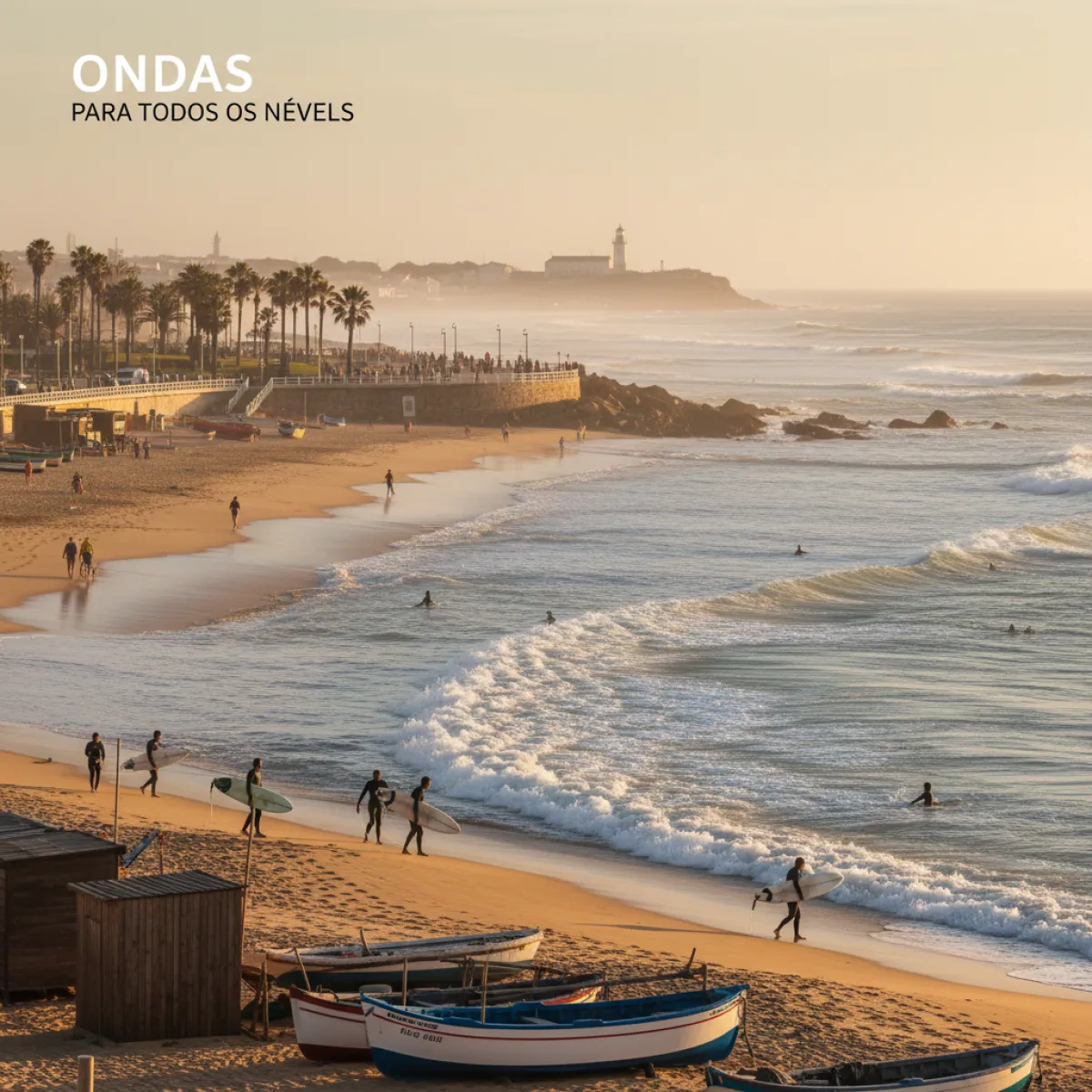
Here's the thing about surfing near Lisbon: everyone talks about Ericeira and Peniche, and those are fine. But if you're staying in or around the capital and want waves without the two-hour drive, Costa da Caparica in Almada is where you go. It's not glamorous. It's not trying to be a surf brand. It's a long, honest stretch of Atlantic beach with consistent waves and a local surf culture that doesn't need your Instagram validation.
The Setup: Understanding the Coastline
Costa da Caparica runs about 15 kilometres of sand, from the urban center down to the wilder beaches near Fonte da Telha in the south. The geography matters because not all of it works the same way.
The northern section, around Praia de São João and CDS, gets the most action. These are beach breaks over sand, which means the banks shift with tides and storms. In winter, when North Atlantic swells push through, expect waves in the head-high to overhead range with real power. Summer is mellower, more forgiving, and that's when most people learn.
Praia do Norte, slightly further south, tends to be less crowded and sometimes holds better shape when the sandbars line up. It's worth the extra ten-minute walk to check conditions before committing to the first beach you see.
Further south, the beaches get progressively emptier. In summer, a little tourist train called the transpraia runs along the coast, dropping people at numbered beach stops. In winter, you need a car or strong legs.
Learning to Surf: What You Actually Need to Know
Caparica has dozens of surf schools. This is good for price competition but means quality varies. Most operate around the São João and CDS area, with group lessons running roughly 25 to 35 euros for a session of 90 minutes to two hours, equipment included.
My advice: skip the seasonal operations that pop up in June and disappear in October. The year-round schools have instructors who know the banks intimately and actually care whether you stand up. Look for schools with coaches certified by the Portuguese Surf Federation. Ask how long they've been running. If the answer involves the phrase "our first season," keep walking.
For kids aged six or seven and up, Caparica works well. Sandy bottom beaches are safer than rocky point breaks, and the summer shorebreak is usually gentle. Many schools run weekly kids' programs, typically in the 100 to 150 euro range per week, but check locally for current prices.
If You Already Surf
Bring your own gear and read the forecast. Northwest swell tends to favor the northern beaches. West or southwest swell can make the southern stretches worth exploring. Low tide usually produces faster, hollower waves; mid-tide is the sweet spot for most conditions.
One thing the guidebooks skip: currents at Caparica can be serious, especially in winter and on an outgoing tide. Don't underestimate this beach because it's a beach break. I know experienced surfers who've been dragged. Respect the ocean, check the flags, and if you're alone, tell someone where you're going.
Just Want to Watch? That's a Legitimate Plan
Not everyone wants to get wet, and there's no shame in that. Costa da Caparica is a brilliant spot for spectating, especially on bigger autumn and winter swells. The seawall near Praia de São João gives you an unobstructed view of the lineup, and there are cafés right on the front where you can sit with a coffee and watch surfers get worked.
If you'd rather turn the whole thing into a proper relaxation day, consider booking a spa day at Costa da Caparica. No wetsuit required. Just the sound of the ocean and someone else worrying about your tension.
Competition days at Praia do CDS are worth catching. Makeshift grandstands go up, commentators grab microphones, and local surfers who normally look like beach bums suddenly rip with startling precision. The Liga MEO Surf usually includes a Caparica stop, though dates shift year to year. Check the Portuguese Surf Federation calendar for specifics.
After the Water: Eating, Drinking, Doing It Again
Post-surf hunger is a physical certainty. The Caparica strip has grilled fish restaurants that are the obvious and correct choice. Look for the ones displaying fresh fish at the entrance and ignore the ones with laminated photo menus. Grilled sea bass or sea bream with boiled potatoes and salad is all you need, and they do it well here.
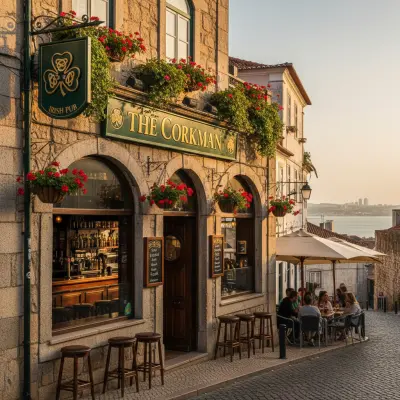
When evening arrives, Almada offers more than seasonal beach shacks. The Corkman Irish Pub is the kind of place where surfers, locals, and expats end up at the same bar without planning it. Don't expect craft cocktails. Expect decent beer, easy conversation, and an atmosphere that works without trying.
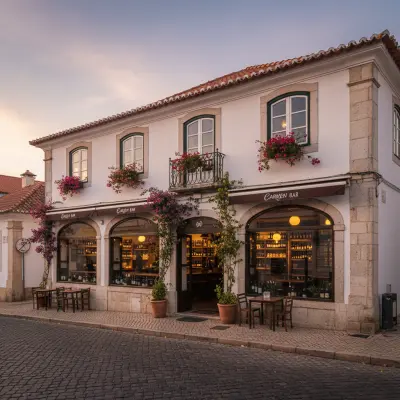
If you want something more curated, Carmen Wine Bar is a solid pick. Good for exploring Portuguese wines without the stiff formality of a tasting room. Ask the staff for recommendations: they tend to steer you right.
For proper cocktails, Ophelia Cocktail Bar is the move. This isn't a beach bar slinging questionable mojitos. It's a bar with intention, where drinks are made with care. The right place for a night that starts with salt water and ends with a negroni.
Getting There and Practical Stuff
From Lisbon, the most direct route is across the Ponte 25 de Abril by car. Outside rush hour, it's 20 to 30 minutes. Parking at Caparica gets brutal on summer weekends. Arrive before 10am or prepare to park far from the beach.
By public transport, take the ferry from Cais do Sodré to Cacilhas, then the 135 bus (Transportes Sul do Tejo) to Costa da Caparica. The whole journey takes about an hour but it's cheap and avoids parking stress. The Navegante monthly pass (40 euros) covers everything.
In summer, the transpraia costs a few euros and is the most pleasant way to explore the southern beaches. It typically runs June through September, but confirm schedules locally.
When to Go
For surfing: September through November is the sweet spot. Water is still tolerable (18-20°C), swell picks up with the first Atlantic storms, and the summer crowds thin out. Winter (December to March) brings bigger waves but colder water (14-15°C), and you'll want a solid 4/3mm wetsuit.
For learning: June through September. Smaller waves, warmer water, all schools running.
For watching: any winter day with swell forecast above head-high. Bring a jacket, grab a coffee, and post up on the seawall.
Beyond the Surf in Almada
The south bank has more going on than waves. If you have extra time, Cristo Rei is worth visiting for the panoramic view over Lisbon, and it costs less than any viewpoint drink in the capital. Old Almada has neighborhood streets and lunch spots serving daily specials at prices Lisbon forgot years ago.
If you're planning a broader trip around the region, it's worth digging into what Lisbon offers in terms of local culture and neighborhood traditions. And if Sintra's on your list, our Sintra neighborhood guide goes well beyond the palace circuit.
But here's what it comes down to: Costa da Caparica is the kind of place where a board, a wetsuit, and a willingness to get in the water is all the planning you need. The Atlantic does the rest. Afterward, grilled fish and a glass of wine. It's simple, and it's good. That's the whole point.