Hiking the Rota Vicentina in March: Spring Blooms and Coastal Views
Discover the wild beauty of the Rota Vicentina in March, when spring blooms carpet the cliffs and storks nest above the Atlantic. An authentic hiking experience with local experts Vicentina Travel.
The Allure of Rota Vicentina in the Heart of Spring
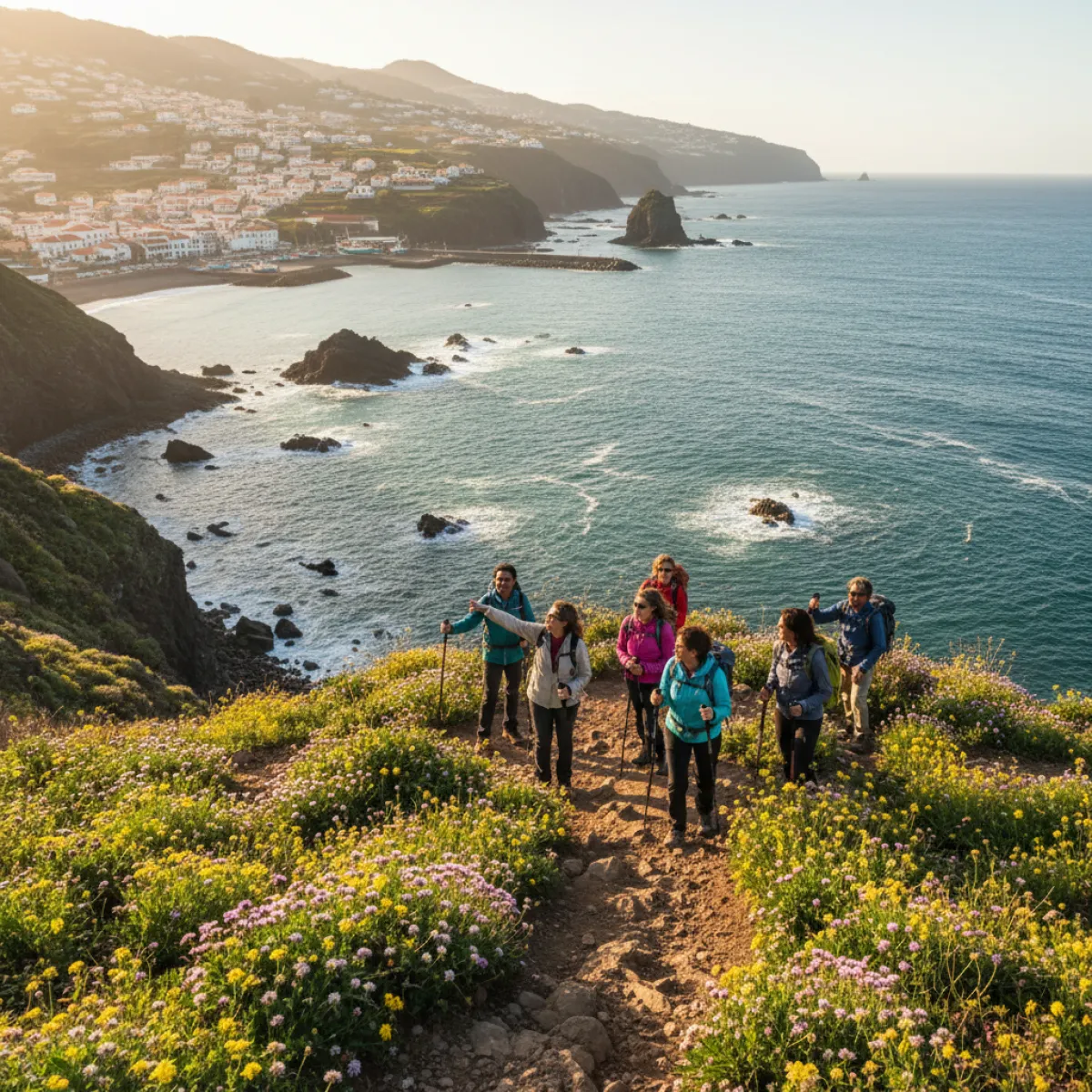
March is arguably the most poetic time to explore the Rota Vicentina. As much of Europe still feels the lingering chill of winter, Portugal’s southwestern coast undergoes a dramatic transformation. This network of trails, covering over 450 kilometers, becomes a vibrant tapestry of colors and scents. For hikers, March offers the perfect balance of mild weather and the peak of the flowering season, making it an unmissable window for nature enthusiasts.
To experience this journey properly, one must look to Vicentina Travel. This local tour operator, deeply rooted in the Alentejo region, specializes in creating immersive hiking experiences that go beyond the path. Their deep knowledge of the territory ensures that every hiker understands the delicate balance between the Atlantic ecosystem and the traditional fishing culture that has shaped these shores for centuries.
The Fishermen’s Trail: A Step Along the Atlantic Edge
The crown jewel of the Rota Vicentina is the Fishermen’s Trail (Trilho dos Pescadores). This route strictly follows the coastline, using the same narrow paths local fishermen have trodden for generations to reach their favorite fishing spots on the rocks. In March, the experience is heightened by the sight of white storks nesting on sea stacks, the only place in the world where they do so. Their clattering beaks and graceful flights over the crashing waves provide a unique soundtrack to the trek.
Starting from the picturesque village of Porto Covo, the trail leads you through vast sand dunes and over towering cliffs. The physical challenge is moderate but rewarding. Walking on sand requires effort, but the panoramic views of the turquoise ocean and the hidden coves of the Alentejo and Vicentine Coast Natural Park make every step worthwhile. The temperature usually sits between 15°C and 20°C (59°F to 68°F), ideal for long days of trekking without the scorching heat of the summer months.
Spring Blooms: A Botanical Masterpiece
The botanical diversity in March is staggering. The coastal heaths are covered in Stauracanthus genistoides (gold flower), turning entire hillsides into gold. You will also find the sticky, sweet-scented Rockrose (Cistus ladanifer) and the delicate purple spikes of French Lavender. The dunes themselves are stabilized by a variety of endemic plants that have adapted to the salty winds and sandy soil, creating a lush green backdrop that contrasts beautifully with the deep blues of the Atlantic.
While the Rota Vicentina is a mainland treasure, Portugal’s coastal identity is equally strong on its islands. For a different but equally compelling maritime atmosphere, many travelers eventually find their way to Câmara de Lobos: The Fishing Port That Seduced Churchill in Madeira. While the Rota Vicentina offers rolling plains and jagged cliffs, the Madeira port provides a vertical drama of volcanic rock and terraced vineyards, showing the incredible diversity of the Portuguese coastline.
Practical Tips for Your March Hike
- Footwear: While hiking boots are essential, sand gaiters are highly recommended for the Fishermen's Trail. They prevent sand from entering your boots, which is the primary cause of blisters on this specific route.
- Planning: March is the beginning of the peak season for hikers. It is wise to book your accommodation and luggage transfer services with Vicentina Travel at least three months in advance to ensure availability in the small coastal villages.
- What to Pack: Layers are key. A moisture-wicking base layer, a light fleece, and a high-quality windbreaker will cover most weather scenarios. Don't forget high-SPF sunscreen, as the Atlantic breeze often masks the sun's strength.
The Step-by-Step Experience
Your journey with Vicentina Travel typically begins with a briefing in Porto Covo. From there, you head south towards Vila Nova de Milfontes. The first stage is often considered the most beautiful, passing the Ilha do Pessegueiro and crossing vast stretches of pristine dunes. By the third day, you reach the dramatic cliffs of Cabo Sardão, where the storks dominate the skyline. The route continues through Almograve and Zambujeira do Mar, eventually reaching the stunning river mouth at Odeceixe, where the Alentejo meets the Algarve.
This experience is about reconnection, with the land, the sea, and a slower pace of life. The Rota Vicentina in March is not just a hike; it is an invitation to witness the world waking up in one of the last wild corners of Europe.