Guided Hikes in Gerês with RB Hiking, Terras de Bouro
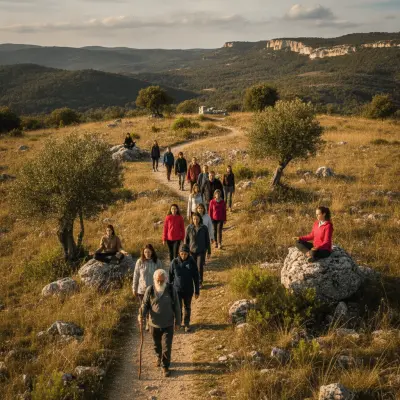
May and early June are the best window for hiking in Gerês: streams are full, the heather is flowering, and midday temperatures still sit below 22 ºC. Local guide Rui Barbosa of RB Hiking & Trekking in Campo do Gerês runs small groups of up to ten on routes like Escaleira, Lago Marinho and Corga da Fecha.
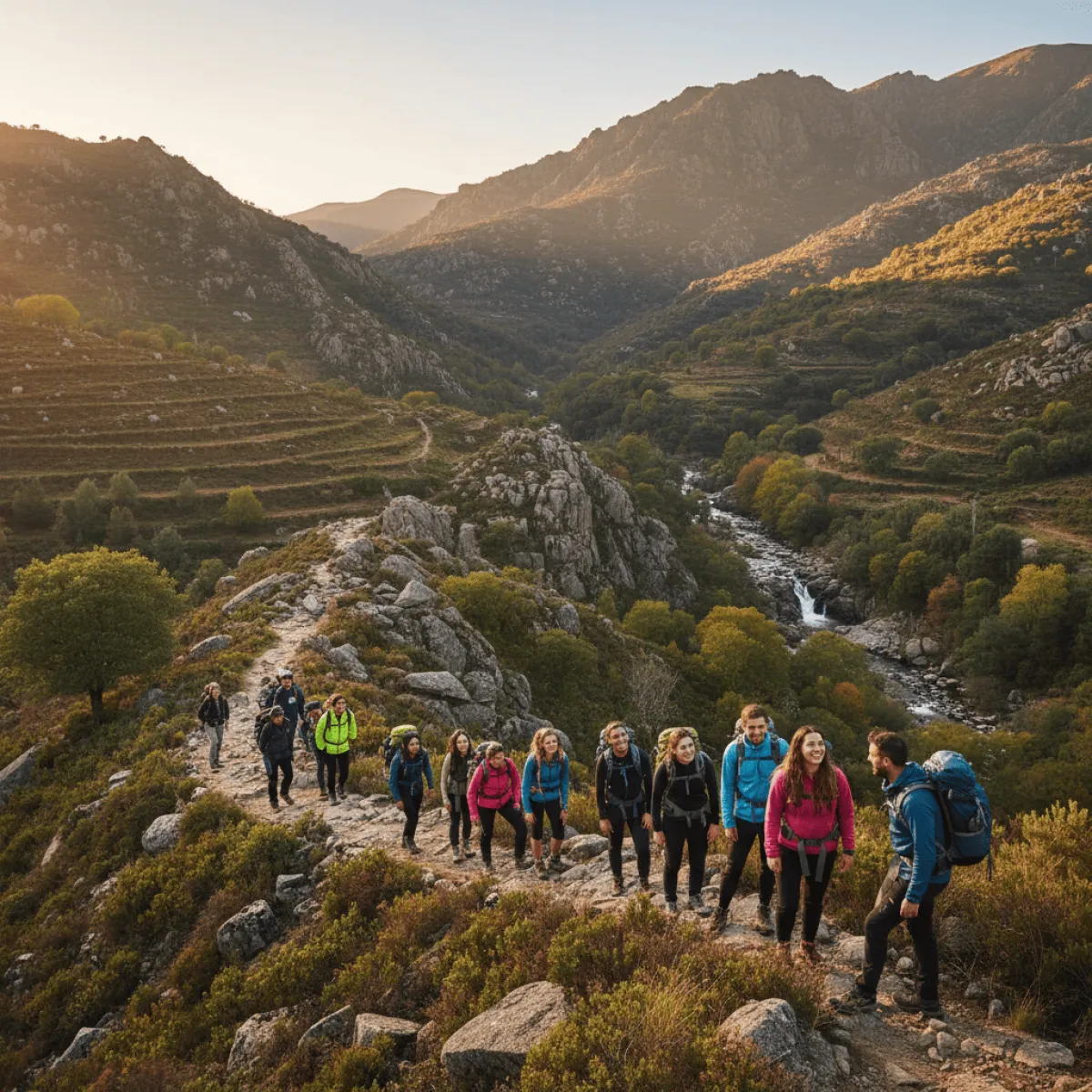
May and the first week of June are the sweet spot for hiking in Peneda-Gerês National Park. Streams still run high from winter rain, the heather is in flower, and midday temperatures rarely climb above 22 ºC. By mid-July the same trails turn into a dry oven and the car parks at Vilarinho da Furna and Portela do Homem are a lost cause after 9am. If Gerês is on your list this year, book now, before the heat.
Who runs RB Hiking & Trekking
Rui Barbosa is a mountain guide based in Campo do Gerês, Terras de Bouro, operating under licence RNAAT 624/2020. His company, RB Hiking & Trekking, runs from Rua da Fonte da Portela 80, a short walk from the Vilarinho da Furna interpretation centre. The full calendar lives at barbosa-trekking.pt and groups are capped at ten. That cap matters more than people realise. Anyone who has shuffled along single file behind nineteen strangers on a narrow goat path knows exactly why.
The trails you can expect in May and June
The spring programme shifts year to year, but a handful of routes come back because they work best when the rivers are full:
- Escaleira and Lago Marinho: a stiff climb to one of the prettiest glacial lakes in the park. My pick for May.
- Corga da Fecha: a tall waterfall above Ermida, with plunge pools that are still bracingly cold in May.
- Redondelo summit: full day, sporty pace, big views toward the Soajo range.
- Xertelo to Fafião crossing: hard, with technical sections. Not for first-timers.
- GR 50 stages: the Grande Rota of the park, often offered as weekend packages.
Some dates fill up weeks ahead. The Portela do Homem crossing, for instance, usually closes registrations in April.
How the day actually runs
The meeting point is nearly always Campo do Gerês, at the car park beside the Serra do Gerês interpretation centre, 9am sharp. Guests at partner accommodations can be picked up. Rui runs the briefing in front of a paper map: distance, elevation gain, water points, what happens if the weather turns. By 9:30 or 10am you are walking.
The pace is honest. It is not a Sunday stroll, but it is not a race either. On a moderate route you cover 12 to 15 km with roughly 600 metres of climb, with a long lunch stop next to a stream. The best moment, in my experience, comes around 11am when you reach the first high viewpoint of the day. The valleys still hold low cloud, and you can hear the garranos, the wild horses of Gerês, snorting somewhere below. It is not a cliché. It really is like that.
What to bring
- Footwear: proper hiking boots with Vibram soles. Trail runners are not enough, there is loose rock and wet stone.
- Backpack: 20 to 25 litres. Pack a rain shell even in May. Gerês is the wettest part of Portugal and an afternoon thunderstorm is normal.
- Water: two litres per person. There are fountains along the way, but check with the guide before drinking.
- Lunch: a sandwich or packed meal. In Campo do Gerês, Padaria do Gerês does excellent house-cured ham sandwiches, and Mercearia do Tó has fruit.
- Sunscreen and a hat: altitude tricks people, and the ridges have no shade.
- Swimsuit: the waterfalls are flowing and a five-second dunk in Lago Marinho is its own reward.
Booking and prices
Pricing varies by trail and duration. Half-day open-group hikes are cheaper than full-day technical crossings or private outings. Because exact rates are not always posted for every date, confirm directly with the provider by WhatsApp or email before you book.
- Phone, WhatsApp: +351 938 450 305
- Email: rmcsbarbosa@gmail.com
- Website: barbosa-trekking.pt
There is also the Annual Guided Hikes Programme run by the Gerês Viver Turismo association, free for guests of partner lodgings (around 7.50 € per person for non-guests), with mandatory registration 48 hours ahead via vivergeres@gmail.com. A solid alternative if you are already staying in Vilarinho or Campo do Gerês, but the groups are bigger.
Getting to Campo do Gerês
From Braga it is a 50-minute drive on the N103 and then the N308. There is no train, and the Empresa Hoteleira do Gerês buses run on a thin schedule. From Porto, allow 1h30. The Campo do Gerês car park is free and rarely fills, unlike the chaos around Caldas do Gerês.
Where to stay if you want an early start
For a 9am meet, sleeping in Braga is doable but tiring. Better to stay in Campo do Gerês or São João do Campo. The Gerês youth hostel is plain and cheap. Parque de Cerdeira has bungalows five minutes from the meeting point. Book ahead: from mid-May, weekends sell out.
One last piece of advice
Do not try these routes alone based on a blog post. Signage is decent on the Grandes Rotas but bad on the older shortcuts, and there is at least one rescue a month involving someone lost in the Mata da Albergaria. Paying a local guide, especially someone who grew up on that mountain, is the best call you can make for a first visit. The second time, you will already know where you want to go back on your own.