Aveiro Salt Pans Tour: Flor de Sal and Birds
A one-hour guided walk inside a working salt pan in Aveiro, with flor de sal tasting and birdwatching across the Salgado, where over 20,000 migratory birds overwinter. Twelve euros per adult, advance booking with Salinas Aveiro required.
I'd cycled past the Aveiro salt pans dozens of times before I actually stopped at one. From the train window, from the boardwalk on the way to Costa Nova, from the seat of a bike, they look like a clean white grid. You think you understand them at a glance. You don't.
The first time I walked inside one was with Salinas Aveiro, the small operator that runs guided tours at the Ecomuseu da Marinha da Troncalhada and other working salt pans around the Ria. It cost 12 euros, lasted about an hour, and changed the way I think about the white stuff I put on tomatoes.
The operator, the meeting points, the price
The provider is Salinas Aveiro (salinasaveiro.com). They work with professional guides who speak Portuguese, English and often Spanish or French. Tours leave from three points: Rossio in central Aveiro, the Ecomuseu da Marinha da Troncalhada (the most common option), and the CMIA, the city's environmental interpretation centre. You book ahead by phone (+351) 910 951 364 or by email at geral@salinasaveiro.com.
Prices on my visit: 12 euros per adult, 6 euros per child, free for under 3s. Groups of 18 or more pay 5 euros per adult. Confirm directly with the provider before you book, prices change.
What you actually do
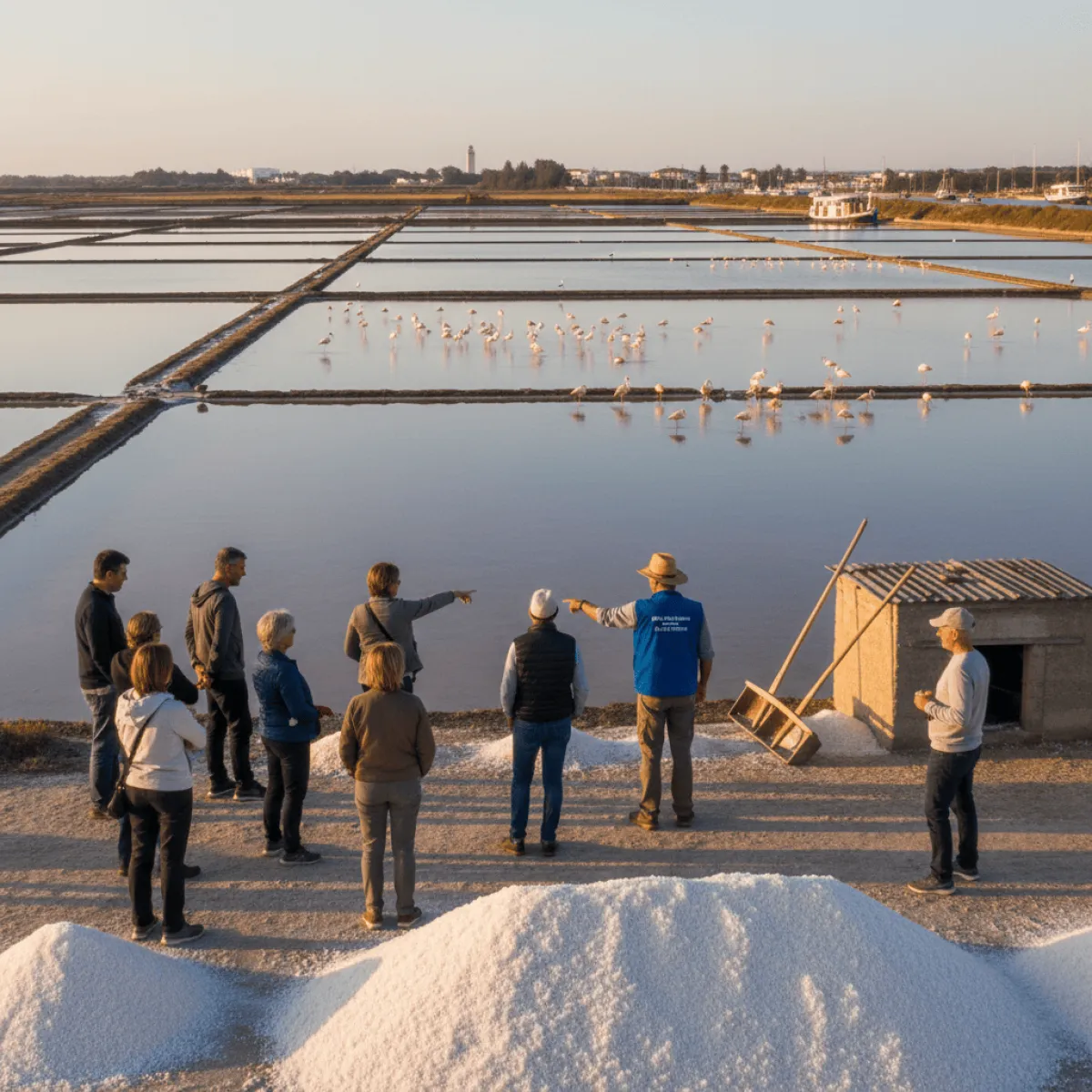
You arrive at the marinha along a dirt track. There's no glass reception, no turnstile. The guide meets you near a small wooden shed and the first thing you notice is the smell: briny, mineral, slightly fermented, with a muddy undertone that can feel odd until you adjust.
The visit is a slow walk along the clay banks that divide the tanks. The guide explains how the system works: seawater drifts in from the Ria, passes through a chain of shallow evaporators that get progressively smaller and saltier, and finally reaches the crystallisation tanks where the salt precipitates. No electricity, no pump, no chemistry. Just wind, sun, and patience.
The best part is the flor de sal section. The guide shows the fine crystalline film that forms on the surface of the warm water in the late afternoon, and explains why it costs five times what regular sea salt does. It's hand-harvested with a wooden tool called a rodo, during a short window each afternoon. I tasted it. Rounder than table salt, less aggressive, with a real mineral note at the end. This is not marketing, it does taste different.
Birds: why you should bring binoculars
The Salgado de Aveiro is a designated Special Protection Area. In winter, more than 20,000 migratory birds use it as a stopover or feeding ground. Flamingos are the photo headline, but the species that stayed with me was the avocet: black and white, with a fine upturned bill, sweeping the water in tight choreographed circles.
You also see black-winged stilts, grey herons, spoonbills, and several plover species. If you're serious about birds, ask for the dedicated birdwatching version of the tour. It's something Salinas Aveiro offers on top of the standard visit, with a guide who actually knows what they're looking at.
When to go
There are two clear seasons here and neither is wrong, they're just different. Between June and September you see the marinha working: marnotos harvesting, white pyramids of salt drying in the sun, flor de sal being skimmed in the late afternoon. This is the active version.
Between October and May the pans flood and the birds take over. No harvest, but plenty of binocular time, fog, light, silence. If you come in winter, bring a windproof jacket. The Ria wind is not a polite wind. In April you can pair the salt pans with an empty beach morning, without the August heat.
Practical things nobody tells you
- Footwear: closed trainers or light boots. People show up in sandals, then spend an hour stumbling on the clay banks.
- Clothes: layers. Mornings can be cool even in July, midday sun is uncompromising and there's zero shade. Bring a hat.
- Water: take a bottle. There's no kiosk on site.
- Sunscreen: the white salt bounces light back at your face in a way that fools any complexion.
- Morning or afternoon: I prefer late afternoon, between 3 and 5 pm. The low light makes the flor de sal layer easier to spot, and the birds are more active. For photography it's clearly better.
- Camera or phone: bring the best one you have. The geometry of the tanks photographs beautifully.
Getting there
The Marinha da Troncalhada is about 15 minutes on foot from central Aveiro, along the São Roque canal. Bicycle is even better: the path runs right next to the marinha. There's surface parking by the Ecomuseu. If you arrive by train, you're 20 minutes from the station. It works surprisingly well with kids, especially curious ones who like animals or water.
Pairing the visit
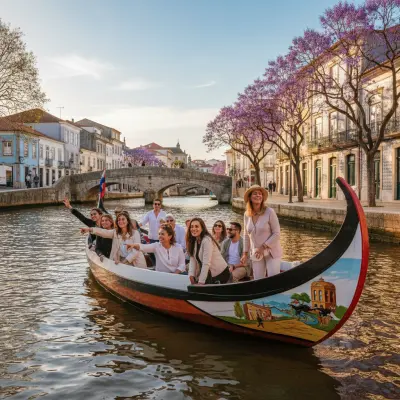
The format that worked best for me: salt pan visit in the morning or late afternoon, fish lunch in the centre, moliceiro boat ride on the Ria in between. If you're staying over, Welcome In Aveiro is well placed, a five-minute walk from Rossio, one of the tour meeting points. For something more intimate, Cais do Pescador has a direct view over the Ria that makes complete sense at the end of a salt pan day.
If you're stitching a longer itinerary together, this seven-day route between Lisbon and Porto uses Aveiro as a central stop and the salt pans pair naturally with the Ria boat ride.
Is it worth it?
It is, with one caveat: come ready to spend an hour listening to someone talk about salinity, evaporation and flamingos. This is not a theme park. It's not interactive, it's not gamified. It's a working salt marsh with men doing the same job people here were doing in 1500. The pleasure is in seeing that. You leave with a small bag of flor de sal that lasts months in the kitchen and changes how you season vegetables for the rest of the year.