Sleep
€
Quinta da Ti Júlia
Tomar
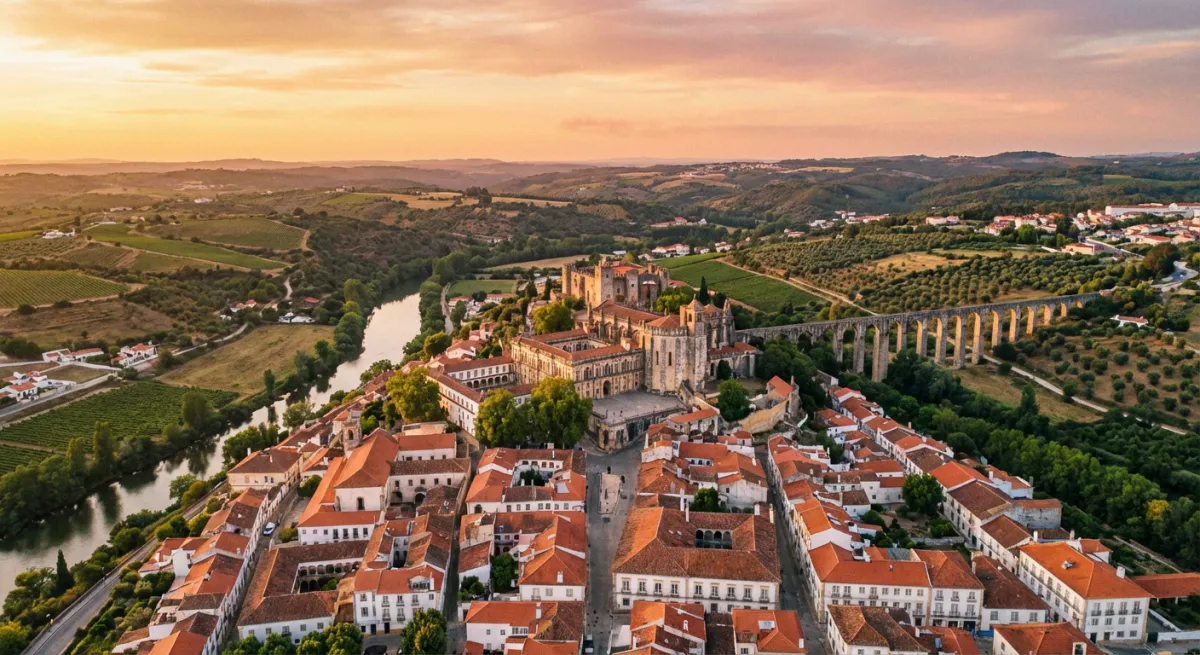
Tomar is the city of the Knights Templar and the Convent of Christ, but the riverside old town and the Festa dos Tabuleiros (held every four years) give it a distinct identity. One day covers the essentials; two let you explore the Castelo de Bode reservoir nearby.
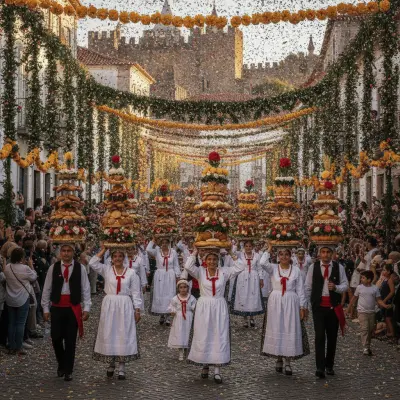
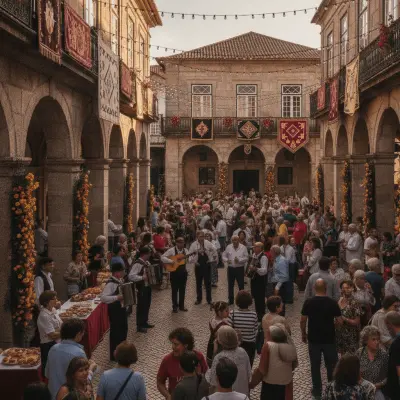
Once every four years, Tomar fills with young women balancing towers of 30 loaves on their heads and streets carpeted in handmade flowers. An honest guide to seeing the Festa dos Tabuleiros without ending up sleeping in Abrantes.
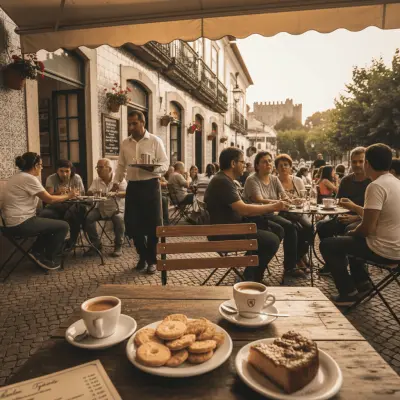
In Tomar, proper breakfast happens at the counter, elbow on marble, galão for a euro. This is the opinionated guide to the cafés worth your time, and exactly what to order at each, without clichés or cocoa-dusted cappuccinos.
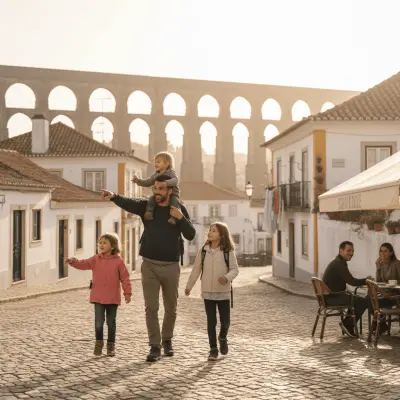
The Convent of Christ is enormous and they'll want ice cream by 11am. But Tomar works with kids, on its own terms: stale bread for the Nabão's carp, shade in the Sete Montes forest, and rural quintas 15 minutes from the center where the silence is actually silent.
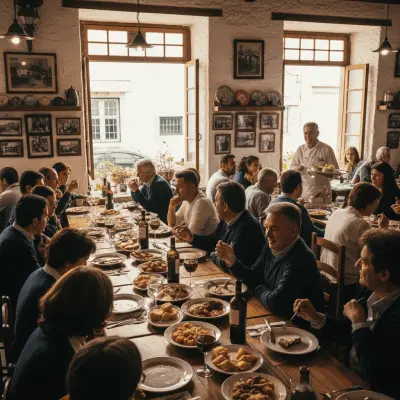
Forget the laminated menus on Rua Serpa Pinto. Locals eat lunch at 12:30 sharp behind plastic strip curtains on the right bank of the Nabão, ten euros for soup, main, and house wine. Here's the honest guide.
Tomar exists because of the Knights Templar, and there's no point pretending otherwise. The Convent of Christ sits above the city on a wooded hill, and it's arguably the most impressive monument in central Portugal, the Chapter Window alone is worth the trip. But reducing Tomar to the convent means missing half of what's here.
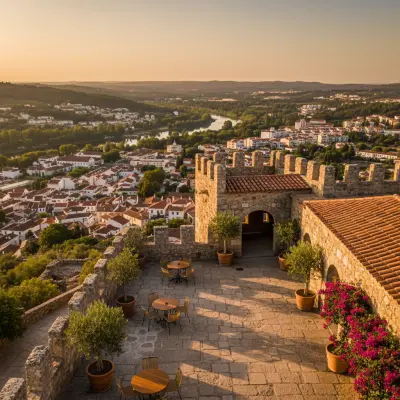
The old centre follows the course of the River Nabão, with Praça da República as the natural starting point. The Church of São João Baptista, right on the square, has a Manueline portal that most visitors rush past, too focused on climbing to the convent. Rua Serpa Pinto, the main commercial street, still moves at a pace you won't find in larger cities, neighbourhood shops, unpretentious cafés, people who actually greet each other.
Across the river, the Mata Nacional dos Sete Montes provides shade and quiet, functioning as the city's garden. It's the right place for a midday break, especially in summer, when Tomar gets properly hot.
If there's one reason to plan your visit well ahead, it's the Festa dos Tabuleiros, held only every four years, turning the city inside out for a full week. Young women parade with tall trays of bread and flowers balanced on their heads, continuing a tradition that goes back centuries. In off-years, Tomar is considerably quieter, which isn't necessarily a bad thing.
The fatia de Tomar, a slice of fried dough covered in syrup, is the local sweet, and you'll find it in virtually every pastry shop in the centre. For a proper meal, the regional cooking leans on roast kid, and Rabaçal cheeses produced not far from here.
One full day is enough to see the convent properly and walk the centre. Two days let you explore the surroundings, the Castelo de Bode reservoir sits just a few kilometres away and is one of the largest in the country. Tomar works well as a base for the Middle Tagus area, but also as a half-day stop between Lisbon and Coimbra.