
Go Out
€€
Hotel Oslo Coimbra Rooftop Bar
Coimbra
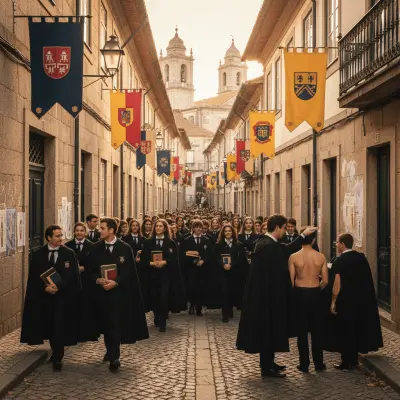
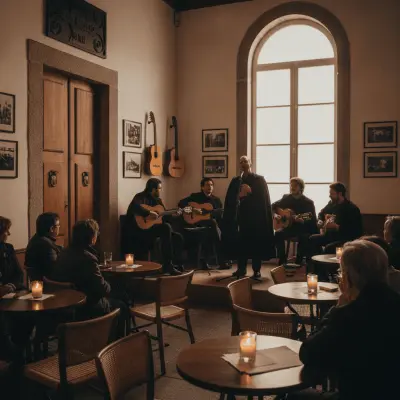
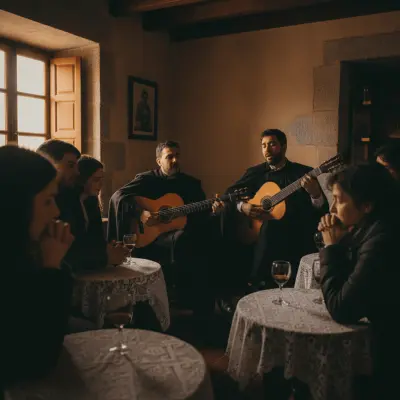
About a dozen of them remain, with names like Pra-Kys-Tão and Bota-Abaixo, run as tiny independent republics where dinner is cooked in a shared pot and fado is sung after dessert. An honest guide to the houses where Praxe still pays rent.
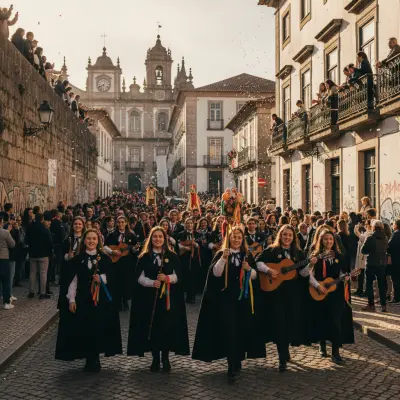
Eight nights, tens of thousands of people, and the Sé Velha cathedral in absolute silence at midnight: an honest guide to Europe's largest student festival, with practical advice on where to stay, what to eat, and where to escape when you need to breathe.
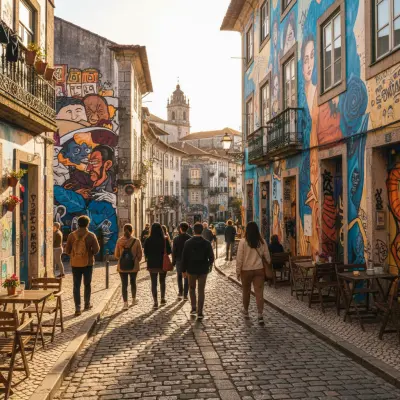
Between the Old Cathedral and the University, the walls of Coimbra's Alta tell stories the traditional guides miss. A practical route through the street art and independent galleries of a city quietly reinventing itself.
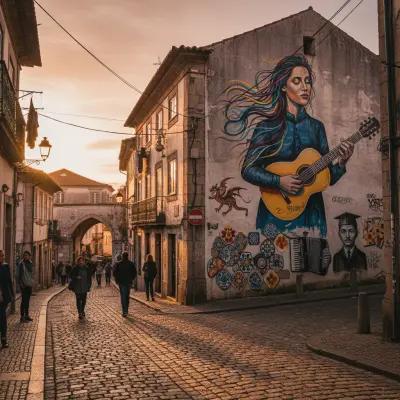
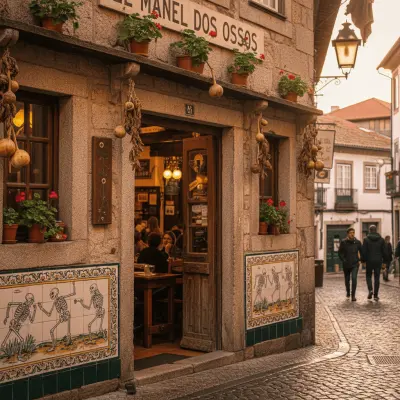
Bordalo II's owl is gone from the Colégio das Artes, but Coimbra's walls keep talking. From the Quebra Costas steps to the student república facades, this is the street art trail no conventional guide gives you.
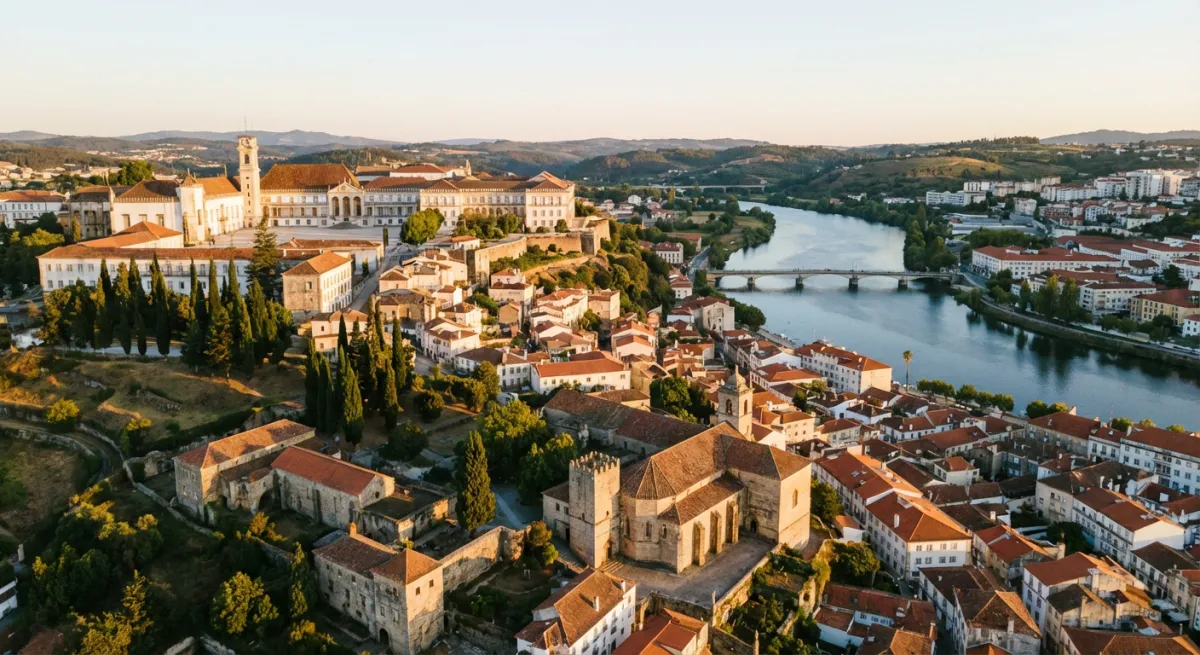
Coimbra is a city that climbs. Streets rise steeply from the Mondego river to the University at the top, and walking them daily is part of living here, students hauling backpacks up Rua da Matemática, old residents pausing halfway up the Quebra-Costas steps to catch their breath. This isn't atmosphere. It's geography.
The University of Coimbra, founded in 1290, sits at the summit of the Alta district and sets the rhythm for everything below. The Joanina Library deserves the visit, yes, but what's more revealing is walking along Rua Larga and noticing how the entire city orbits the institution, the student republics with their painted facades, the cafés built for lingering, the Sé Velha just steps away, stocky and unadorned. During term time, Coimbra hums. Outside it, the city retreats.
Chanfana, goat slow-cooked in Bairrada red wine, is the dish that defines regional cooking here. You'll find it in traditional restaurants, especially on the south bank and in nearby villages. In the city centre, the area around Pátio da Inquisição and Largo da Portagem has reliable options. For dessert, pastéis de Tentúgal are the right call, paper-thin pastry filled with egg cream, originally from a town 20 minutes away. The old-style leitarias still exist too, serving simple food without fuss.
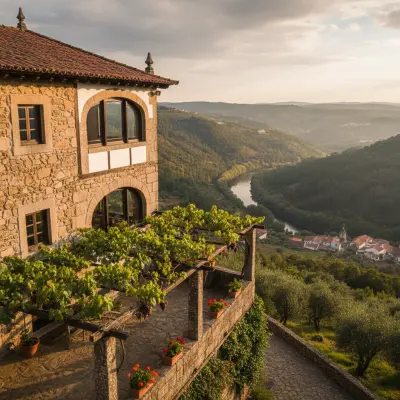
The Mondego gives Coimbra a sense of scale that other Portuguese university towns lack. Crossing the Ponte de Santa Clara opens up views of the Convento de Santa Clara-a-Nova and Portugal dos Pequenitos, a 1940s miniature theme park that locals either love or tolerate. On the south bank, Parque Verde do Mondego is where people run, walk dogs, and sit as the afternoon fades.
Two days cover the essentials. May is the most intense month, when Queima das Fitas, the end-of-year student festival, takes over for a full week. Good if you want the energy, less so if you want quiet. Early autumn, with students returning and the light still warm, is probably the best window. Coimbra also works well as a base for Conimbriga, the Roman ruins 15 km south, or the Buçaco National Forest.