The Atlantic Grain and the Queen’s Grapes: An Óbidos Gastronomy Study
Discover the Óbidos that thrives beyond the tourist crowds, in an itinerary that blends wood-fired sourdough, heritage liqueurs, and the mineral wines of the West. A guide for those seeking the luxury of simplicity and the rigor of Portuguese terroir.
The West’s Culinary Gravity
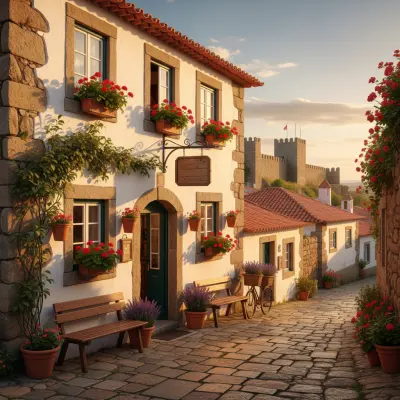
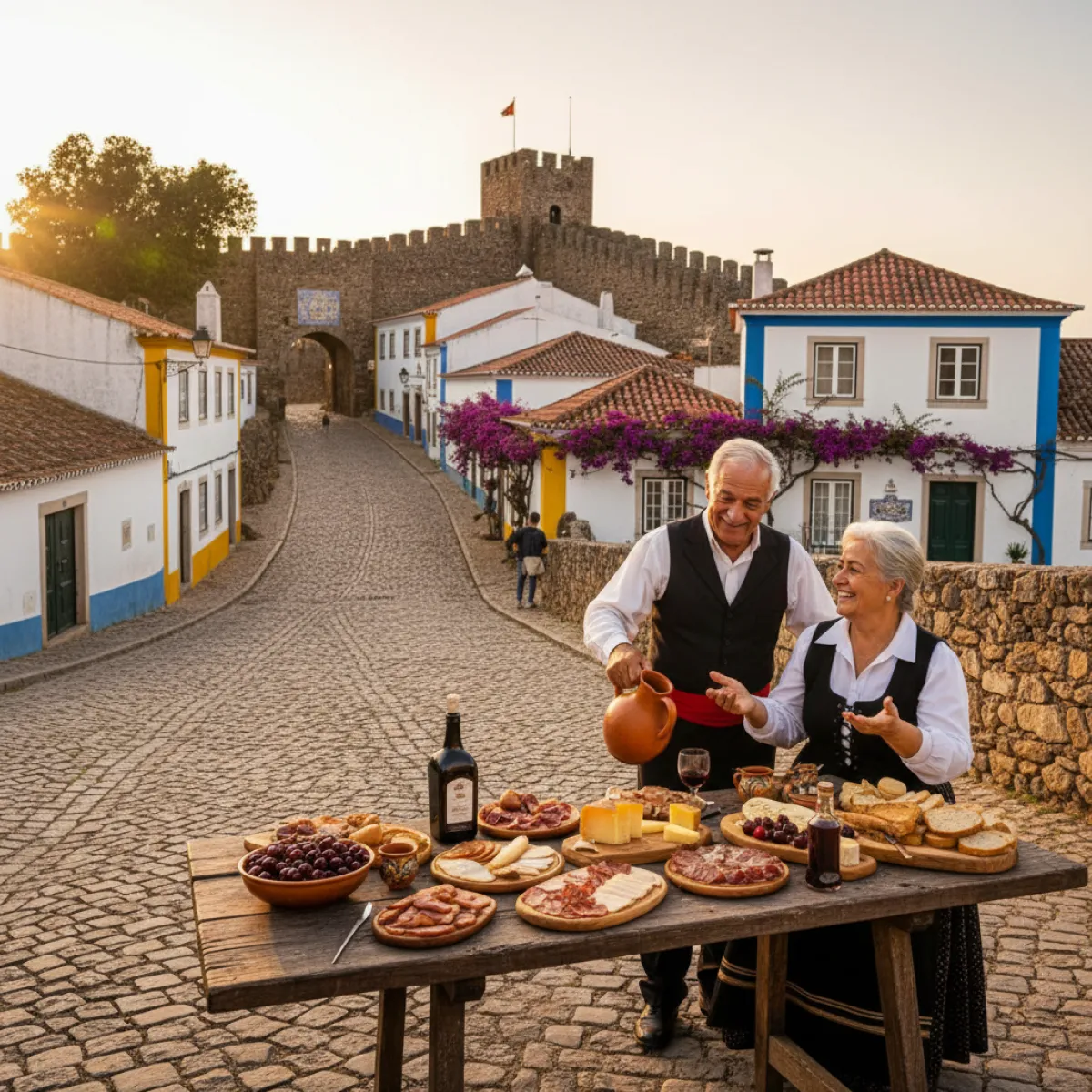
Óbidos is often victimized by its own photogenic nature. The medieval village, encased in perfectly preserved walls and presided over by a castle that has watched the horizon for centuries, draws crowds who largely consume only its visual surface. Yet, for those willing to bypass the day-trip noise, there is an Óbidos that beats to the rhythm of the harvest, slow-fermentation sourdough, and patient distillation. The microclimate of the Oeste region, defined by Atlantic winds and salt-tinged air, forges a unique terroir where the acidity of the wines and the density of local produce tell a story of geographical precision.
Visiting Óbidos for its food requires a shift in perspective. This is not a static museum piece but an ecosystem where literary tradition (it is a UNESCO City of Literature) intersects with a culture of subsistence that has matured into refinement. Gastronomy here isn't a side note; it is the skeletal structure of an identity that has withstood the march of time. To understand this town, you must arrive early, when the dew still clings to the cobblestones and the scent of woodsmoke begins to rise from ancient chimneys.
The Ritual of Grain and the Wood-Fired Oven
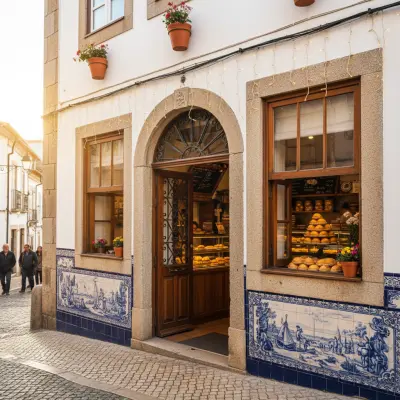
The first stop on any serious itinerary must be Capinha d'Óbidos. Strategically positioned for those ascending the main thoroughfare, this bakery is a monument to natural fermentation and the wood-fired oven. Ignore the industrial offerings on the outskirts; here, the dough is worked with the gravity and time that cereal demands. Their 'pão com chouriço' (chorizo bread), served warm, is a masterclass in texture: a floured, crunchy crust giving way to an elastic, moist crumb, where the fat from local cured sausage has seeped in during baking.
For breakfast, order a short espresso and one of their artisanal pastries. The cost is marginal, perhaps 3 to 5 euros for a light meal, but the value lies in the preservation of a technique vanishing from major European capitals. It is the kind of place where you realize that simplicity, when executed with rigor, is the highest form of luxury. Watching the bakers work, one understands that Óbidos is not just to be seen; it is to be chewed.
Where the Atlantic Meets the Highlands
Descending toward the main gate, you encounter a concept that, while present across Portugal, takes on a ceremonial quality in Óbidos. Casa Portuguesa do Pastel de Bacalhau offers a pairing that challenges purists: shredded Atlantic cod, encased in a batter of potato and spices, filled with the unctuous Serra da Estrela PDO cheese. It is a piece of culinary engineering that bridges the North Atlantic with the mountainous interior of Portugal.
The experience should be unhurried. The 'pastel' is served at a temperature that allows the cheese to flow upon the first cut, creating a harmony between the saltiness of the fish and the buttery, slightly acidic notes of the sheep’s milk. Pair it with a glass of local white wine, whose sharp acidity cuts through the richness. This isn't a snack to be eaten on the run; sit down and appreciate the choreography of the preparation, which is a demonstration of respect for national heritage products.
Ginjinha and Intellectual Hospitality at Ibn Errik Rex
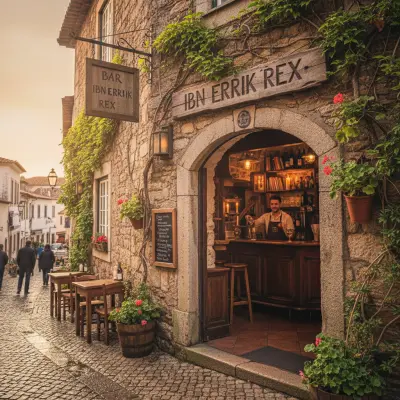
No foray into Óbidos is complete without Ginjinha (sour cherry liqueur), but the venue defines the quality of your experience. Eschew the plastic cups at street stalls and seek out Bar Ibn Errik Rex. This establishment is a time capsule, its walls covered in antique bottles, original ceramics, and lighting that invites confidence. Ibn Errik Rex is not just a bar; it is the legacy of a family that understands the value of social tertulia.
The Ginjinha here is served with the authority of those who know that cherry liqueur is a craft. You may opt for the traditional chocolate cup, but the true essence is revealed in glass, where the fruit, the 'ginja', rests at the bottom. The flavor is intense, balanced, without the excessive sugar found in commercial versions. It is the ideal spot to observe how the village breathes after 6:00 PM, as the sun sets over the Oeste vineyards and the shadows of the ramparts lengthen. Budget 10 to 15 euros for a few rounds and some petiscos of cheese and flame-grilled chorizo, treated here with the dignity they deserve.
Heritage Wines and the Terroir of the West
To elevate the oenological experience, one must step slightly outside the village walls. A few minutes away, Quinta do Sanguinhal represents the rural aristocracy of the region. Beyond the Castle Walls: A Heritage Wine Journey at Quinta do Sanguinhal grants access to a world of 19th-century granite presses and cellars where time seems to have stalled for the benefit of the must.
Here, the Vital grape variety is the protagonist. This variety, almost exclusive to this zone, produces whites of unusual minerality, perfect for accompanying local gastronomy. During the visit, ask to taste the fortified wines and the brandy, aged in French oak barrels. It is a deep dive into Portugal’s economic history, revealing how wine was, and remains, the engine of development for this landscape. Quinta do Sanguinhal doesn't just offer a tasting; it offers context, explaining why these clay-limestone soils produce wines with such remarkable aging capacity.
Contrast: From Medieval Stones to Modern Murals
Óbidos has successfully balanced its historical weight with modern interventions that avoid being pastiche. Óbidos Street Art: A Contemporary Journey Through the UNESCO Literary Village is the ideal visual palate cleanser. Seeing how the colors of muralist Violant dialogue with the white lime and ochre window frames helps process the complexity of the village. It is a reminder that culture, whether on a plate or a wall, is a living organism.
If this itinerary whets your appetite for broader regional exploration, remember that Óbidos is a strategic starting point. As we noted in our guide to the Best Day Trips from Cascais: Unmissable Destinations, the proximity to the sea influences everything you eat here. The logistics are simple, but the sensory rewards are immense.
Practical Notes for the Traveler
To fully enjoy this itinerary, avoid the weekends of major festivals if your primary goal is gastronomy. The village becomes dense, and service can lose the necessary personalization. Autumn is perhaps the best season: the scent of the harvest hangs in the air and temperatures allow for long walks along the ramparts to build an appetite. Set aside 60 to 80 euros per person for a full day of indulgence, including winery tours and structured meals. In Óbidos, time is the most valuable currency; use it sparingly, stopping to listen to the wind and taste the history.