Aljezur: Where the Atlantic Bites and the Crowds Vanish
Forget the glossy postcards. In Aljezur, the Algarve shows its teeth with black shale cliffs, relentless winds, and wild beaches where the only sound is the roar of the Atlantic.
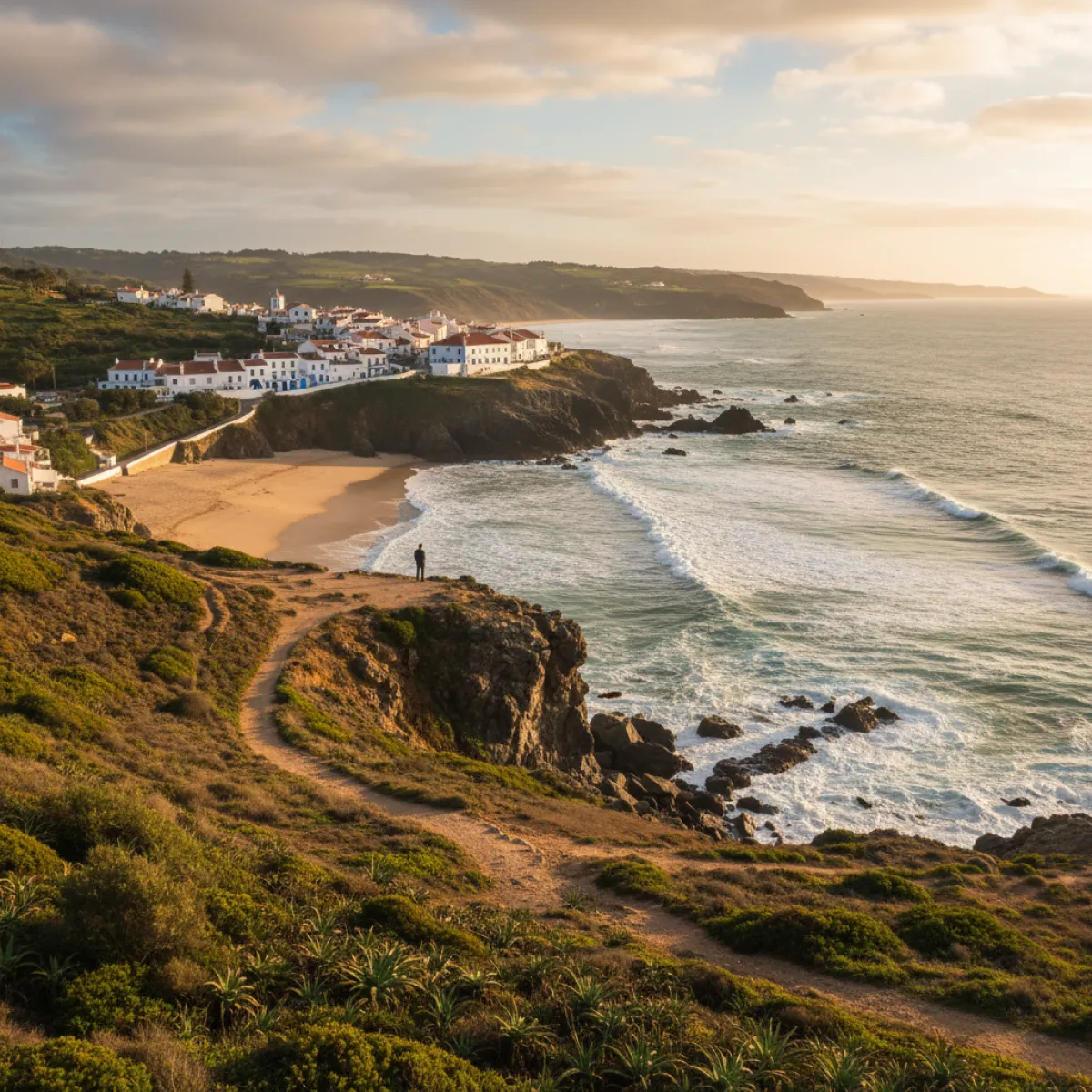
The Shock of the Costa Vicentina
Forget the plastic-wrapped Algarve of the postcards, the rows of sun loungers, and the cocktails topped with paper umbrellas. When you cross the invisible border separating the southern Algarve from the Costa Vicentina, the air changes. The smell of coconut sunscreen is replaced by the resinous scent of rockrose (esteva) and the salt spray that the Atlantic hurls against the shale cliffs. Aljezur is not for those seeking thermal comfort or swimming-pool-still waters; it is for those who want to feel the raw scale of the ocean.
The town of Aljezur, split between the old quarter climbing toward the castle and the newer Igreja Nova area, serves as a strategic base. But the true magnetism lies below, in those coastal fissures where sand fights for space with rock. Coming from the south, the contrast is jarring. While the Lagos Neighborhood Guide: Discover Every Corner of This Algarve Gem reveals a cosmopolitan, vibrant city, Aljezur maintains a rural austerity that deters the lazier types of mass tourism. Here, the wind blows with conviction and the sea asks for no permission.
Arrifana: The Stadium of Waves
Arrifana is the poster child, but don't let its popularity fool you. Even when the parking lot at the top of the cliff looks like an impossible puzzle of surf vans, the beach retains its majesty. The steep descent on the asphalt, which feels twice as tilted on the way up, prepares the spirit. To the right, the iconic Pedra da Agulha (Needle Rock) rises from the sea like a prehistoric shark's tooth.
In winter, Arrifana is a refuge for surfers when everything else is too big or blown out. In summer, it’s the place where the water temperature somehow manages to climb a degree or two above the region's freezing average. If you're hungry, skip the obvious tourist traps at the top. Look for fresh fish, but know that the real local identity is found in the soil. Aljezur thrives on the symbiosis between sea and field, a connection best understood by exploring The Sweet Potato Heritage: A Gastronomic Journey through Aljezur's Rural Markets. It’s this sweet potato, the Lira variety, that accompanies your grilled octopus or sea bream, providing a sweetness that balances the iodine of the dish.
Monte Clérigo and Amoreira: Where the River Ends
Heading north, Monte Clérigo offers a scene that feels almost cinematic. A small village of colorful houses scattered by some giant at the foot of a dune. This is a beach for local families, with tide pools where kids hunt for crabs and surfers who prefer waves less predictable than those at Arrifana. The restaurant A Rede is a mandatory stop, order the percebes (gooseneck barnacles), but only if they are local. They are small, plump, and taste like the purest sea imaginable.
A few kilometers away, Amoreira is the purist's secret. Where the Aljezur river meets the sea, it creates a labyrinth of still waters and sandbanks that shift with every tide. It’s the perfect spot for those wanting to escape the wind; just walk along the riverbank to find shelter in the dunes. The cliff walk between Monte Clérigo and Amoreira is an exercise in humility before the force of erosion. In this wild terrain, one realizes the importance of Coastal Foraging and Wilderness Survival: A Raw Journey into Aljezur’s Wild Coast, where the local flora, from sea fennel to purslane, isn't just scenery, but sustenance for those who know the land's secrets.
Vale Figueiras: Pure Isolation
If you truly want to feel alone, Vale Figueiras is your destination. Access is via a dirt track that tests your car's suspension, winding through valleys where mobile signal dies and the hum of civilization is replaced by the buzz of insects. There are no bars, no lifeguards for most of the year, no concessions. Just kilometers of sand and black cliffs that look like impenetrable fortress walls.
This beach demands respect. The currents are strong and the sea is heavy. It’s the place where local surfers come to escape the surf schools of Arrifana. It is a luxury of space and silence that contrasts radically with what you find if you head toward the Local Culture in Albufeira: Traditions, Festivals and the Algarvian Soul. At Vale Figueiras, the only party is the waves crashing against the rocks, and the only tradition is silence.
Practical Tips for Aljezur
- Transport: Forget public transport. You need a car, preferably one with decent ground clearance if you want to explore the dirt tracks leading to the best coves.
- The Wind: The 'Nortada' (north wind) is a constant. If you plan a beach picnic, expect sand in your cheese. Always carry a windbreaker, even in August.
- Surfing: Arrifana is great for beginners with a guide, but Vale Figueiras and Amoreira require experience. Respect the locals; priority rules here are taken seriously.
- Gastronomy: The Aljezur Municipal Market in the Old Town is the place for fresh barnacles and the famous sweet potato. Open Tuesday to Saturday, 08:00 to 14:00.
- Cost: Aljezur is still cheaper than the central Algarve. A fresh fish lunch for two costs around €40-50, while a 'prego' (steak sandwich) in a village cafe won't exceed €5.
Coming to Aljezur isn't just a geographical journey; it's a commitment to the more rugged side of Portugal. It’s trading artificial luxury for organic richness. It’s swapping air conditioning for the Atlantic breeze that, at 7 AM, wakes you up better than any espresso on the main square. If you're looking for the authentic Algarve, stop driving when you see the Aljezur castle on the horizon. You’ve arrived.
